
Walnut vs Acacia vs Bamboo vs Birch vs Teak — Which Cutting Board Wood Should You Choose?

If you’re buying a wood cutting board for real kitchen use, the wood type matters more than most people think.
Here’s the road-tested breakdown of feel, maintenance, knife-friendliness, durability, and value—so you pick the right board for how you actually cook.

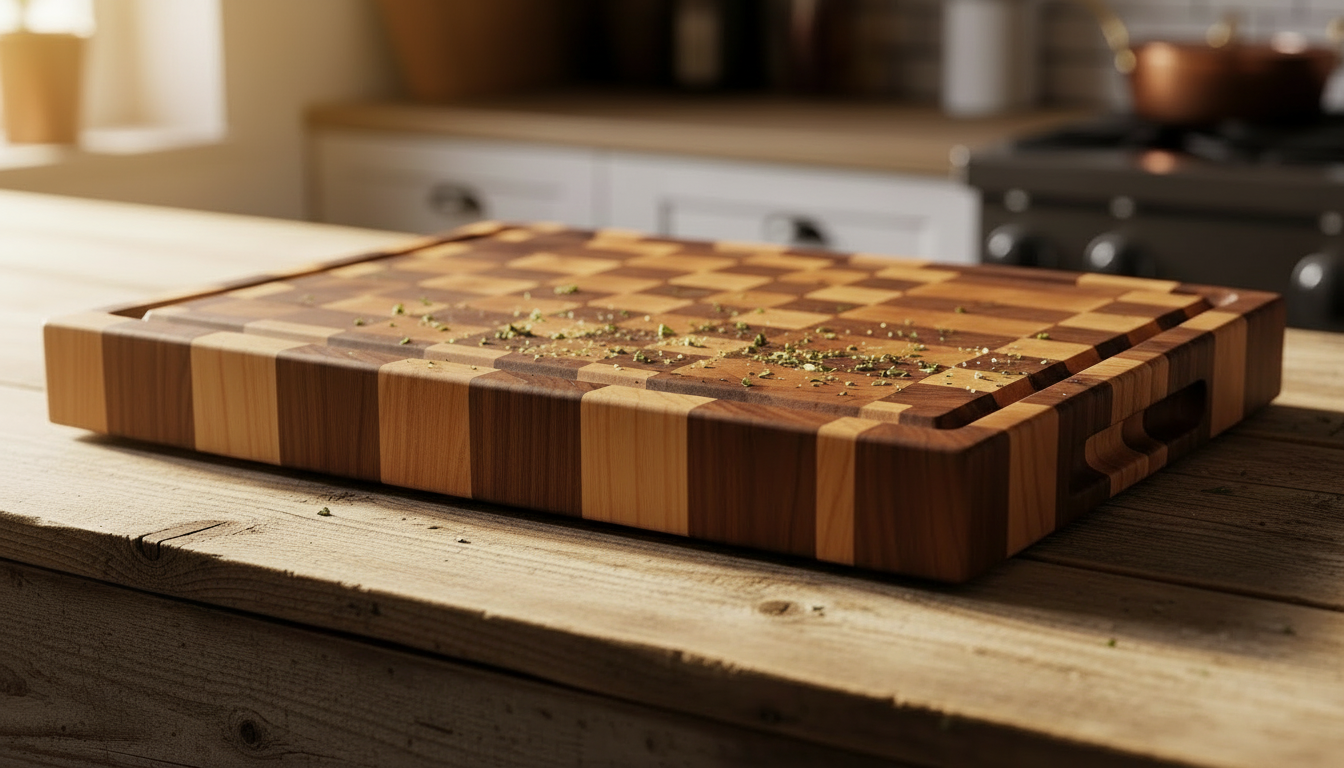
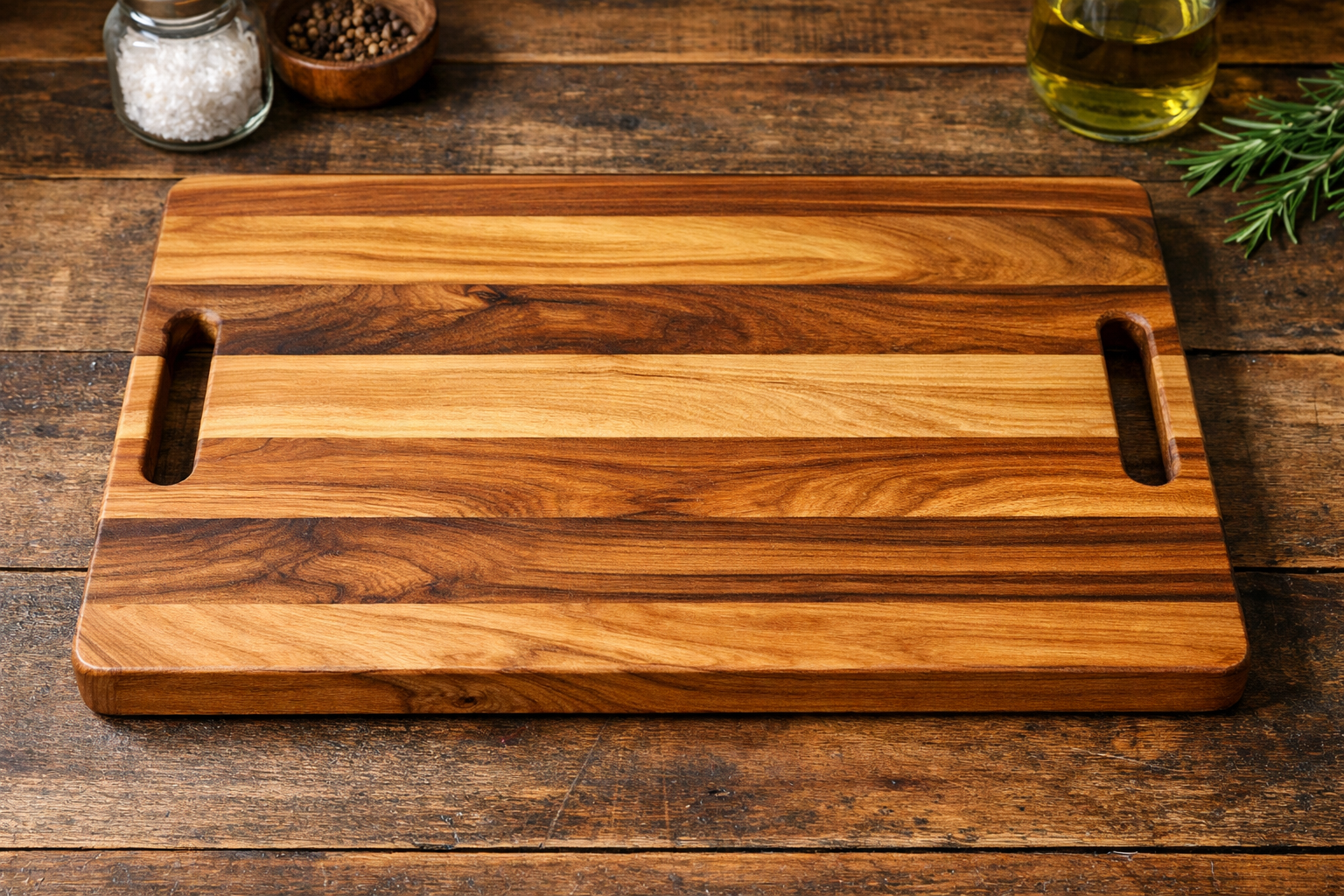
Walnut

Acacia

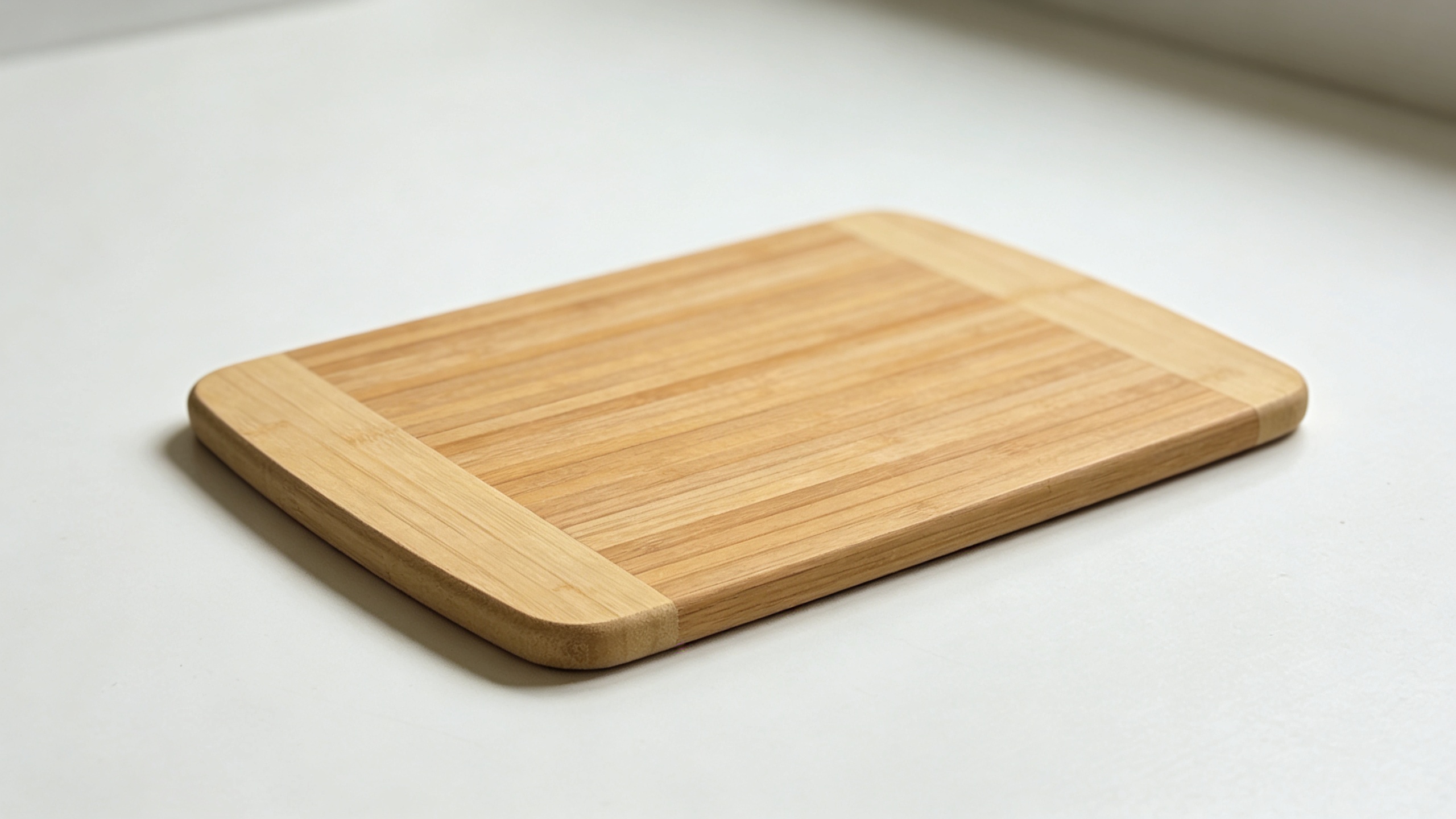
Bamboo

Quick Verdict

There’s no “best wood” for everyone — there’s the best wood for your cooking style.

If you do a lot of meat prep and want something forgiving on your edges, start with walnut. If you want low-fuss water resistance, teak is hard to beat.

Best all-around feel + knife-friendly: Walnut
Best value hardwood look & strength: Acacia
Best water resistance / low-warp long-term: Teak
Best lighter-duty / softer feel: Birch
Best budget durability / hard-use: Bambo

Knife-Friendliness:

  • Walnut (High)

  • Birch (High)

  • Teak (Good)

  • Acacia (Medium)

  • Bamboo (Medium–Low)

Water Resistance:

  • Teak (High)

  • Bamboo (Good)

  • Acacia (Medium-Good)

  • Walnut (Good)

  • Birch (Medium–Low)

Maintenance Ease:

  • Bamboo (High)

  • Teak (High)

  • Acacia (Medium)

  • Walnut (Medium)

  • Birch (Medium–Low)

Comparison Table — Cutting Board Woods at a Glance

This table highlights the key differences that actually matter in everyday kitchen use. Details and edge cases are covered below.


Feature Walnut Acacia Bamboo  Birch Teak
Knife-Friendly Feel High Medium Medium-Low High Good
Water Resistance Medium Medium-Good Good Medium-Low High
Maintenance Needed Medium Medium Low-Medium Medium-High Low
Hardness / Durability Medium High High Medium High
Warp Resistance Medium Medium Medium-Good Medium-Low High
OTRE Verdict Best All Around Tough Value Budget Durable Softer Feel Most Stable

How each option actually feels in real kitchen use
Walnut — “The Knife-Friendly Daily Driver”

Best for: everyday prep, chefs who care about edge retention

Why: forgiving feel, stable, classic choice

Acacia — “The Value Hardwood”

Best for: everyday prep, chefs who care about edge retention

Why: forgiving feel, stable, classic choice

Bamboo — “The Tough Budget Workhorse”

Best for: low-cost boards, hard wear, easy care

Why: durable, resists swelling better than many woods

Birch — “The Softer Prep Board”

Best for: lighter prep, those who want a gentle surface

Why: pleasant feel, but needs consistent drying/oiling

Teak — “The Water-Resistance King”

Best for: wet kitchens, people who want low warp risk

Why: naturally oily, stable, great long-term

Cutting Boards for Knife Longevity & Food Safety

What to use, What to Avoid, and Why it matters.

A cutting board isn’t just a surface — it’s part of your knife system.
The wrong board will dull blades fast, harbor bacteria, and make prep harder than it needs to be.

See all of our real-world → Cutting Board Reviews

OTRECO Chef Knife Zwilling 8 chef knife chef approved

Which One Should You Buy?

OTRECO Chef Knife Zwilling 8 chef knife chef approved

Choose Walnut if:

  • You want the best everyday prep feel

  • You care about your knife edge

  • You cook often and want a board you’ll keep using

Choose Acacia if:

  • You want a tough board at a good price
  • You don’t mind a slightly harder surface
  • You want a hardwood look without premium cost
Walnut vs Acacia vs Bamboo vs Birch vs Teak

Choose Bamboo if:

  • You want durable + budget-friendly

  • You prefer low-fuss care

  • You’re okay with a less “soft” knife feel

Choose Birch if:

  • You want a gentle surface and lighter use

  • You’re okay with more maintenance

  • You don’t leave boards wet

Walnut vs Acacia vs Bamboo vs Birch vs Teak

Choose Teak if:

  • Your kitchen is humid / you wash often

  • You want stability and water resistance

  • You want a premium long-term board

Recommended Picks (Road-Tested)

Walnut Picks

Best all-around feel + knife-friendly: Walnut

Acacia Picks

Best value hardwood look & strength: Acacia

Birch Picks

Best lighter-duty / softer feel / soft on knife: Birch

Bamboo Picks

Best budget durability / hard-use: Bamboo

Teak Picks

Best water resistance / low-warp long-term: Teak

FAQ: Walnut vs Acacia vs Bamboo vs Birch vs Teak

Is bamboo actually wood?

Bamboo is a grass, but it’s commonly used like wood for boards. It’s durable and often more water-stable, but the surface can feel harder on knife edges than walnut.

Which wood is easiest to maintain?

Teak and bamboo are usually the most forgiving because they handle moisture better. Walnut is easy too if you dry it and oil occasionally.

Which wood is best for knives?

For most cooks, walnut and birch feel the most forgiving. Teak is also good. Bamboo and acacia tend to feel harder.

What wood resists warping best?

Teak is the top choice for stability. Bamboo can also do well. Any wood board can warp if it stays wet or dries unevenly.

Do I need to oil every wood cutting board?

Oiling helps all wood boards last longer. Teak needs it less often; birch usually needs it more often.

Recommended Knife & Comparisons

We have the best instructors

Cutting tools should feel natural, not forced. The knives featured here are chosen because they perform under real conditions, stay comfortable during long prep sessions, and hold up to repeated use. If a blade doesn’t earn trust over time, it doesn’t stay in rotation.

Knives & Cutting Tools

Wood Cutting Boards

Knife Sharpening Guide