
Cutting Boards for Knife Longevity & Food Safety

What to Use, What to Avoid,
and Why it matters.

A cutting board isn’t just a surface — it’s part of your knife system.
The wrong board will dull blades fast, harbor bacteria, and make prep harder than it needs to be.

This guide breaks down which cutting boards protect your knives, how to care for them, and what to avoid — based on real use in home kitchens and road setups.

Why Cutting Boards Matter More Than You Think

We have the best instructors

Most knife damage doesn’t come from sharpening — it comes from what you cut on.

The right cutting board:

✔ Preserves knife edges longer

✔ Improves control and safety

✔ Reduces hand fatigue during prep

✔ Stays sanitary with proper care

A good board makes even a modest knife perform better.

Wooden Cutting Boards — Best Overall

Why they work:

✔ Fibers “self-heal” after cuts
✔ Softer on knife edges
✔ Naturally antimicrobial when maintained

Best woods:

Maple
Walnut
Cherry

OTRE Take:
If you care about your knives, a quality wooden board should be your daily driver.

Plastic Cutting Boards — Practical & Sanitary

Plastic boards have their place.

Pros:
Dishwasher safe
Lightweight
Affordable

Cons:
Cuts trap bacteria over time
Dulls knives faster than wood

OTRE Take:
Use plastic boards for raw proteins, then replace them regularly. They’re tools, not heirlooms.

Bamboo Boards — Hard on Knives

Bamboo boards are popular — but problematic.

Why to be cautious:

Extremely hard fibers
Often glued together with resins
Accelerates blade dulling

OTRE Take:
Bamboo looks good, but it’s rough on edges. Not our first choice for serious prep.

Glass, Marble & Stone — Avoid These4

These surfaces destroy knife edges.

OTRE Take:
These are serving boards, not cutting boards. Keep knives far away.

Extremely hard
No forgiveness
Chip or flatten blades quickly

How We Test Cutting Boards in our Kitchens and on the Road

We test cutting boards the same way we test knives — through real prep and repeat use.
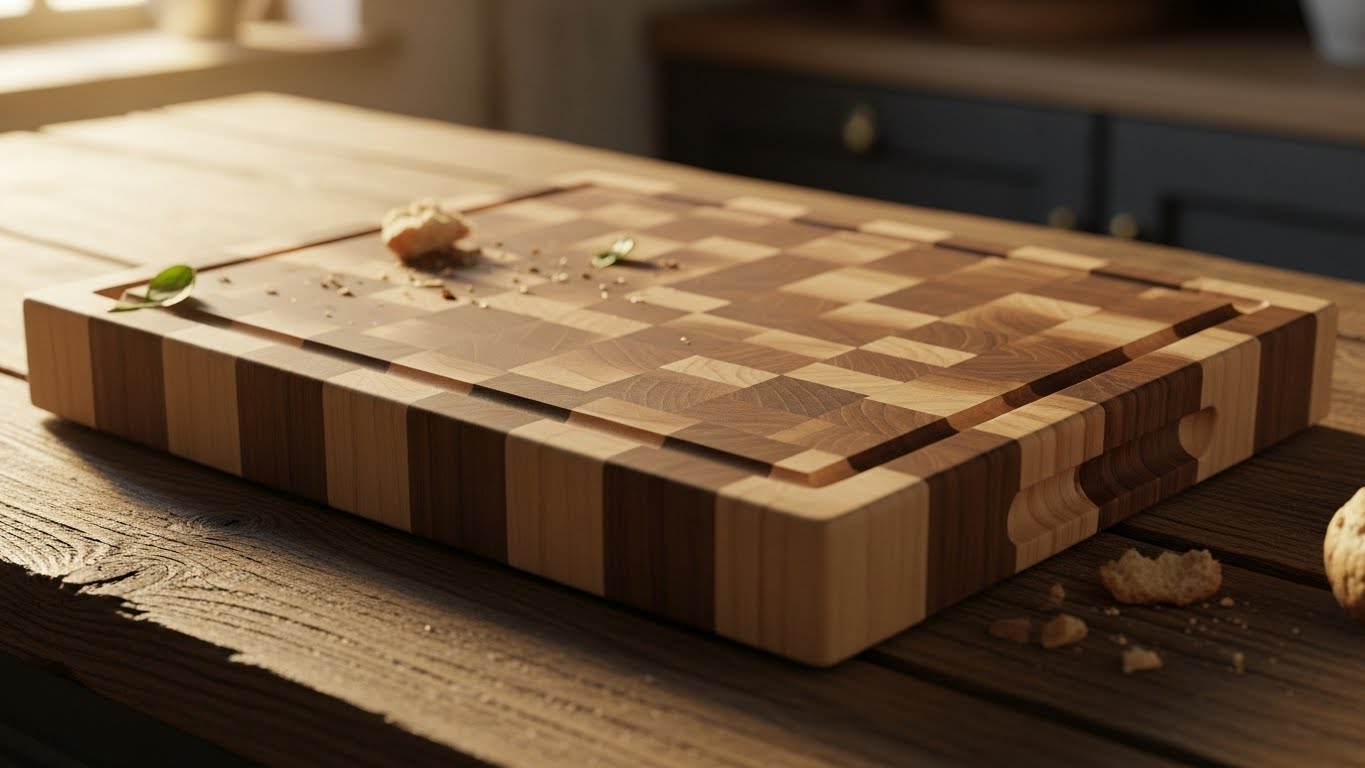
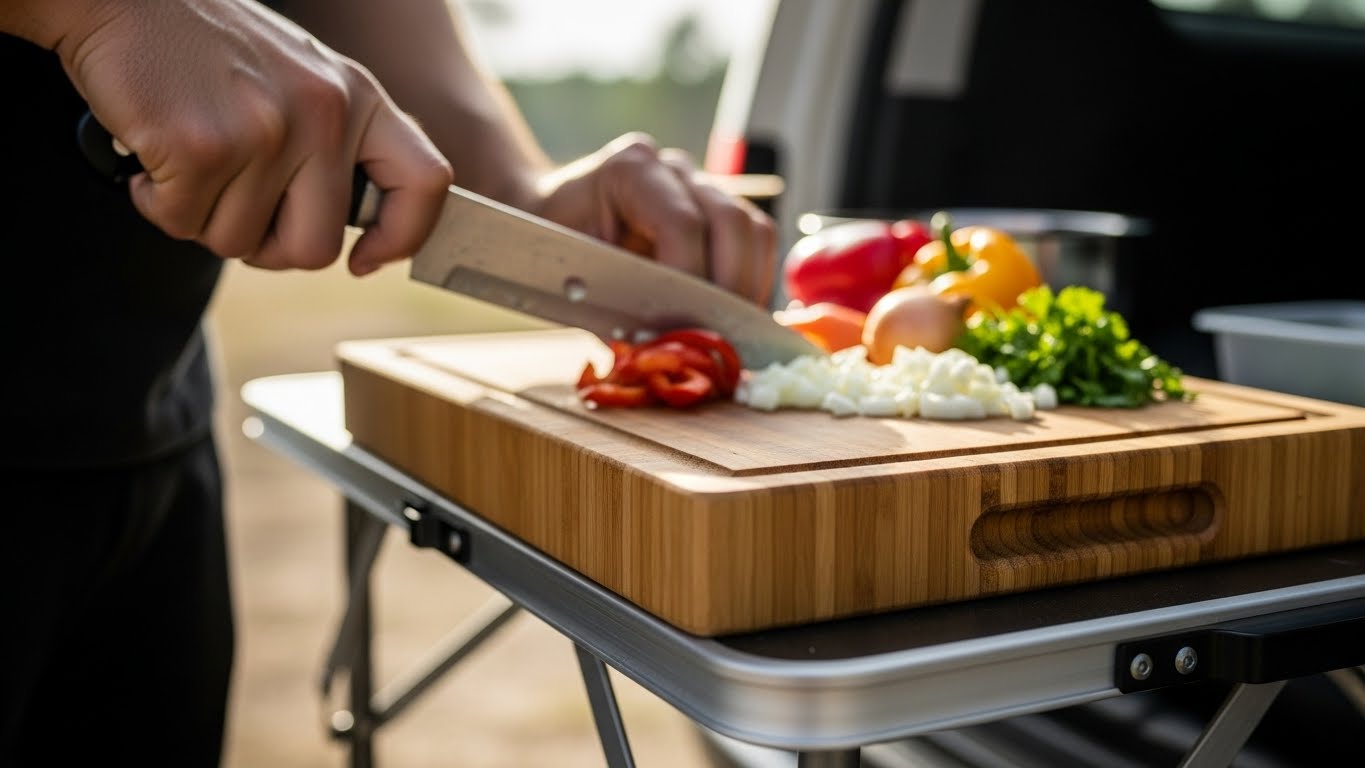
wooden cutting board used for chef knife prep

What We Look For

  • Knife edge retention over time

  • Stability on uneven surfaces

  • Ease of cleaning during travel

  • Resistance to warping and cracking

Cutting Boards for Knife Longevity & Food Safety wooden cutting board used for chef knife prep

Real-World Conditions

  • Long prep sessions

  • Limited sink access

  • Packing and transport

  • Mixed environments (home + road)

If a board can’t survive real cooking, it doesn’t stay in rotation.
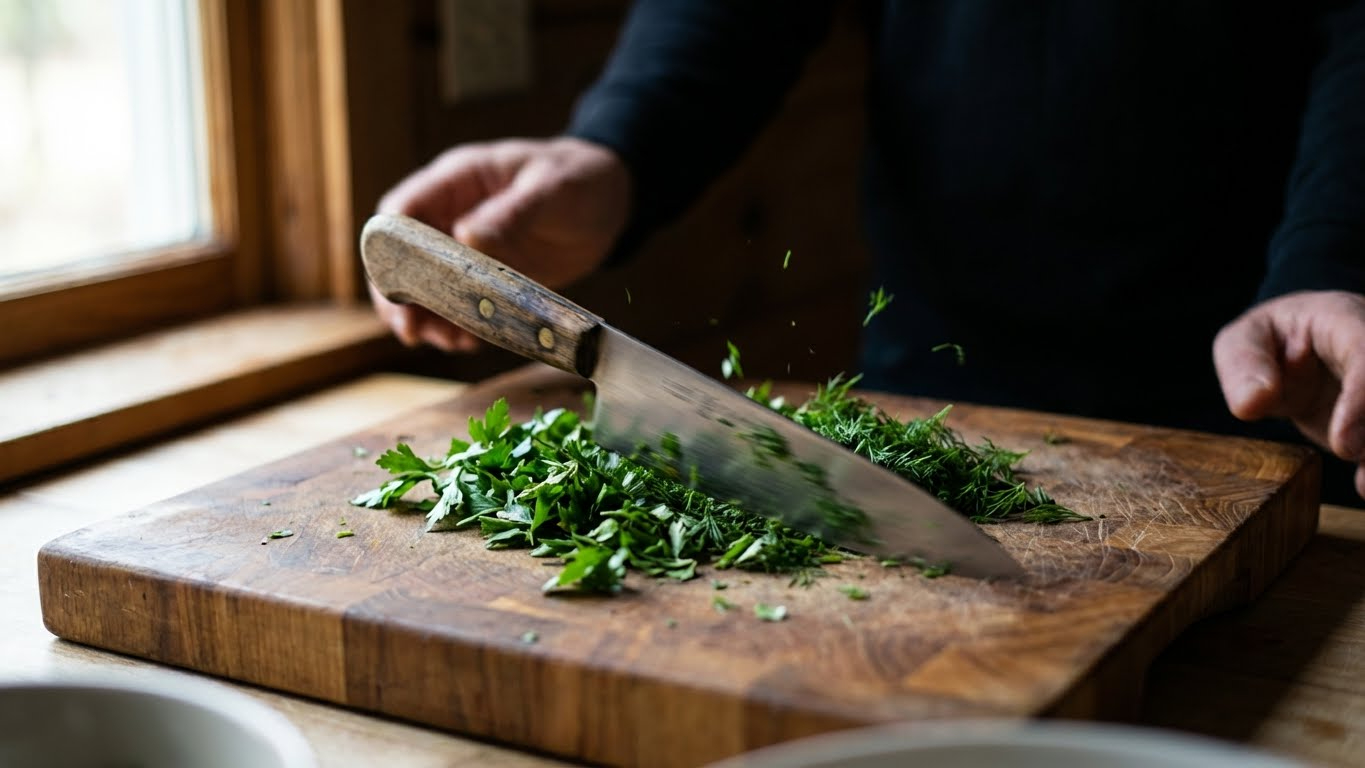
Best wooden cutting board used for daily kitchen prep

Board Thickness, Size & Stability

Thickness Matters

  • Thicker boards resist warping

  • Provide better stability

  • Absorb impact more effectively

Ideal thickness:

  • 1.25″ to 2″

Size Matters Too

Too small = unsafe /

Too large = impractical for travel

OTRE Recommendation:
Own one solid home board and one smaller travel-friendly board.
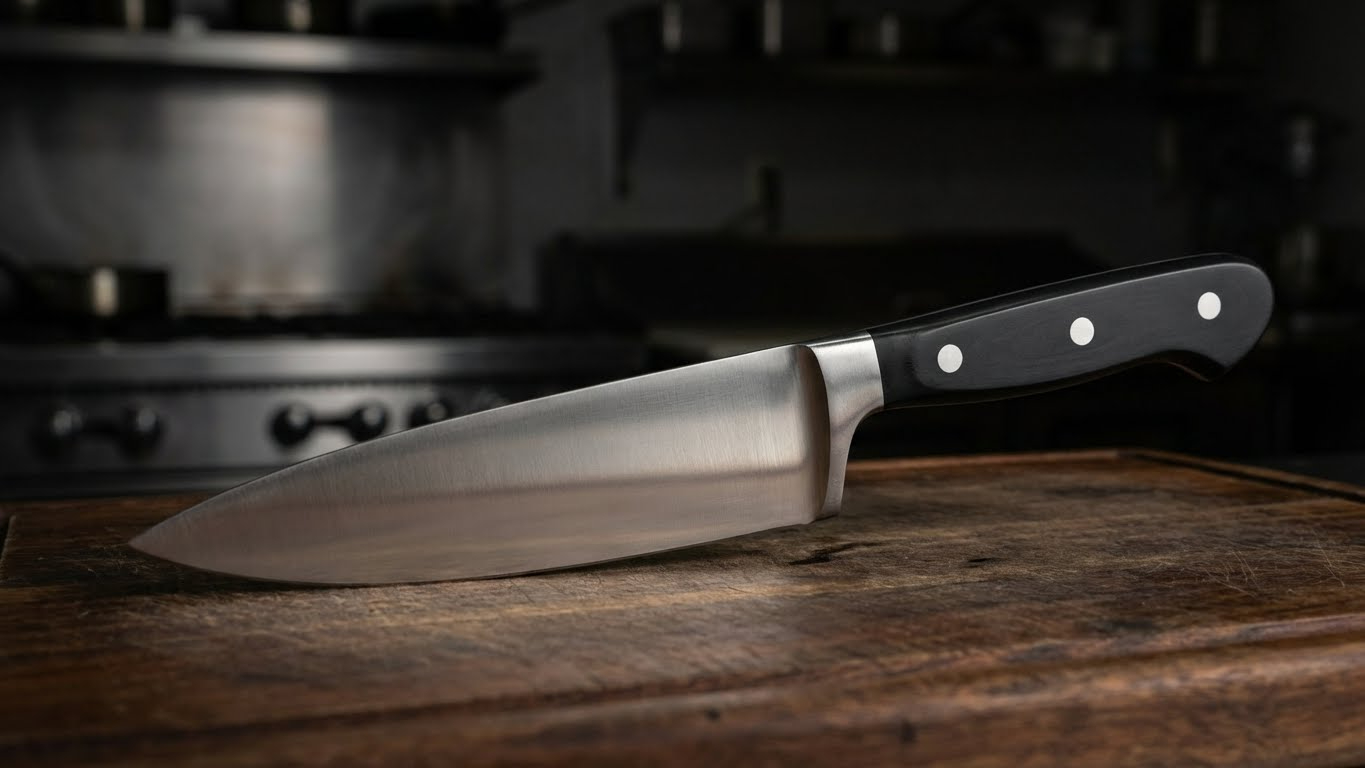
If a knife can’t hold an edge through repeated use, it doesn’t stay in rotation.

Cutting Board Maintenance & Care

Wooden Board Care

✔  Wash with mild soap and water

✔ Dry immediately

✔ Oil regularly with food-safe mineral oil

✔ Condition monthly if used often


wooden cutting board used for chef knife prep

How to Clean & Oil a Wooden Cutting Board (Step-by-Step)

Wood cutting boards require regular maintenance to prevent drying, cracking, and bacteria buildup. In this step-by-step guide, we demonstrate how to properly wash, sanitize, dry, and oil a wooden cutting board using food-grade mineral oil. This process restores moisture, protects the wood fibers, and extends the life of your board.

Whether you’re using end-grain, edge-grain, maple, walnut, or acacia boards, proper cleaning and oiling makes a noticeable difference in performance and durability.

We use Thirteen Chefs Food Grade Mineral Oil for conditioning and restoring the board surface.
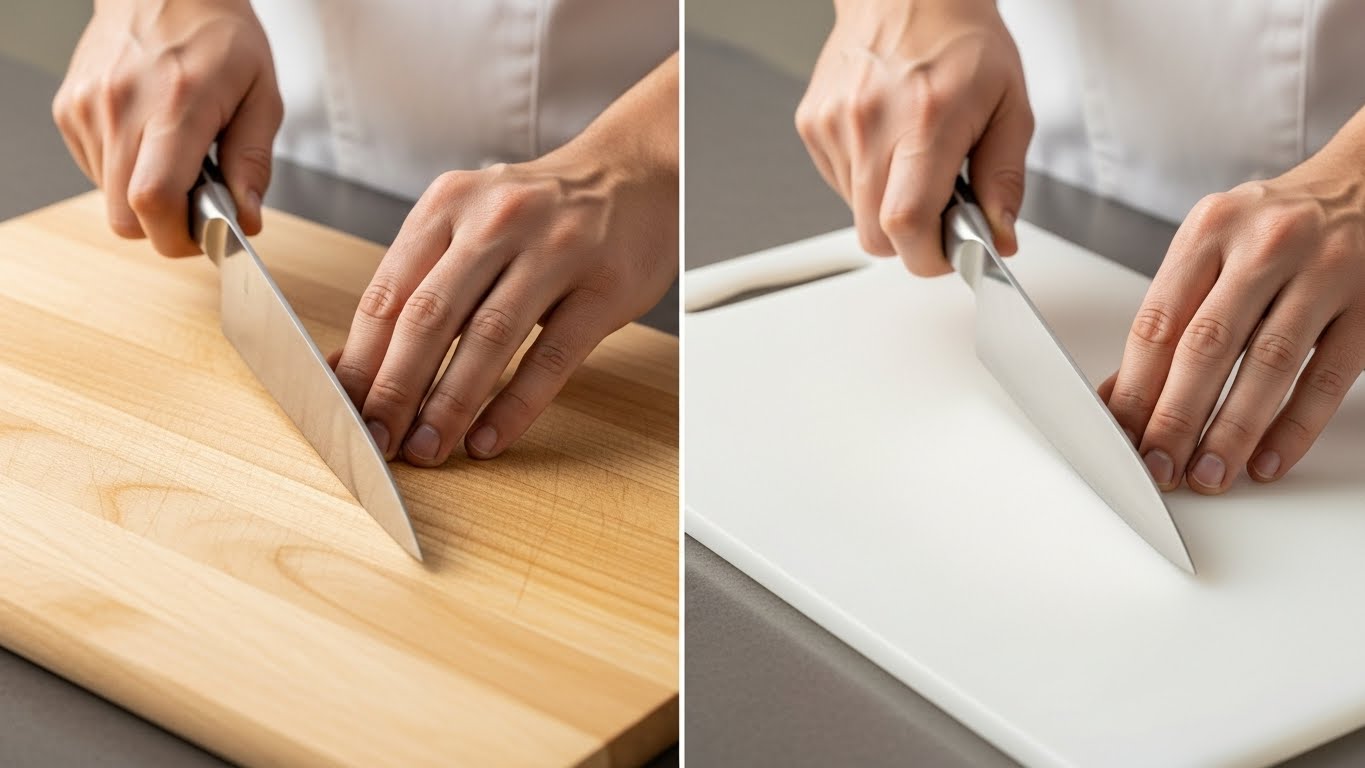
Cutting Boards for Knife Longevity & Food Safety wooden cutting board used for chef knife prep

Plastic Board Care

✔ Dishwasher safe (top rack)

✔ Replace when deeply scarred

✔ Avoid heat warping

Common Cutting Board Mistakes

✔ Using glass or stone surfaces

✔ Never oiling wood boards

✔ Letting boards soak in water

✔ Cutting raw meat and produce on the same board

✔ Using warped or unstable boards

Most board problems come from neglect, not quality.
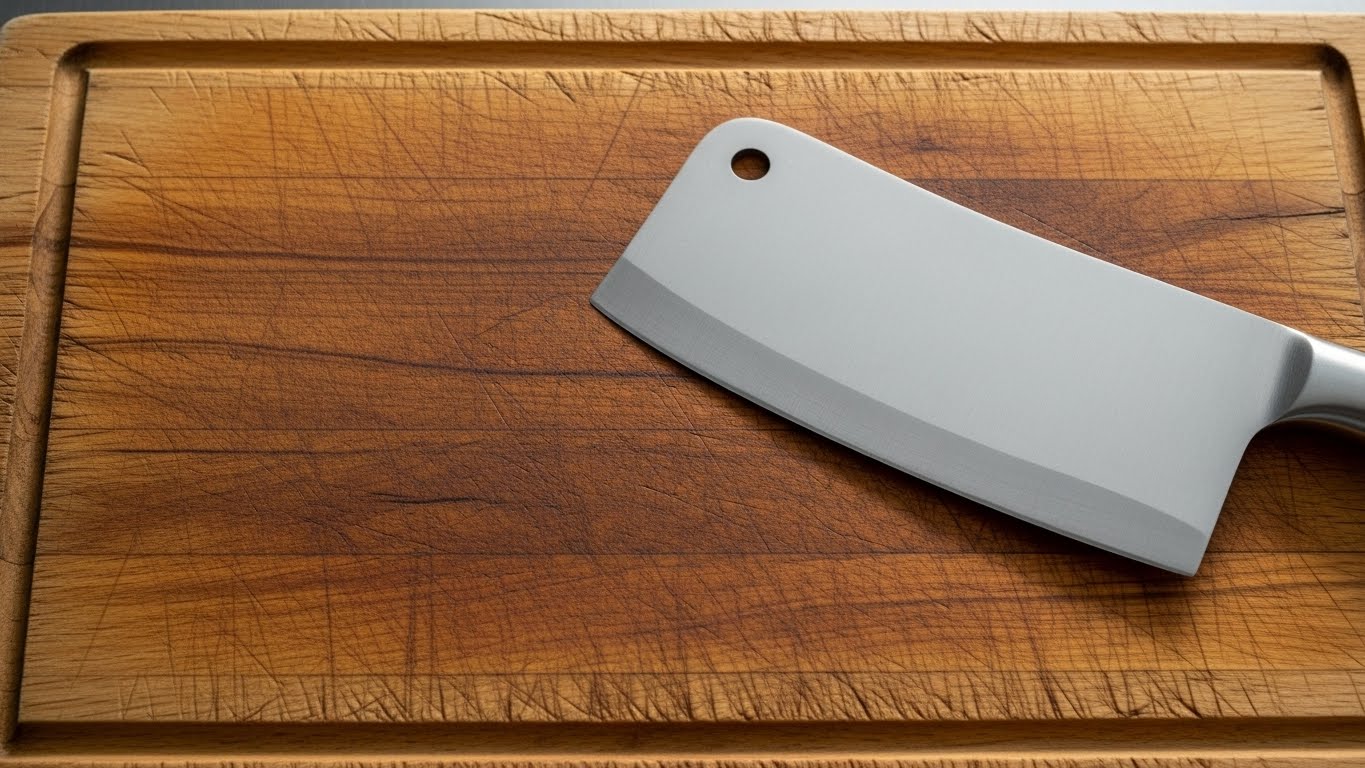
wooden cutting board used for chef knife prep
Mercer Millennia 8″ Chef Knife Review

How Cutting Boards Affect Knife Sharpening

A good board:

✔ Extends time between sharpening

✔ Keeps edges aligned longer

✔ Makes honing more effective

A bad board:

✔ Dulls knives quickly

✔ Increases sharpening frequency

✔ Shortens blade lifespan

👉 Need help with knife sharpeners?

Final Take

A cutting board is one of the most overlooked kitchen tools — and one of the most important.

Choose the right surface, care for it properly, and your knives will stay sharper longer, cut cleaner, and feel safer every time you prep.

Best Chef Knives for Real-World Cooking

Utility Knives We Trust on the Road

Chef Knife vs Utility Knife vs Chinese Cleaver

Cutting Boards That Protect Your Edged

Cutting Boards — FAQ

What type of cutting board is best for knives?

Wooden cutting boards are best for knife longevity. Quality hardwood boards like maple, walnut, or cherry are softer on blade edges and help knives stay sharp longer compared to plastic or bamboo.

Are plastic cutting boards bad for knives?

Plastic boards aren’t bad, but they dull knives faster than wood. They’re useful for raw proteins and easy sanitation, but they should be replaced once deeply scarred or warped.

Is bamboo good for cutting boards?

Bamboo boards are popular, but they’re harder on knife edges than most hardwood boards. The dense fibers and adhesives used in bamboo can accelerate dulling over time.

Why should I avoid glass or stone cutting boards?

Glass, marble, and stone boards are extremely hard and unforgiving. They quickly dull knives, can chip blades, and increase the risk of slipping during prep. These surfaces are better used for serving, not cutting.

How thick should a good cutting board be?

A good cutting board should be at least 1.25 inches thick. Thicker boards resist warping, stay stable on the counter, and absorb impact better during long prep sessions.

How often should I oil a wooden cutting board?

Oil wooden cutting boards every 3–4 weeks with food-safe mineral oil, or more often if the board looks dry. Regular oiling prevents cracking and extends the board’s life.

Can cutting boards affect how often I need to sharpen my knives?

Yes. Cutting on hard surfaces dulls knives faster, increasing how often sharpening is needed. Using a knife-friendly board extends edge life and reduces sharpening frequency.

Should I use different boards for meat and vegetables?

Yes. Many cooks use plastic boards for raw meat and wooden boards for produce and general prep. This improves food safety and makes cleanup easier.

What size cutting board should I use?

Choose the largest board that fits your workspace comfortably. Boards that are too small increase the risk of slipping and unsafe cuts. For travel or road kitchens, a compact but stable board works best.

How do I know when it’s time to replace a cutting board?

Replace boards when they:

  • Have deep grooves that won’t clean properly

  • Warp or rock on the counter

  • Crack or split
    Plastic boards should be replaced more often than wood.