

Why Your Cutting Board Matters
We have the best instructors
A cutting board is one of the most used surfaces in any kitchen, but it is also one of the most overlooked. The material you cut on affects how quickly knife edges wear, how easy the board is to clean, and whether it actually fits the way you cook every day.
The right cutting board:
✔ Preserves knife edges longer
✔ Improves control and safety
✔ Reduces hand fatigue during prep
✔ Stays sanitary with proper care
A good board makes even a modest knife perform better.
What actually matters most when choosing a cutting board?
Glass, Marble & Stone — Avoid These4
These surfaces destroy knife edges.
OTRE Take:
These are serving boards, not cutting boards. Keep knives far away.
Extremely hard
No forgiveness
Chip or flatten blades quickly
How We Evaluate Cutting Boards in Real Kitchens
We judge boards by how they perform in actual prep, not by showroom looks. That means repeated knife use, cleanup, transport, storage, and the kind of daily wear that exposes weak materials fast.
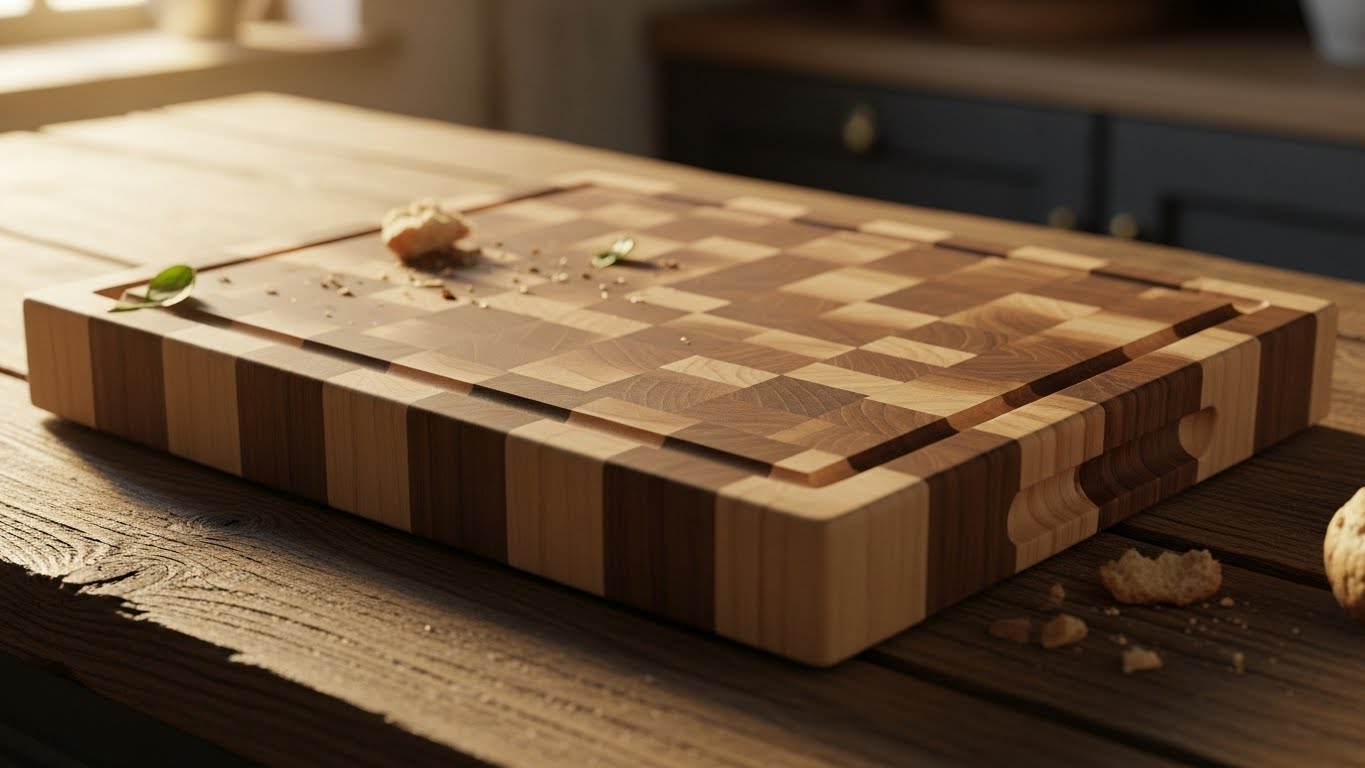
What We Look For
- Knife friendliness during repeated slicing and chopping
- Surface stability on counters and prep tables
- Resistance to warping, cracking, and splitting
- Ease of cleaning, drying, and regular maintenance
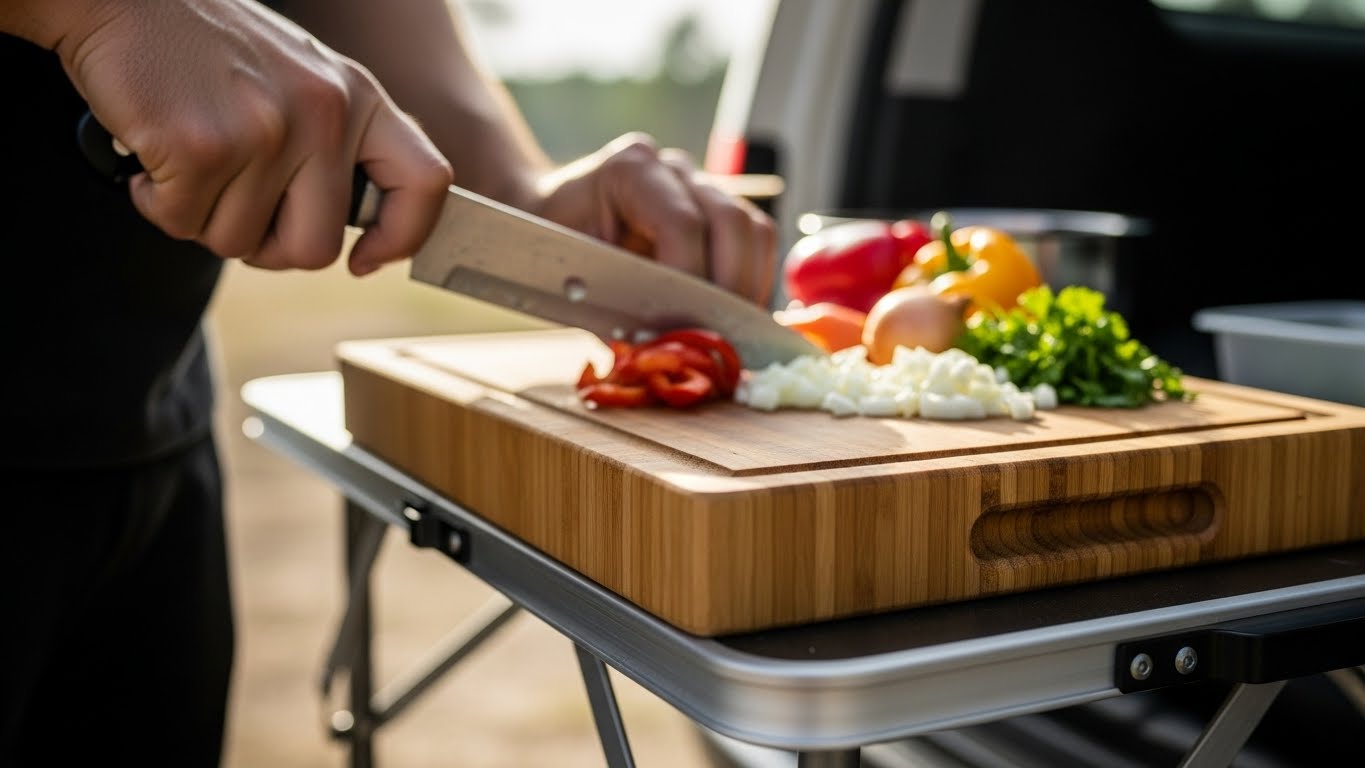
Real-World Conditions
- Daily prep in working kitchens
- Travel and temporary kitchen use
- Repeated storage, transport, and cleanup
- Performance under heavy chopping and repeated use
If a board can’t survive real cooking, it doesn’t stay in rotation.
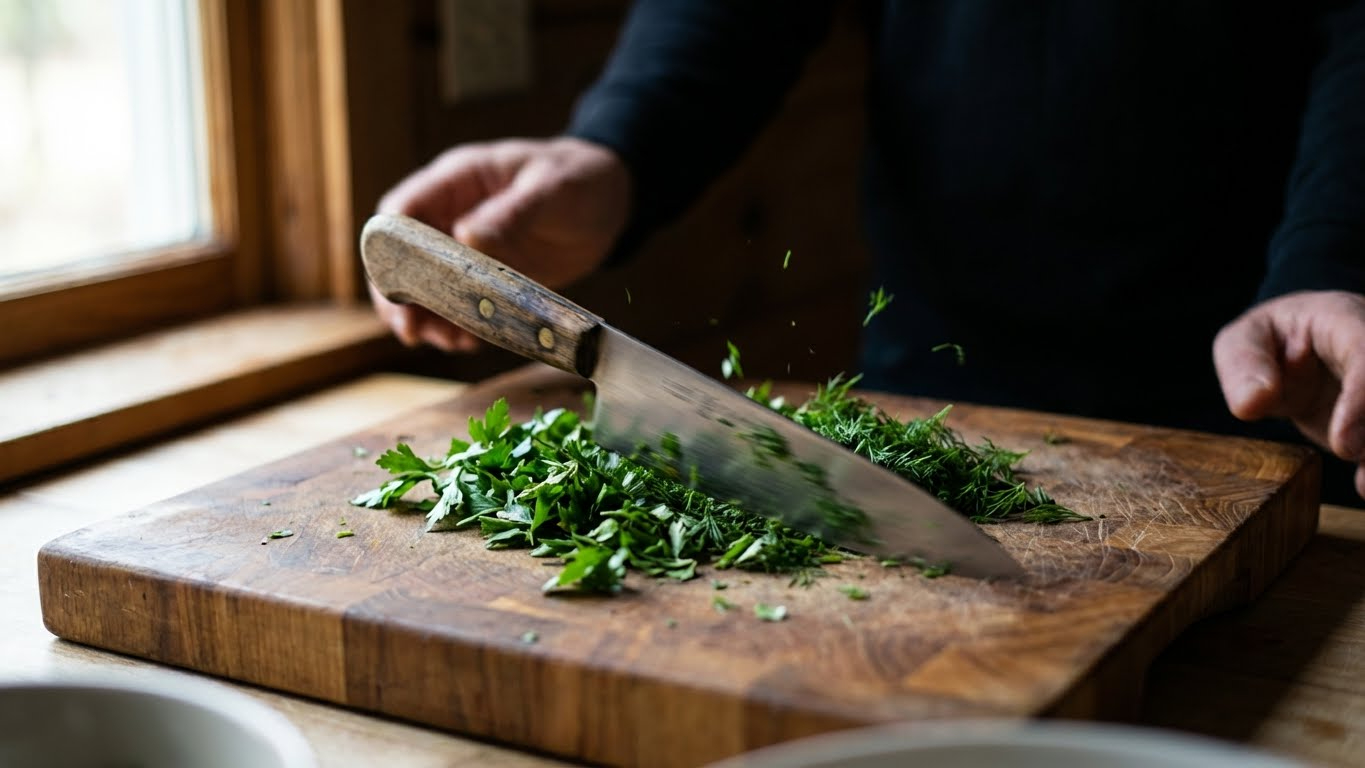
Size, Weight, and Stability
Thickness Matters
- Boards should stay planted during prep
- Thickness affects feel and durability
- Oversized boards help with volume prep but require more space
- Smaller boards work better for quick meals and cleanup
Ideal thickness:
-
1.25″ to 2″
Size Matters Too
Too small = unsafe /
Too large = impractical for travel
OTRE Recommendation:
Own one solid home board and one smaller travel-friendly board.
Cutting Board Care and Maintenance
A cutting board lasts longer and performs better when it is cleaned, dried, and maintained properly. Wood and plastic boards need different care routines, but both benefit from consistent cleaning and attention to wear.
Wooden Board Care
Wood boards need regular cleaning, complete drying, and occasional oiling to prevent drying, cracking, and surface wear.
✔ Wash with warm water and mild soap
✔ Dry immediately after cleaning
✔ Condition regularly with food-safe mineral oil
✔ Never soak or run through the dishwasher
How to Clean & Oil a Wooden Cutting Board (Step-by-Step)
Wood cutting boards require regular maintenance to prevent drying, cracking, and bacteria buildup. In this step-by-step guide, we demonstrate how to properly wash, sanitize, dry, and oil a wooden cutting board using food-grade mineral oil. This process restores moisture, protects the wood fibers, and extends the life of your board.
Whether you’re using end-grain, edge-grain, maple, walnut, or acacia boards, proper cleaning and oiling makes a noticeable difference in performance and durability.
We use Thirteen Chefs Food Grade Mineral Oil for conditioning and restoring the board surface.
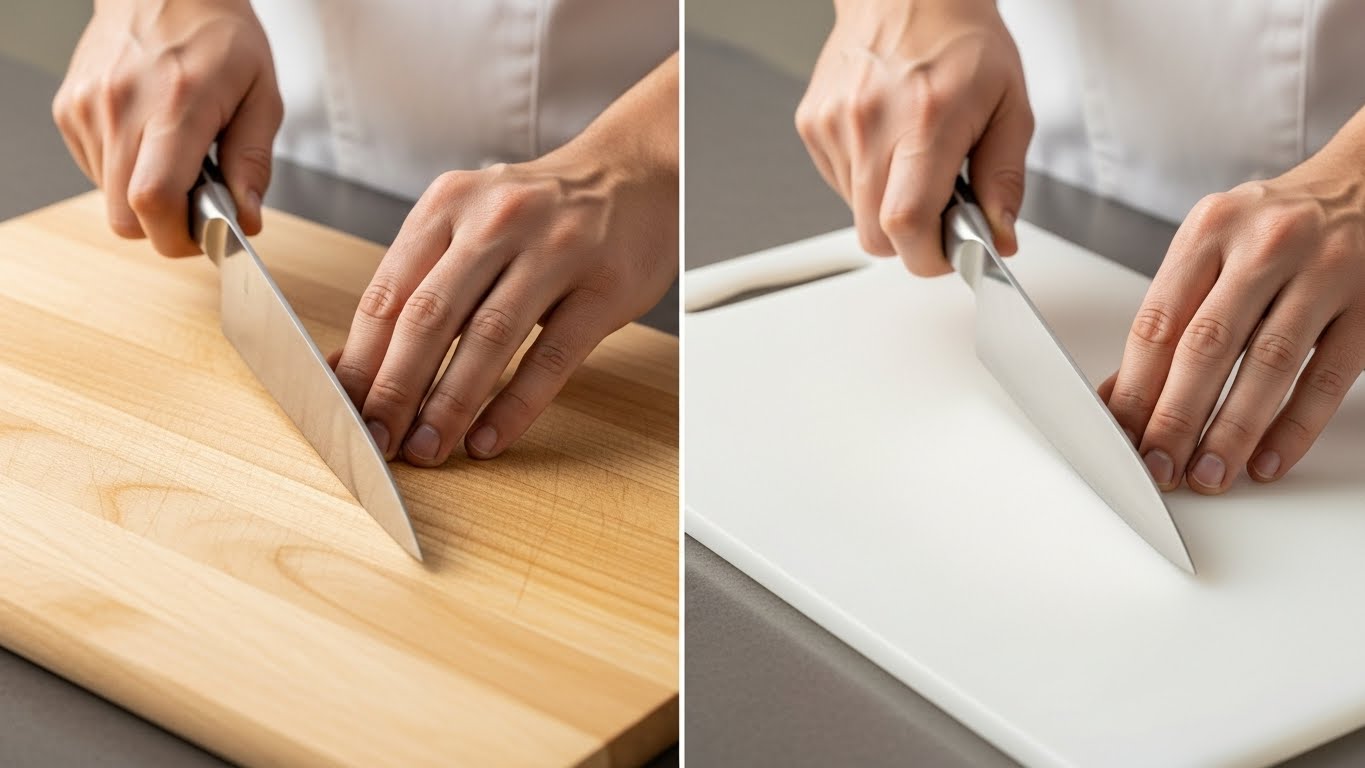
Plastic Board Care
Plastic boards are easier to sanitize, but they still need regular inspection because deep grooves can trap food residue and make cleaning harder over time.
✔ Wash thoroughly after every use
✔ Replace boards with deep scoring
✔ Sanitize when needed
✔ Avoid storing them wet
Common Cutting Board Mistakes
✔ Leaving boards wet after washing
✔ Using one board for everything without cleaning between tasks
✔ Ignoring deep grooves or cracking
✔ Skipping oiling on wood boards
✔ Storing boards where moisture gets trapped
Most board problems come from neglect, not quality.
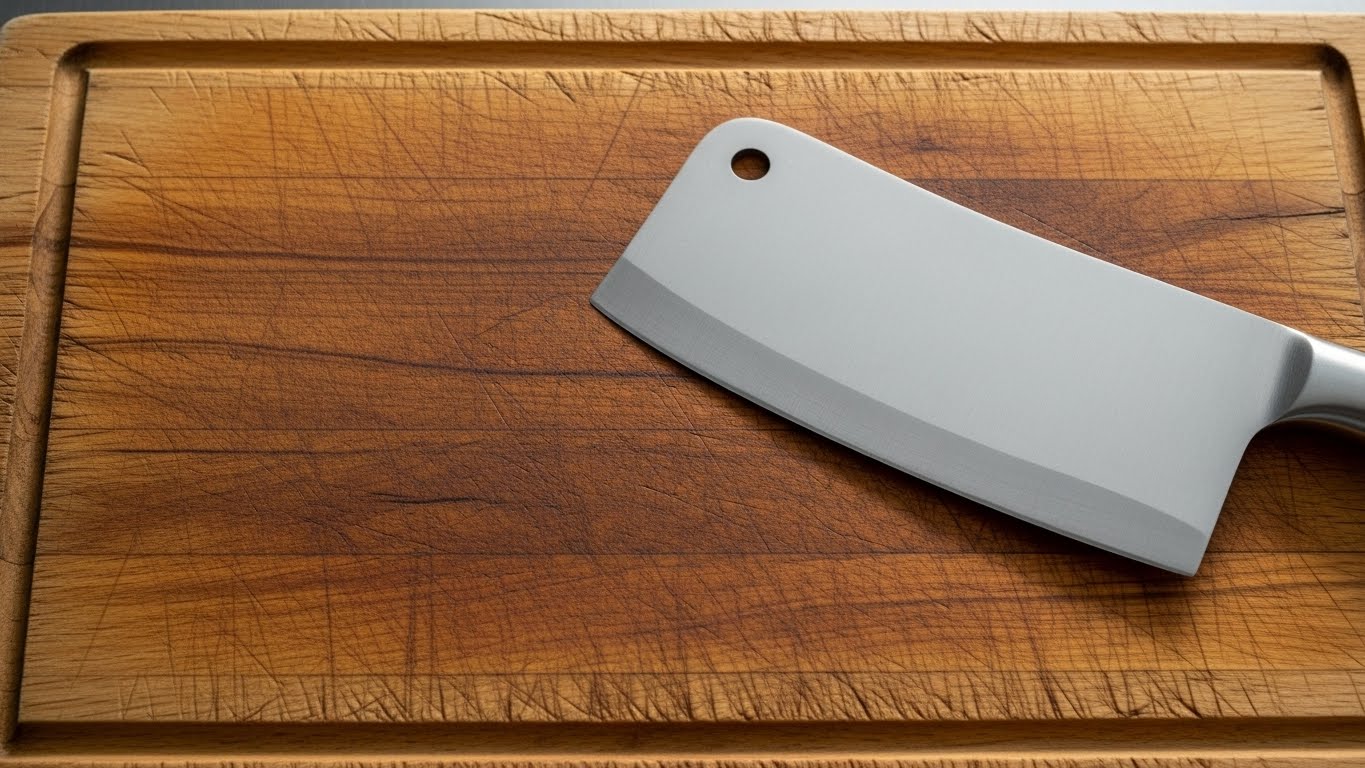
“How Cutting Boards Affect Knife Sharpening”
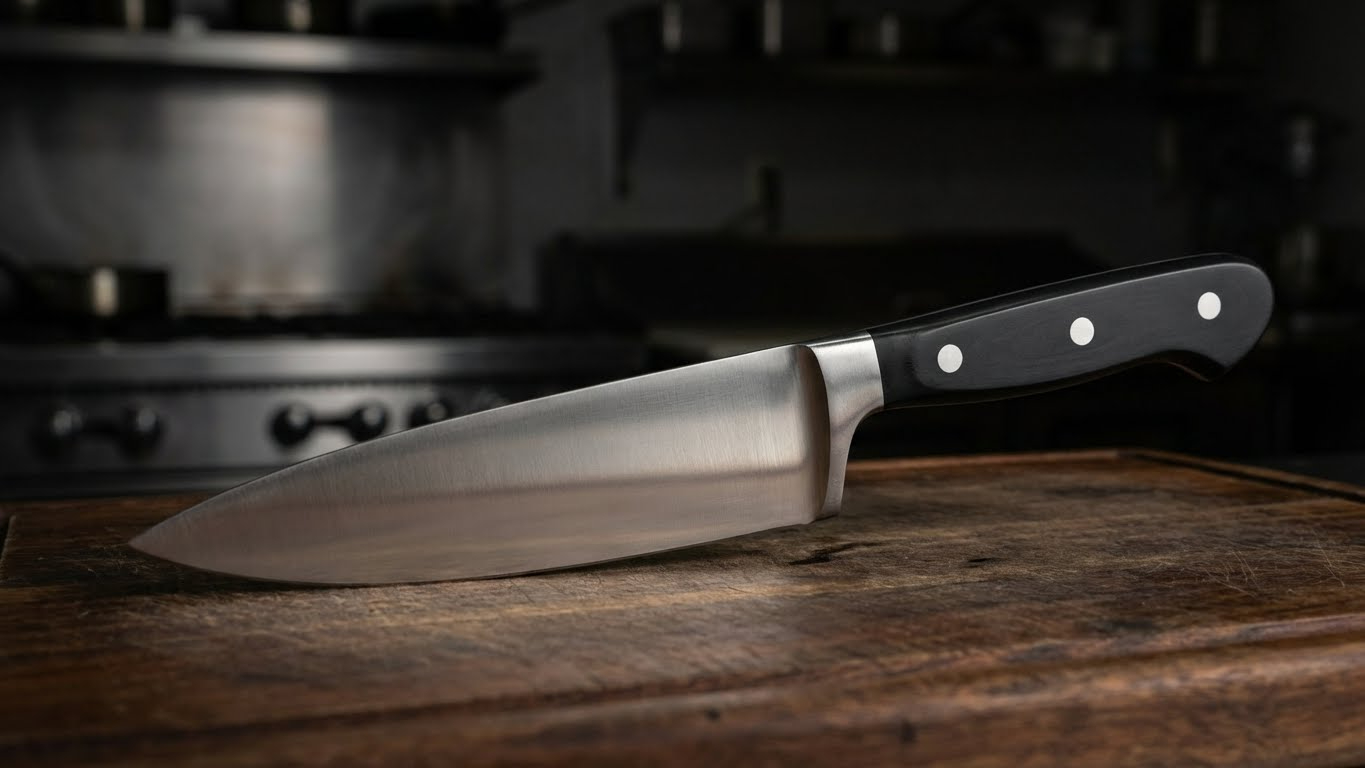
Even the best knife edge wears faster on the wrong surface. Hard, brittle, or heavily damaged boards can accelerate dulling and make knives feel rough sooner. A knife-friendly board helps preserve an edge longer, which means less frequent sharpening and better cutting performance between touch-ups.
A good board:
✔ Extends time between sharpening
✔ Keeps edges aligned longer
✔ Makes honing more effective
A bad board:
✔ Dulls knives quickly
✔ Increases sharpening frequency
✔ Shortens blade lifespan
Bottom Line
A cutting board plays a bigger role in your kitchen than most people realize. The right board helps protect knife edges, improves prep stability, and makes cleanup easier, while the wrong surface can speed up wear and create avoidable frustration. Choose a board that matches the way you cook, care for it properly, and it will serve you better for years.