

WHY MAPLE CUTTING BOARDS ARE POPULAR
We have the best instructors
Why Maple Is the Classic Kitchen Board
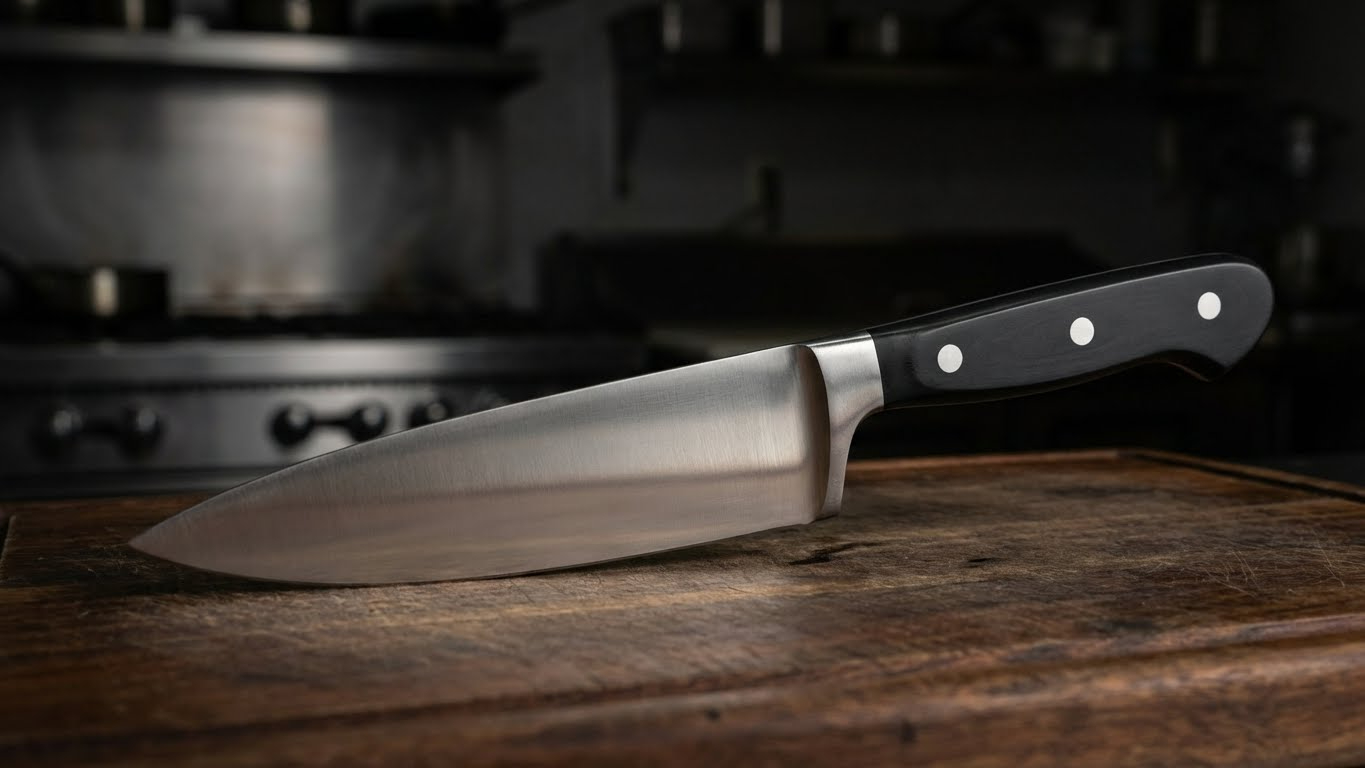
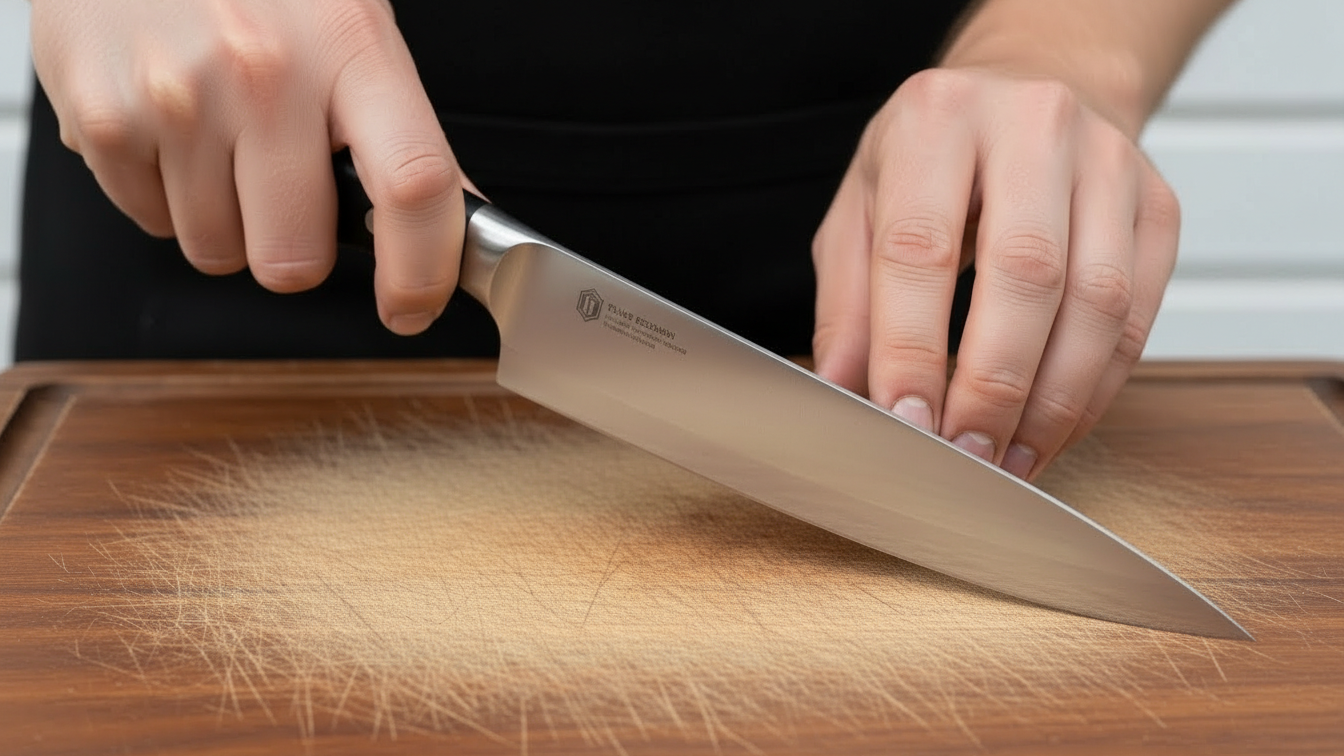
Hard maple has been used in butcher blocks and cutting boards for generations. It’s dense enough to resist heavy chopping but still forgiving enough to protect knife edges.
For many cooks, maple ends up being the board that stays on the counter every day.
Key benefits
✔ Durable hardwood
✔ Gentle on knife edges
✔ Stable during chopping
✔ Long lifespan with proper care
Glass, Marble & Stone — Avoid These4
These surfaces destroy knife edges.
OTRE Take:
These are serving boards, not cutting boards. Keep knives far away.
Extremely hard
No forgiveness
Chip or flatten blades quickly
HOW WE EVALUATE MAPLE BOARDS AT OTRE
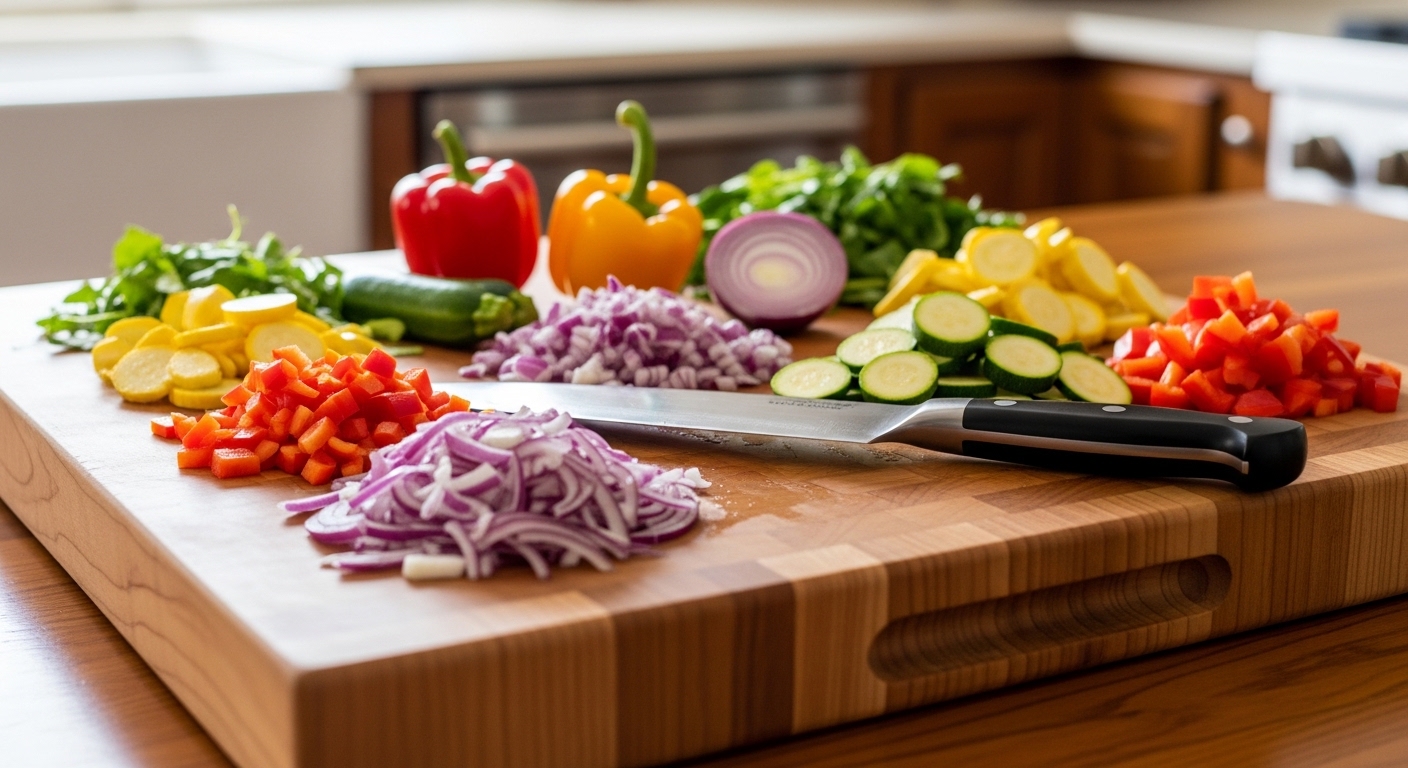
At OTRE we focus on how cutting boards perform during real prep work. A board might look impressive on a countertop, but what matters is how it handles repeated chopping, cleaning, and daily use.
What We Look For
✔ Knife feel during slicing
✔ Board stability on the counter
✔ Surface durability over time
✔ Ease of cleaning and maintenance
MAPLE VS OTHER WOODS
How Maple Compares to Other Cutting Board Woods
Maple isn’t the only wood used for cutting boards, but it’s one of the most balanced.
Comparison highlights
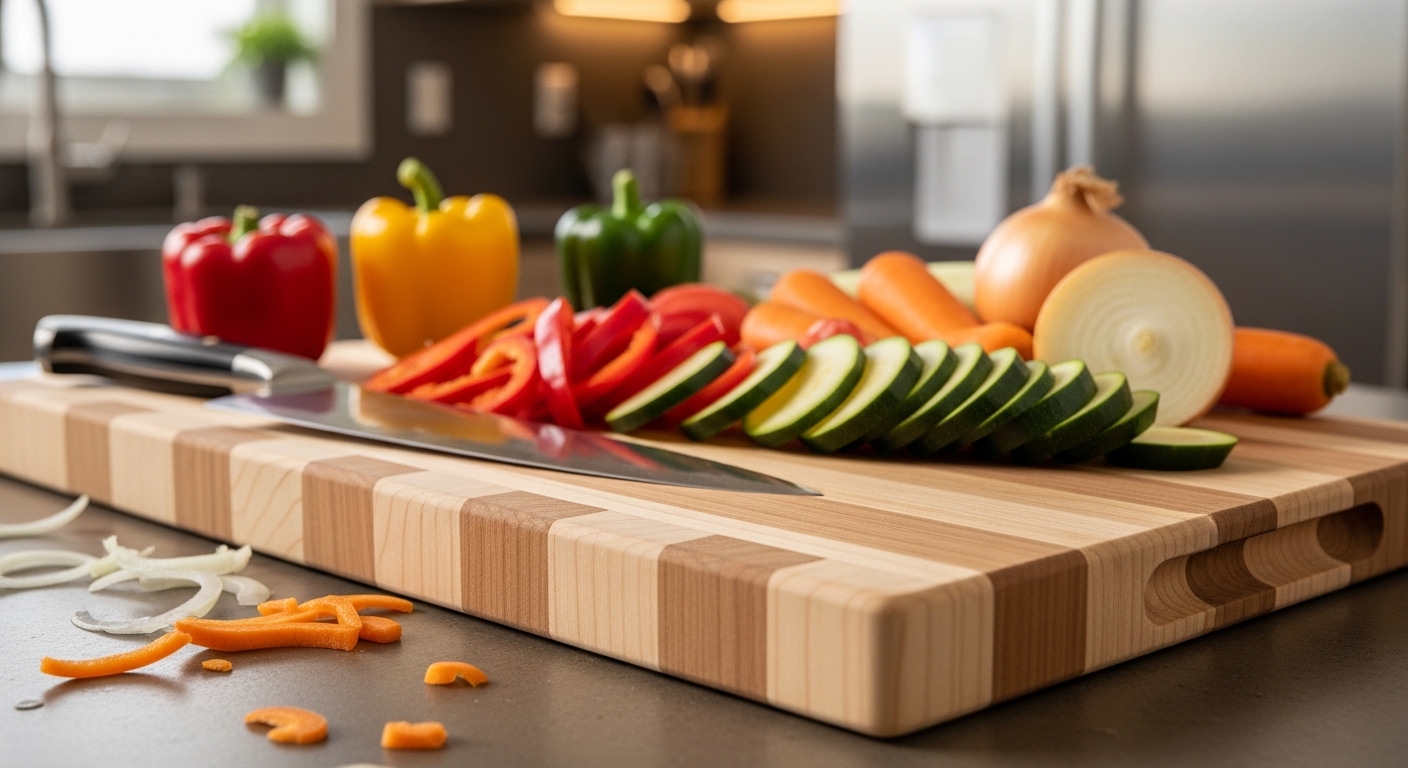
Maple
✔ Durable
✔ Good knife protection
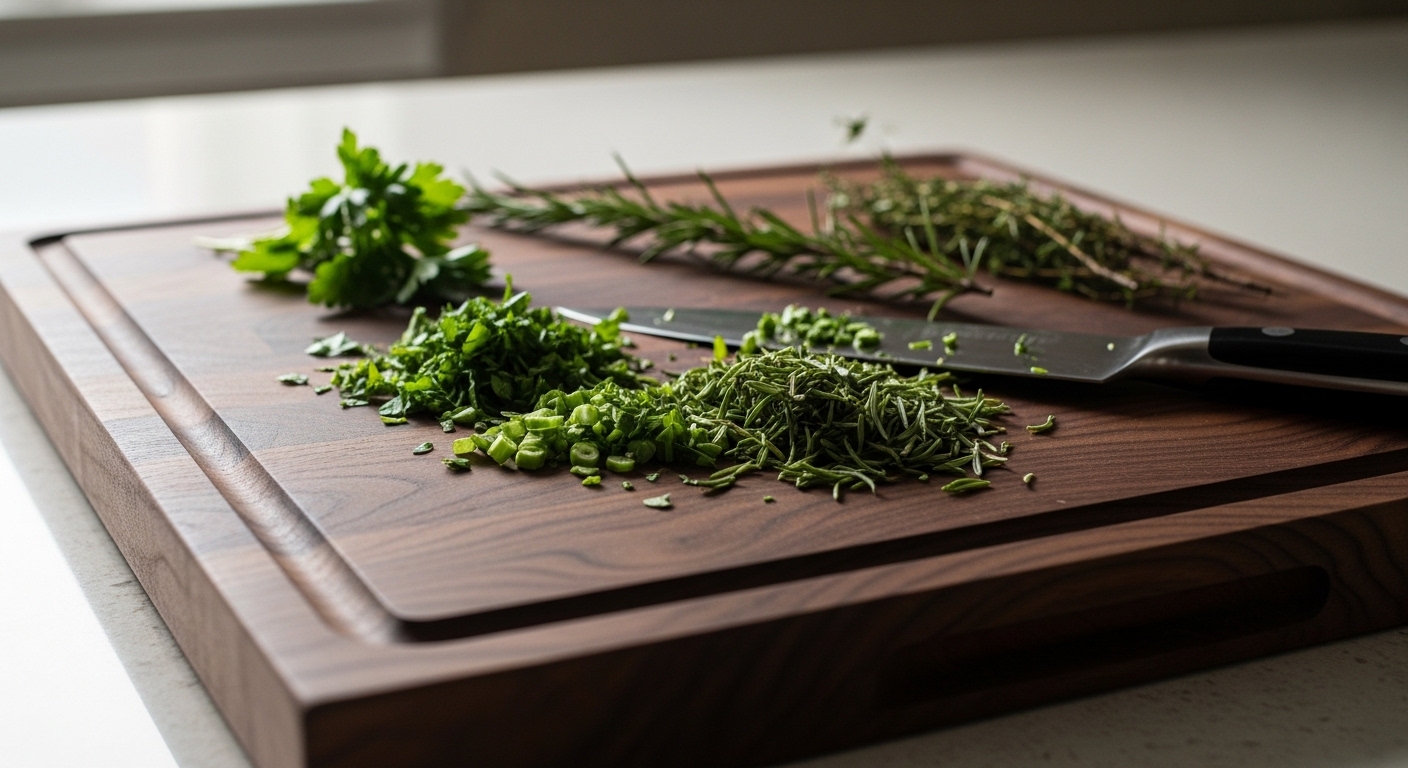
Walnut
✔ Softer feel
✔ Darker appearance
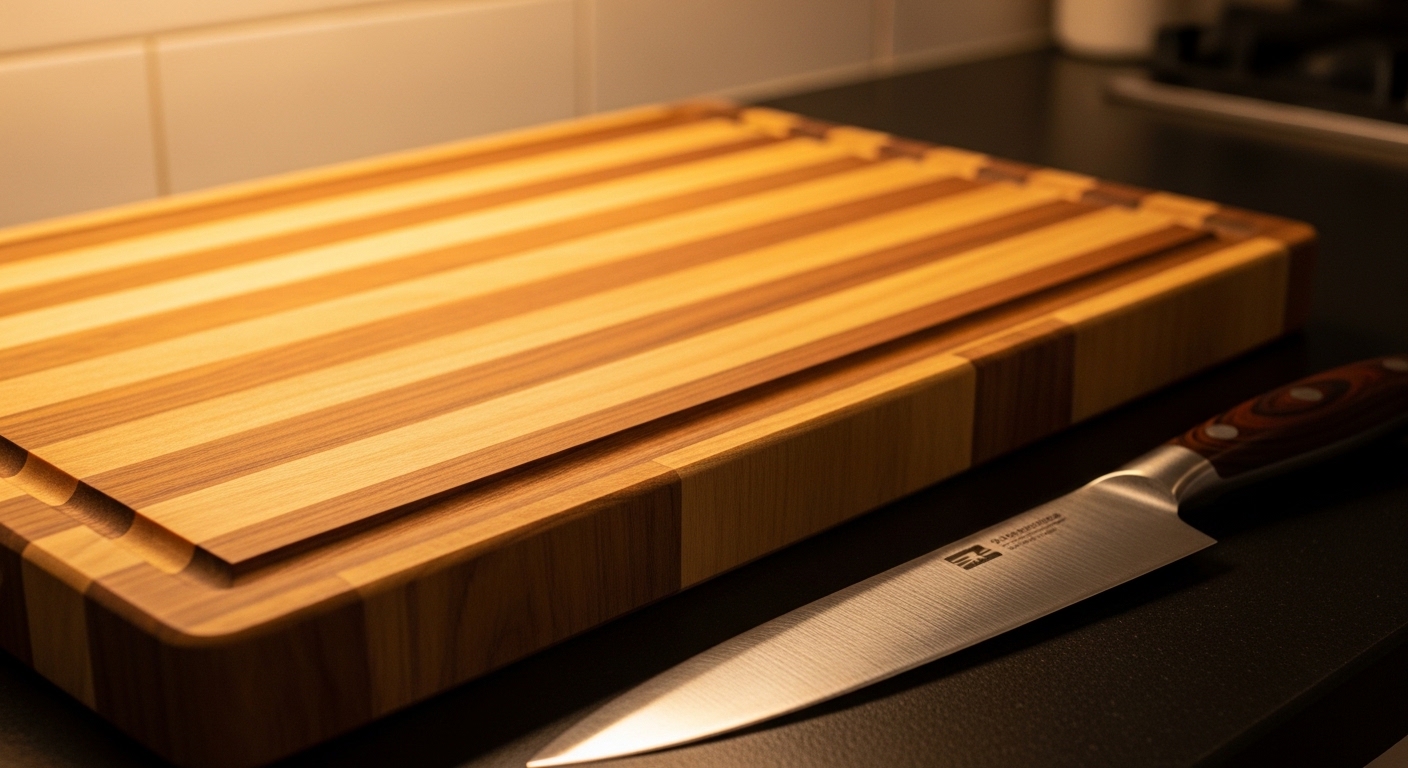
Teak
✔ Moisture resistant
✔ Slightly harder surface
Size Matters Too
Too small = unsafe /
Too large = impractical for travel
OTRE Recommendation:
Own one solid home board and one smaller travel-friendly board.
MAINTAINING A MAPLE CUTTING BOARD
Maple boards last longest when maintained properly.
Basic care
✔ Wash with warm water and mild soap
✔ Dry immediately
✔ Oil regularly with food-safe mineral oil
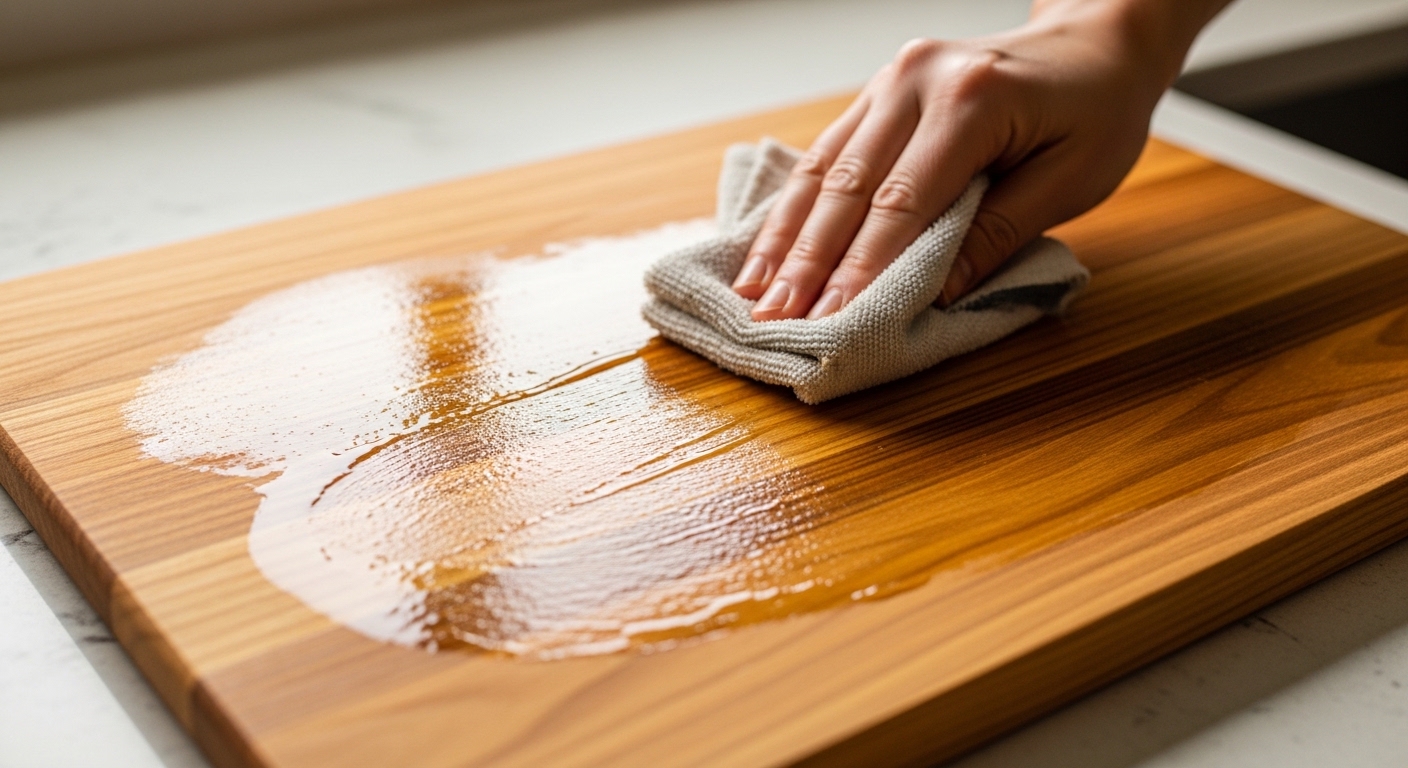
How to Clean & Oil a Wooden Cutting Board (Step-by-Step)
Wood cutting boards require regular maintenance to prevent drying, cracking, and bacteria buildup. In this step-by-step guide, we demonstrate how to properly wash, sanitize, dry, and oil a wooden cutting board using food-grade mineral oil. This process restores moisture, protects the wood fibers, and extends the life of your board.
Whether you’re using end-grain, edge-grain, maple, walnut, or acacia boards, proper cleaning and oiling makes a noticeable difference in performance and durability.
We use Thirteen Chefs Food Grade Mineral Oil for conditioning and restoring the board surface.
Bottom Line
For most home kitchens, maple remains the best wood for cutting boards because it balances durability, knife friendliness, and long-term stability. Walnut is a great choice for cooks who want a premium look, while teak offers excellent durability and moisture resistance.
If you’re choosing a full board rather than just the wood type, see our guide to the best cutting boards for home chefs.