

WHY END GRAIN BOARDS MATTER
We have the best instructors
End grain boards are built so the wood fibers face upward. Instead of meeting a hard flat grain surface, the knife edge lands on fibers that can absorb some of the impact.
That doesn’t make them magic, but it does change the feel during prep. In real kitchens, end grain boards tend to feel quieter, softer under the knife, and more stable during long sessions.
✔ Better knife feel during chopping
✔ Thicker, heavier, more stable boards
✔ Often last a long time with proper care
Why End Grain Cutting Boards Stand Out
Glass, Marble & Stone — Avoid These4
These surfaces destroy knife edges.
OTRE Take:
These are serving boards, not cutting boards. Keep knives far away.
Extremely hard
No forgiveness
Chip or flatten blades quickly
How We Evaluate End Grain Boards at OTRE
At OTRE, end grain boards earn their place through real prep work. We care less about showroom appeal and more about how a board feels after repeated chopping, washing, drying, and daily kitchen use.
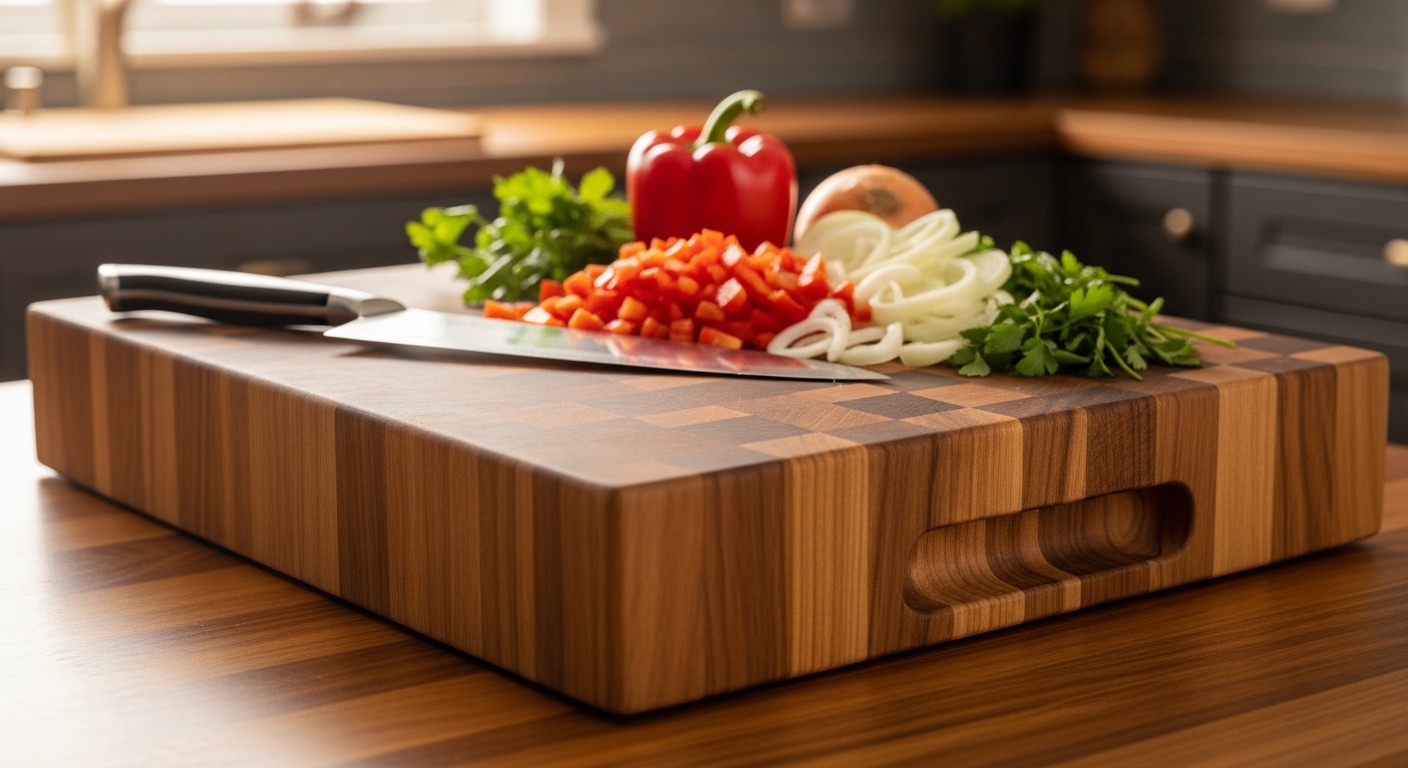
What We Look For
✔ Knife feel during chopping
✔ Stability on the counter
✔ Surface wear over time
✔ Ease of cleaning and maintenance
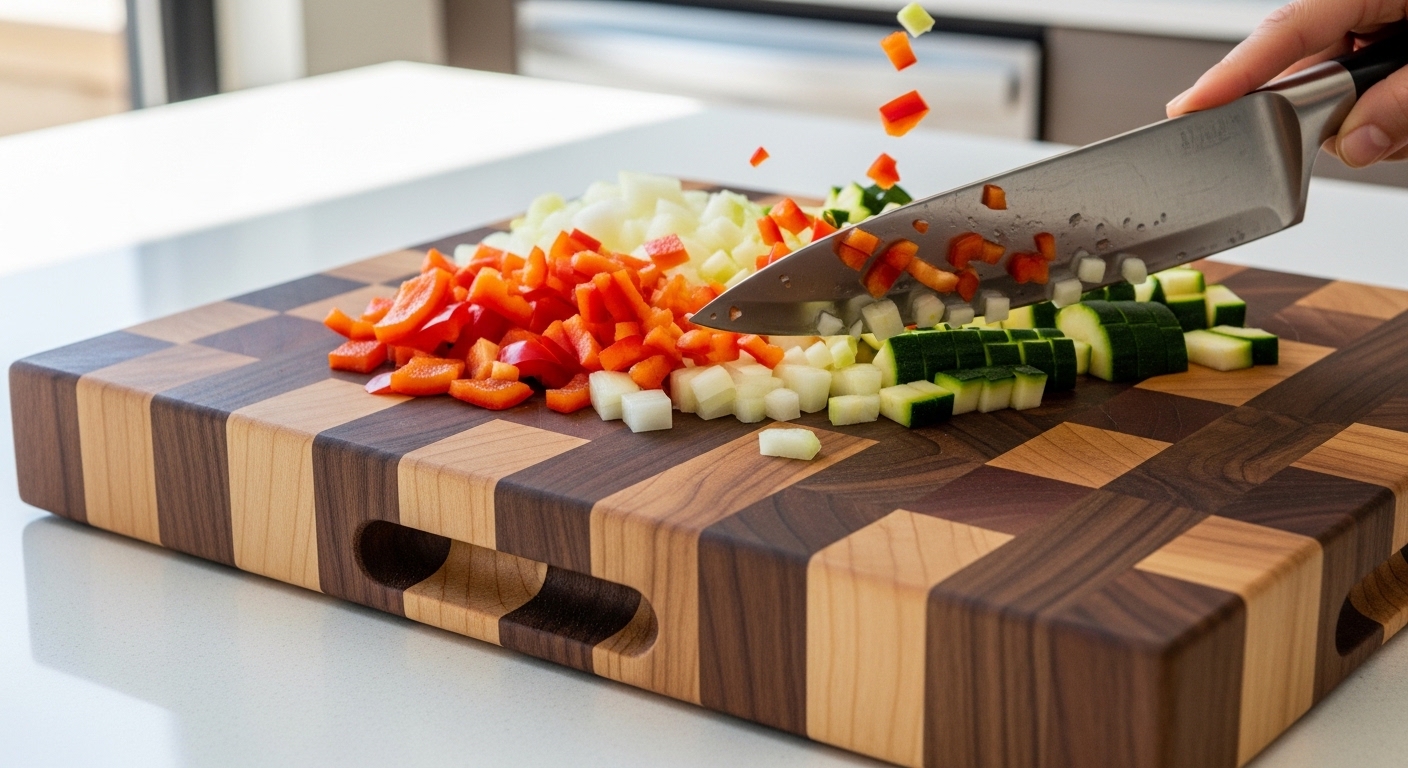
Real kitchen conditions
✔ Long vegetable prep sessions
✔ Repeated chopping with chef knives
✔ Cleanup after real meals
✔ Daily counter use and storage
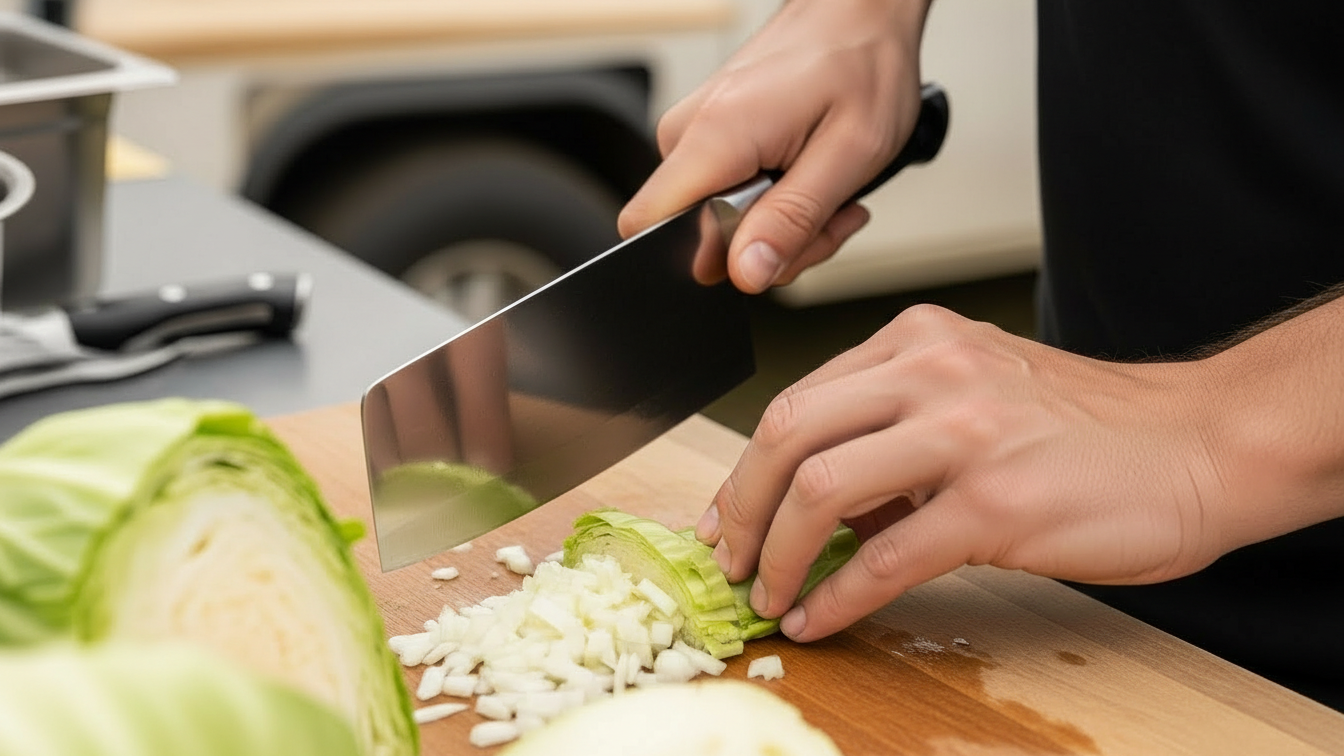
What changes over time
A good end grain board should age well. Cheap boards often separate, warp, or dry unevenly. Better boards stay stable and continue to feel good under the knife even after months of use.
Size Matters Too
Too small = unsafe /
Too large = impractical for travel
OTRE Recommendation:
Own one solid home board and one smaller travel-friendly board.
END GRAIN VS EDGE GRAIN
If you’re deciding between end grain and edge grain, the biggest differences are feel, weight, and price.
End grain boards are usually thicker, heavier, and more forgiving under the knife. Edge grain boards are usually lighter, more affordable, and easier to handle for everyday use.
OTRE Kitchen Take
End grain feels better. Edge grain is often more practical.
Choose end grain if:
√ you do a lot of prep
√ you want the best knife feel
√ you want a premium butcher-block style board
Choose edge grain if:
√ you want something lighter
√ you care more about value
√ you need easier storage and cleanup
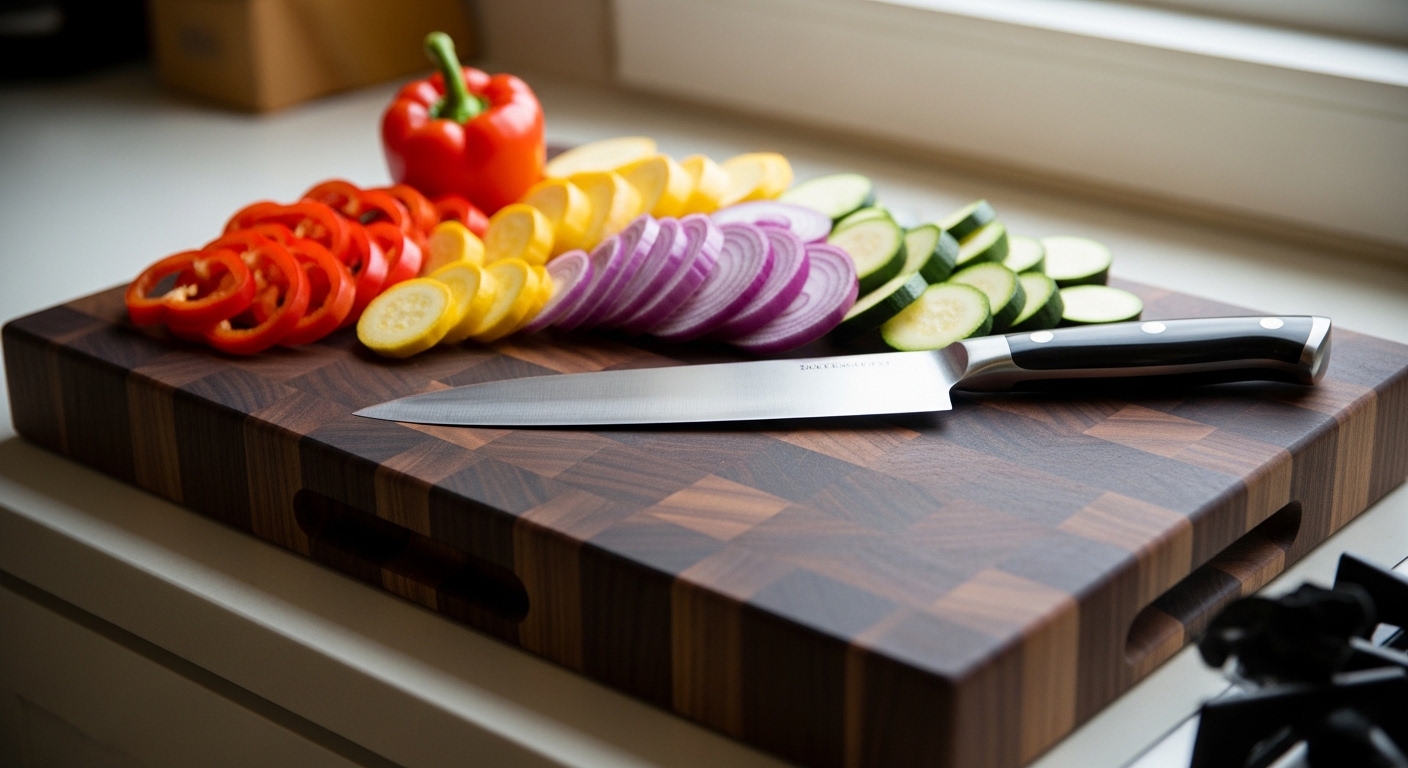
Are End Grain Boards Better for Knife Edges?
In many kitchens, yes. End grain boards usually feel more forgiving because the blade lands on exposed wood fibers rather than a harder flat grain surface.
That doesn’t mean edge grain is bad, but end grain often feels better during long prep sessions and can be easier on knives over time.
CARE AND MAINTENANCE
End grain boards need basic maintenance to stay in good shape. Because they’re thicker and often more expensive, regular care matters even more.
Care basics
✔ Wash with warm water and mild soap
✔ Dry immediately after cleaning
✔ Oil regularly with food-safe mineral oil
✔ Never soak or run through the dishwasher
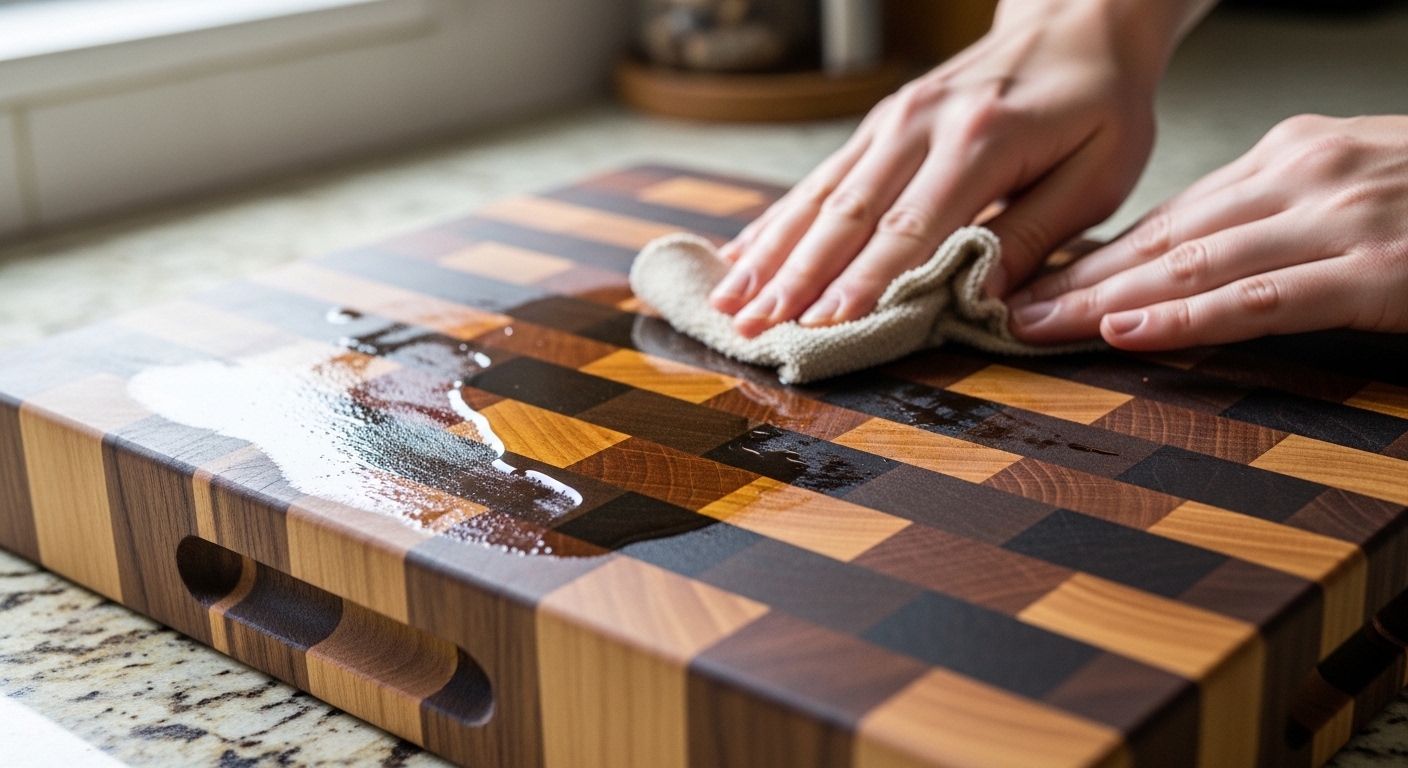
How to Clean & Oil a Wooden Cutting Board (Step-by-Step)
Wood cutting boards require regular maintenance to prevent drying, cracking, and bacteria buildup. In this step-by-step guide, we demonstrate how to properly wash, sanitize, dry, and oil a wooden cutting board using food-grade mineral oil. This process restores moisture, protects the wood fibers, and extends the life of your board.
Whether you’re using end-grain, edge-grain, maple, walnut, or acacia boards, proper cleaning and oiling makes a noticeable difference in performance and durability.
We use Thirteen Chefs Food Grade Mineral Oil for conditioning and restoring the board surface.
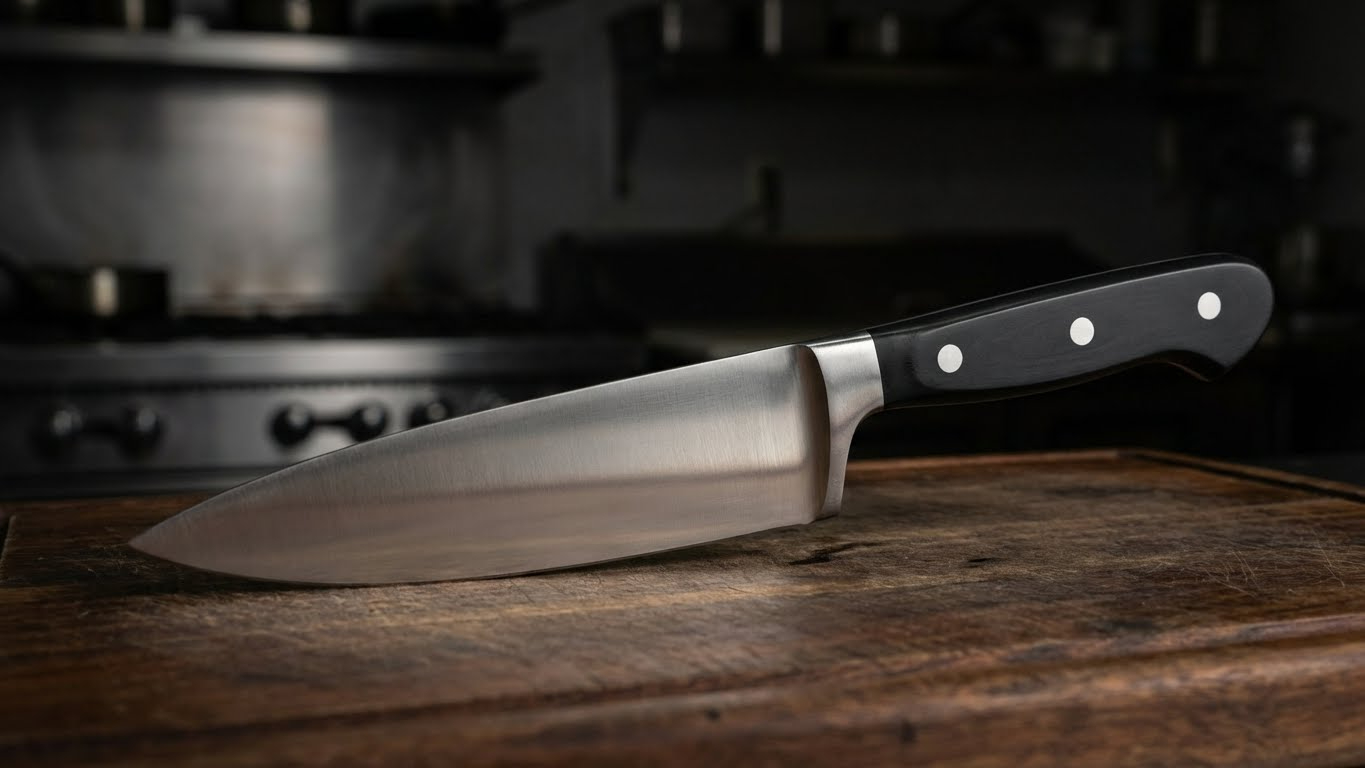
OTRE KITCHEN TAKE
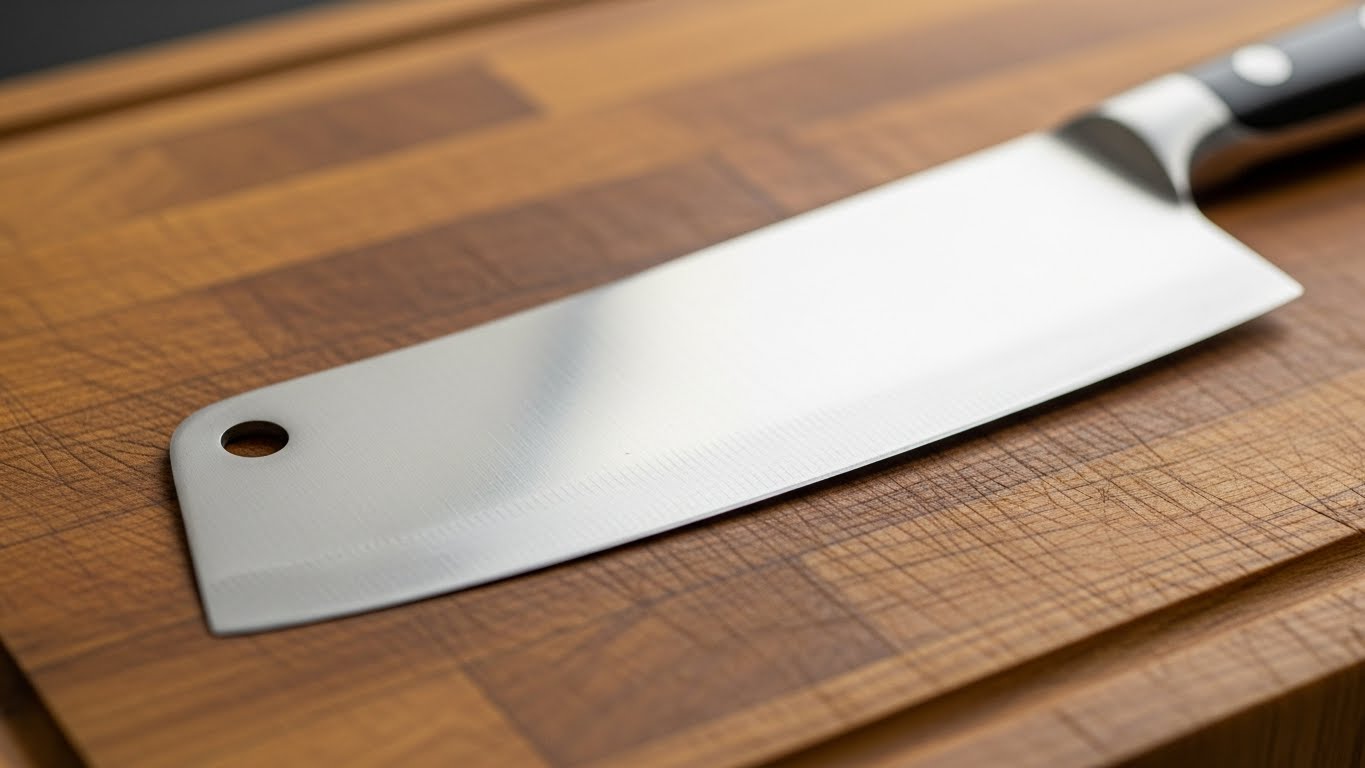
If you spend a lot of time chopping, slicing, and doing real prep work, end grain boards usually feel like the upgrade that actually earns its price. They’re heavier and need care, but they also tend to be the boards people enjoy using most.
For lighter prep and quick weekday cooking, edge grain often makes more practical sense. But for cooks who want that classic butcher-block feel, end grain is hard to beat.
Bottom Line
End grain cutting boards are one of the best choices for cooks who want premium knife feel, better stability, and a board that can handle years of real kitchen use. They cost more and require maintenance, but for serious prep work they often feel worth it.
If you’re choosing a full board rather than just the wood type, see our guide to the best cutting boards for home chefs.