

Best Cutting Boards for Home Chefs

A good cutting board does more than give you a place to chop. The right board protects your knives, improves prep efficiency, and holds up to daily cooking. In this guide, we break down the best cutting boards for home chefs, including butcher blocks, daily prep boards, and serving boards that actually earn space in a real kitchen.

🔥 OTRE Top Picks at a Glance

Chef’s Top Picks

Walnut vs Acacia vs Bamboo vs Birch vs Teak

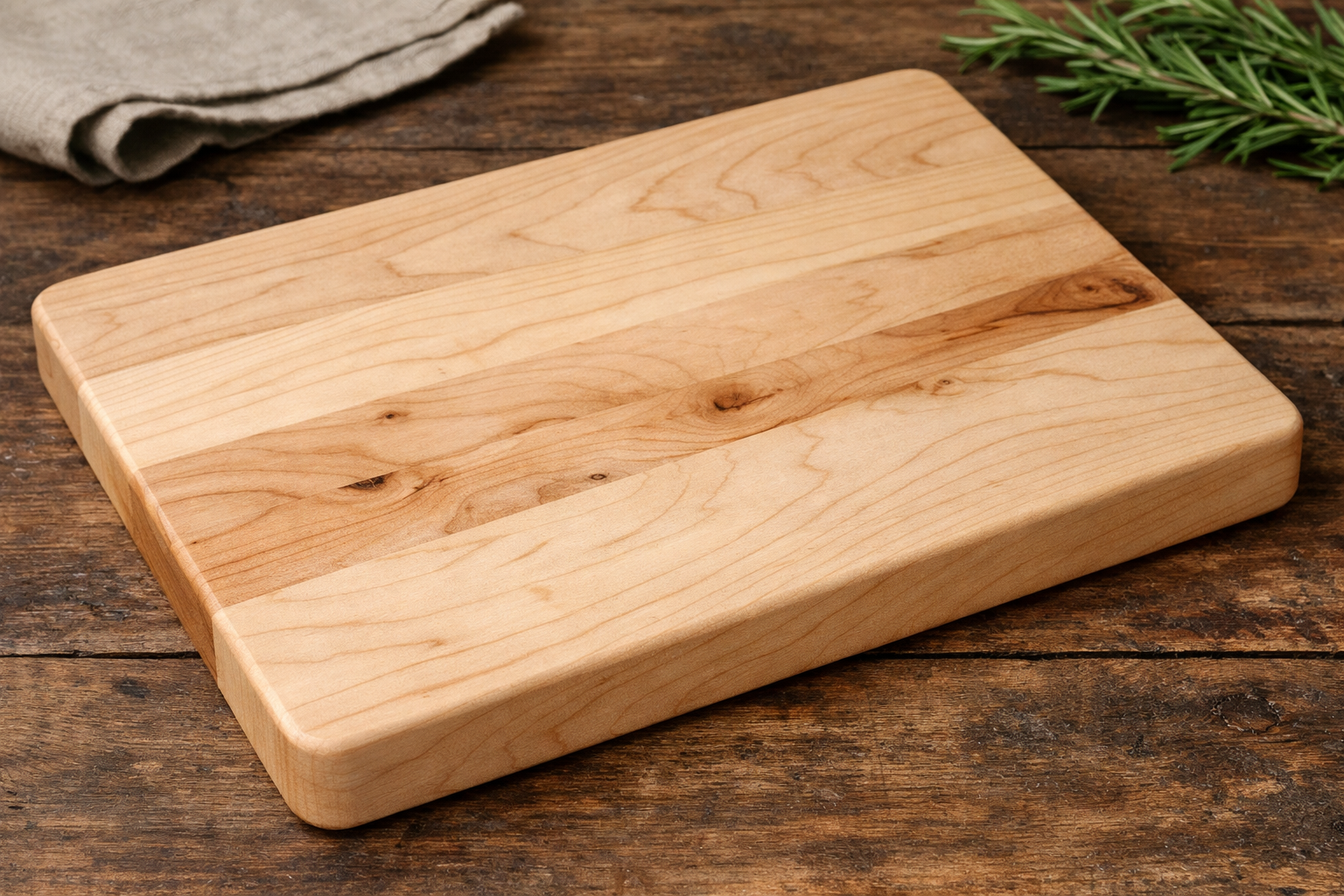
Best Overall – John Boos Maple Cutting Board

Best for home chefs who want a durable, knife-friendly board for daily prep.

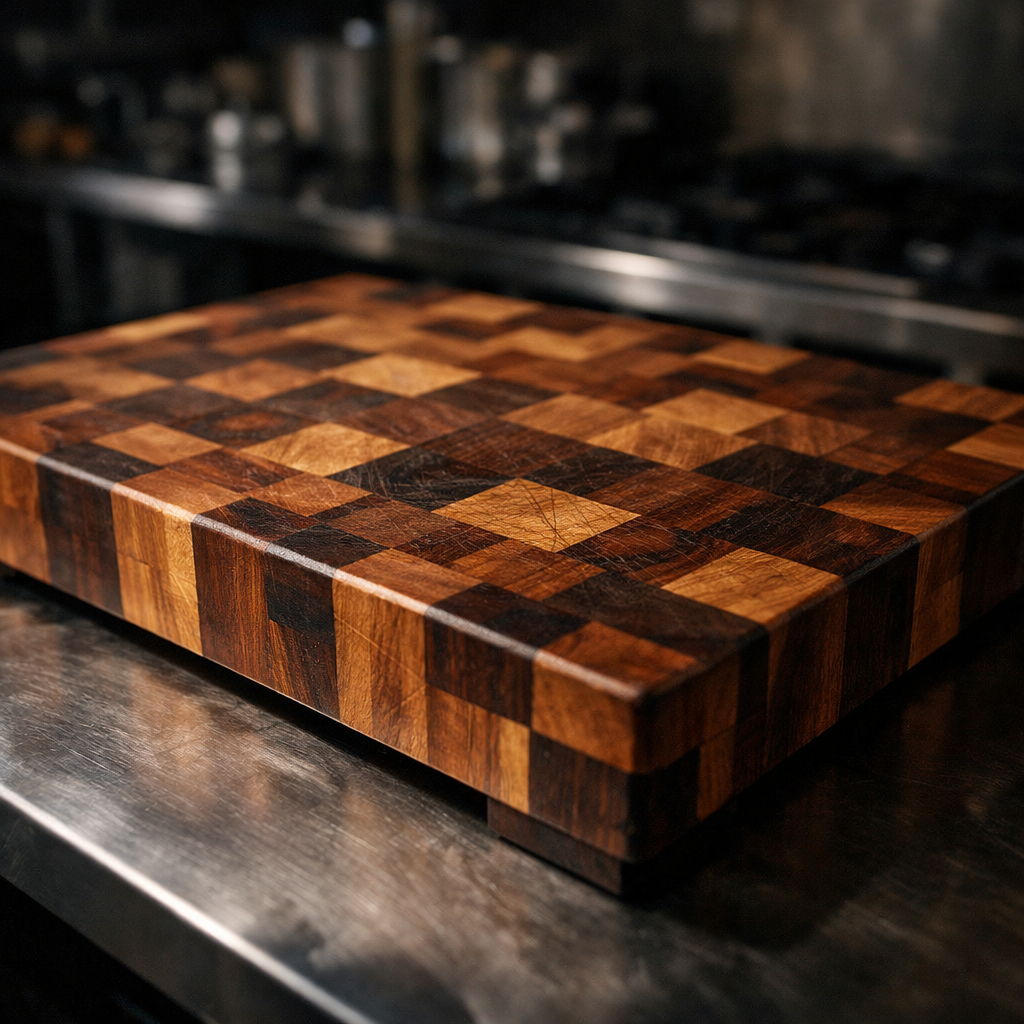
Quelluxe End-Grain Cutting Board — Reported Use Review

Best End Grain – Quelluxe Black Walnut End Grain Cutting Board

Best for heavy chopping and cooks who want maximum knife-edge protection.

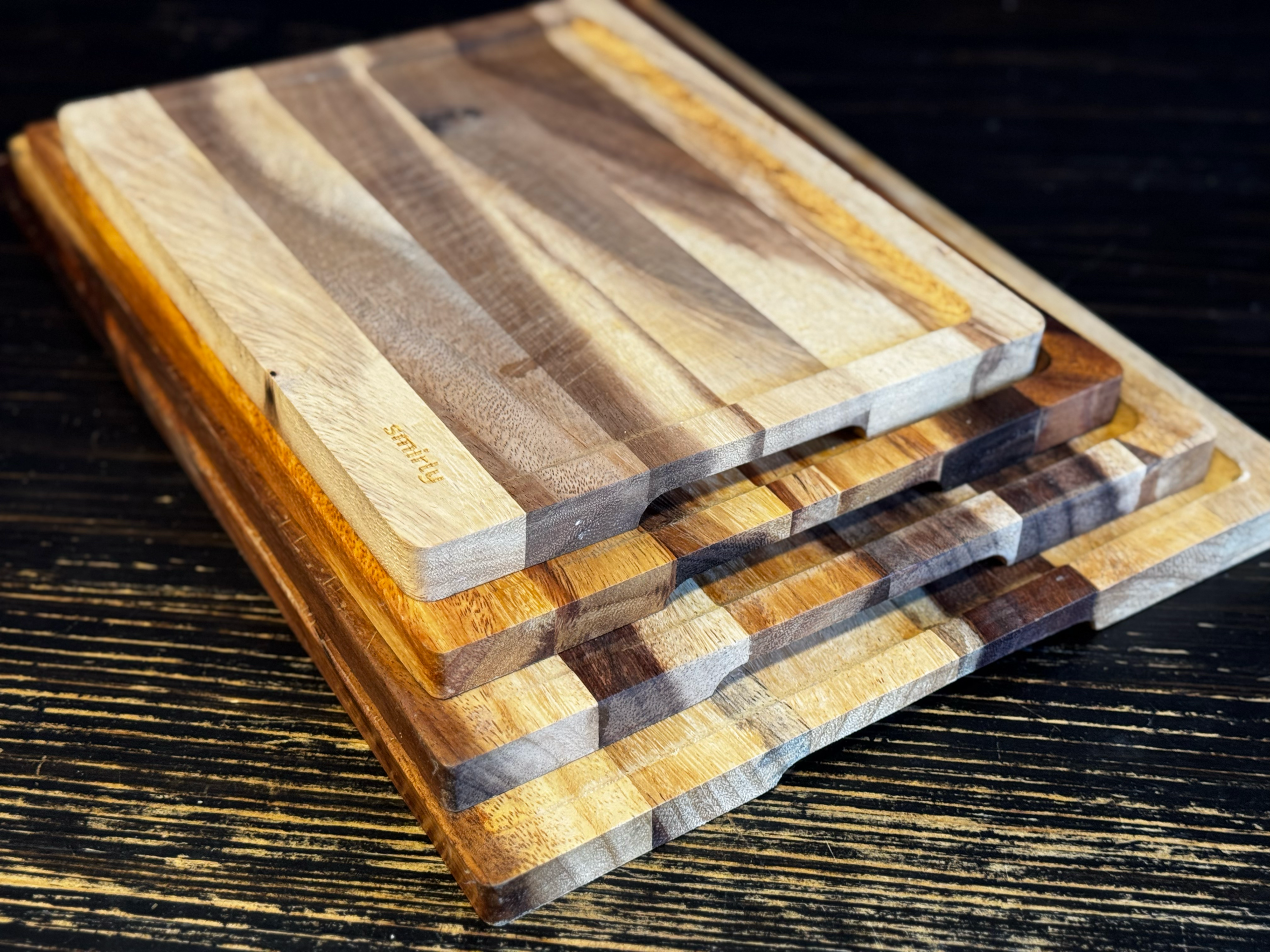
Smirly Walnut Wood Cutting Board Set

Best Set – SMIRLY Cutting Boards

Best wood board for lighter prep, easy cleanup, and lower-cost daily use.

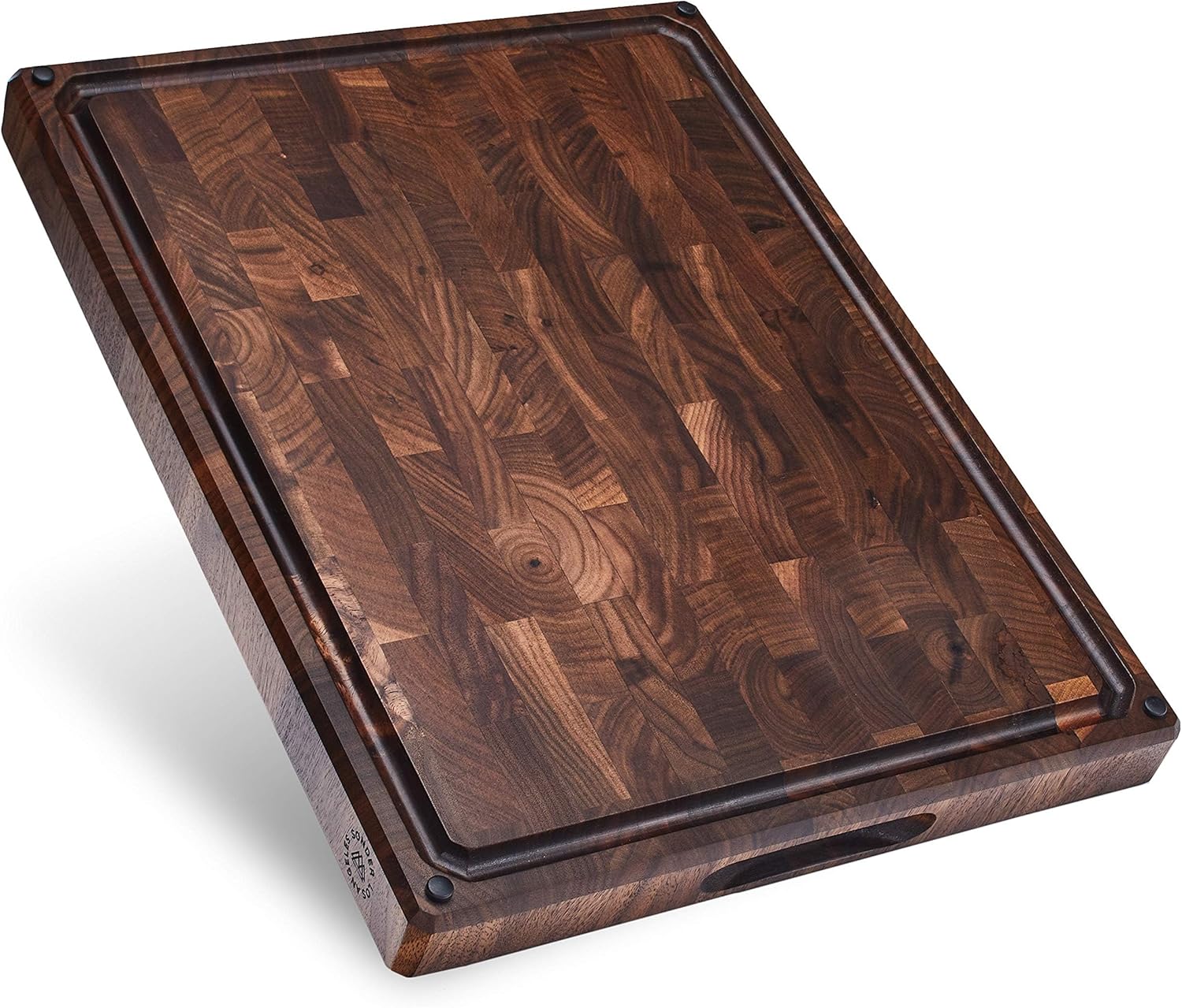
Sonder Los Angeles Alfred Cutting Board

Best for Serving – Sonder Los Angeles Alfred Cutting Board

Best for presentation, slicing, and table-ready serving.

Road-tested with real knives, daily prep, and long-term kitchen use.

Quick Verdict

There is no single cutting board that does every job best. Thick butcher blocks are ideal for heavy chopping and better knife protection, while lighter prep boards work better for everyday slicing, quick meals, and easier cleanup. The best cutting board for home chefs depends on how you cook most often — but hardwood boards usually offer the best balance of durability, stability, and knife friendliness.

We have the best instructors

✔ Knife Tested ✔ Kitchen Approved ✔ Daily Prep Proven

Best Butcher Block Style

Heavy chopping, everyday prep, and knife protection

✔ Thick construction absorbs impact
✔ Better for repeated chopping and carving
✔ More stable during aggressive prep

Best Board for Everyday Prep

A lighter board is often the better choice for everyday slicing, quick meals, and smaller prep jobs.

✔ Easier to lift, clean, and store
✔ Better for fruits, herbs, and daily meals
✔ More practical for frequent kitchen use

Best for Serving & Slicing

Serving boards work best for presentation, slicing cooked meats, bread service, and table-ready use.

✔ Better for presentation and plating
✔ Ideal for bread, cheese, and cooked foods
✔ Great for finishing and serving

Best Cutting Boards Compared

Board Material Best For Size Price
John Boos Maple Cutting Board Maple Best Overall Large $$$
Quelluxe  Walnut End Grain Cutting Board Walnut Heavy Chopping / Carving XL Large $$$
SMIRLY Cutting Boards Multiple Options Best Set SM/MD/LG/XL $$
Sonder Los Angeles Walnut Serving / Slicing Large $$$
Virginia Boys Walnut  Serving Med $$

How I Test Cutting Boards

Every board in this guide earns its place through real prep, real chef knives, and repeated kitchen use — not just looks or marketing claims.

Knife Tested

A good board should protect your knives, not fight them.

✔ Repeated chopping and slicing

✔ Watching for edge dulling and bounce

✔ Checking surface wear over time

Road Proven

Boards that survive real movement and repeated use hold up better in any kitchen.

✔ Packed, transported, and stored repeatedly

✔ Used in temporary kitchens and travel setups

✔ Checked for cracking, warping, and splitting

Kitchen Approved

If a board is annoying to clean, unstable on the counter, or too high-maintenance, it does not make the cut.

✔ Used during real daily prep

✔ Stability on counters and prep stations

✔ Ease of cleaning, drying, and oiling

How to Choose the Right Cutting Board

Wood vs Plastic

Wood boards are usually more knife friendly and better looking, while plastic boards are easier to sanitize and simpler to maintain. For most home chefs, wood is the better choice for primary prep, while plastic works well for raw meat or quick cleanup tasks.

End Grain vs Edge Grain

End grain boards are thicker, more durable, and gentler on knife edges, but they cost more and weigh more. Edge grain boards are usually more affordable, lighter, and easier for everyday use.

Best Materials

Maple is one of the best all-around cutting board materials because it is durable, stable, and knife friendly. Walnut is slightly softer and often preferred for appearance. Teak is highly durable and moisture resistant, while bamboo is affordable but can be harder on knives.

Best Size for Home Chefs

A board that is too small becomes frustrating fast. Most home chefs should look for a board large enough for prep without overwhelming the counter. Large boards are best for heavy chopping and batch cooking, while medium boards are better for quick daily meals.

How to Choose the Right Cutting Board

A wooden cutting board lasts much longer when it is cleaned properly, dried fully, and regularly conditioned with food-safe mineral oil. Avoid soaking wood boards, avoid the dishwasher, and oil the surface when it starts to look dry or chalky.

Our Final Recommendation

For most home chefs, the best cutting board is one that balances knife protection, prep space, durability, and ease of daily use. A quality hardwood board is usually the best long-term choice, especially if you cook often and care about keeping your knives in better condition. Match the board to the work you do most, and your prep gets easier fast.
Quelluxe End-Grain Cutting Board — Reported Use Review

Best End Grain – Quelluxe Black Walnut End Grain Cutting Board

  • Helps protect knife edges during regular prep
  • Improves stability and workspace during chopping
  • Makes it easier to use the right board for the right task

As an Amazon Associate, On The Road Eats may earn from qualifying purchases.

Cutting Board FAQs

What is the best cutting board material for home chefs?

Hardwood boards like maple, walnut, and teak are usually the best choice because they are durable, stable, and gentler on knife edges than harder surfaces.

Do wooden cutting boards dull knives?

No. Good wooden cutting boards are generally easier on knife edges than glass, stone, or very hard composite surfaces.

Are plastic cutting boards safer than wood?

Plastic boards are easier to sanitize in some cases, but both wood and plastic can be safe when cleaned properly. Many home cooks use wood for everyday prep and plastic for raw meat.

What is better: end grain or edge grain?

End grain is usually better for knife protection and durability, while edge grain is lighter, less expensive, and often more practical for everyday use.

How often should you oil a wooden cutting board?

Most wooden boards should be oiled whenever the surface starts to look dry. For many home kitchens, that means roughly every few weeks to once a month.

What size cutting board is best for home use?

A medium-to-large board is best for most home kitchens because it gives you enough prep room without becoming difficult to clean or store.