

Why Cutting Board Material Actually Matters
We have the best instructors
When comparing a wood vs plastic cutting board, most home cooks want to know which material is better for knives, food safety, and everyday prep.
Some boards protect knife edges better. Others are easier to sanitize. And some simply hold up better after years of daily cooking.
Understanding those differences helps you pick a board that fits the way you actually cook.
✔ Wood is generally easier on knife edges
✔ Plastic is easier to sanitize quickly
✔ Many kitchens use both
Glass, Marble & Stone — Avoid These
These surfaces destroy knife edges.
OTRE Take:
These are serving boards, not cutting boards. Keep knives far away.
Extremely hard
No forgiveness
Chip or flatten blades quickly
HOW WE TEST CUTTING BOARDS AT OTRE
How We Compare Cutting Board Materials
At OTRE we don’t judge boards by marketing claims or showroom looks. We care about how they perform during real prep work.
Boards earn their place in the kitchen through repeated use.
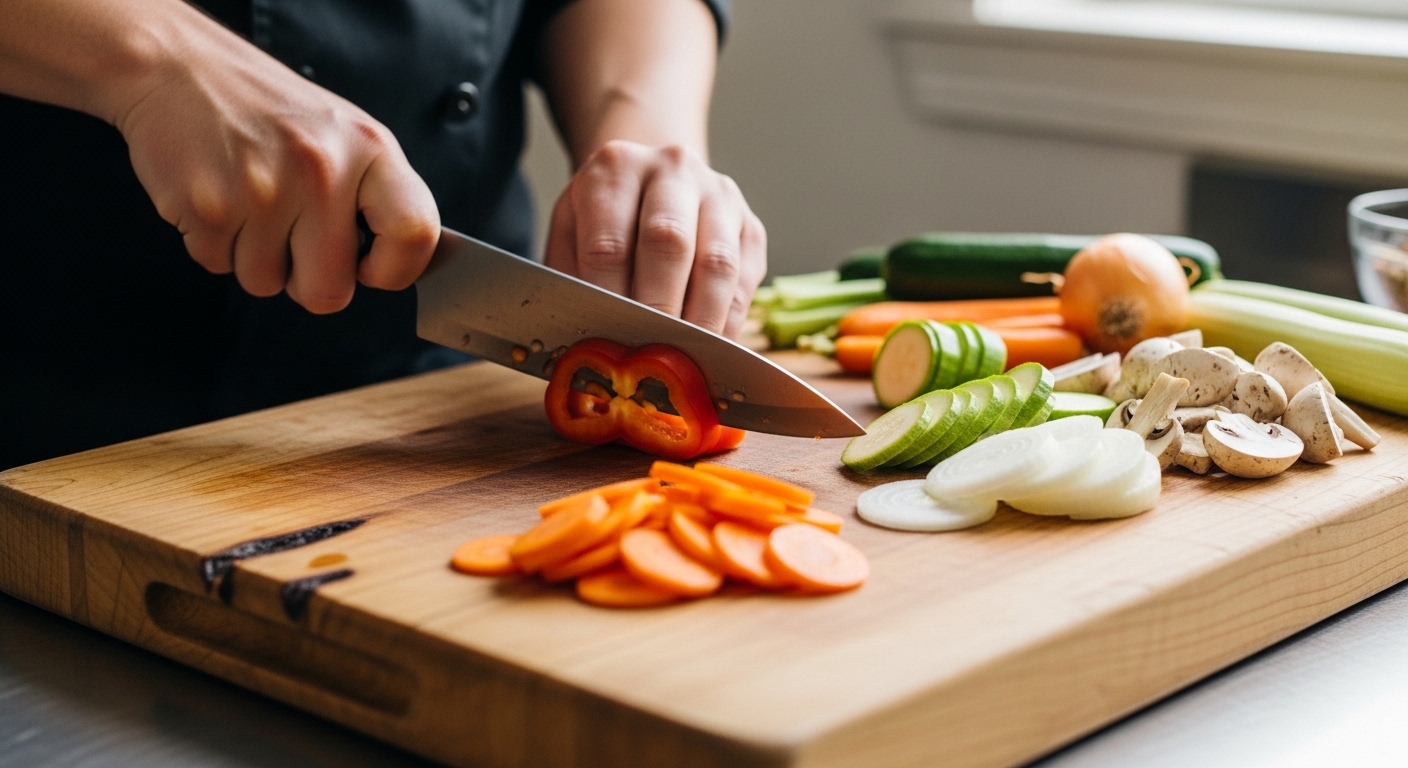
What we evaluate
✔ Knife feel during slicing and chopping
✔ Stability on the counter
✔ Ease of cleanup after meals
✔ Long-term wear and durability
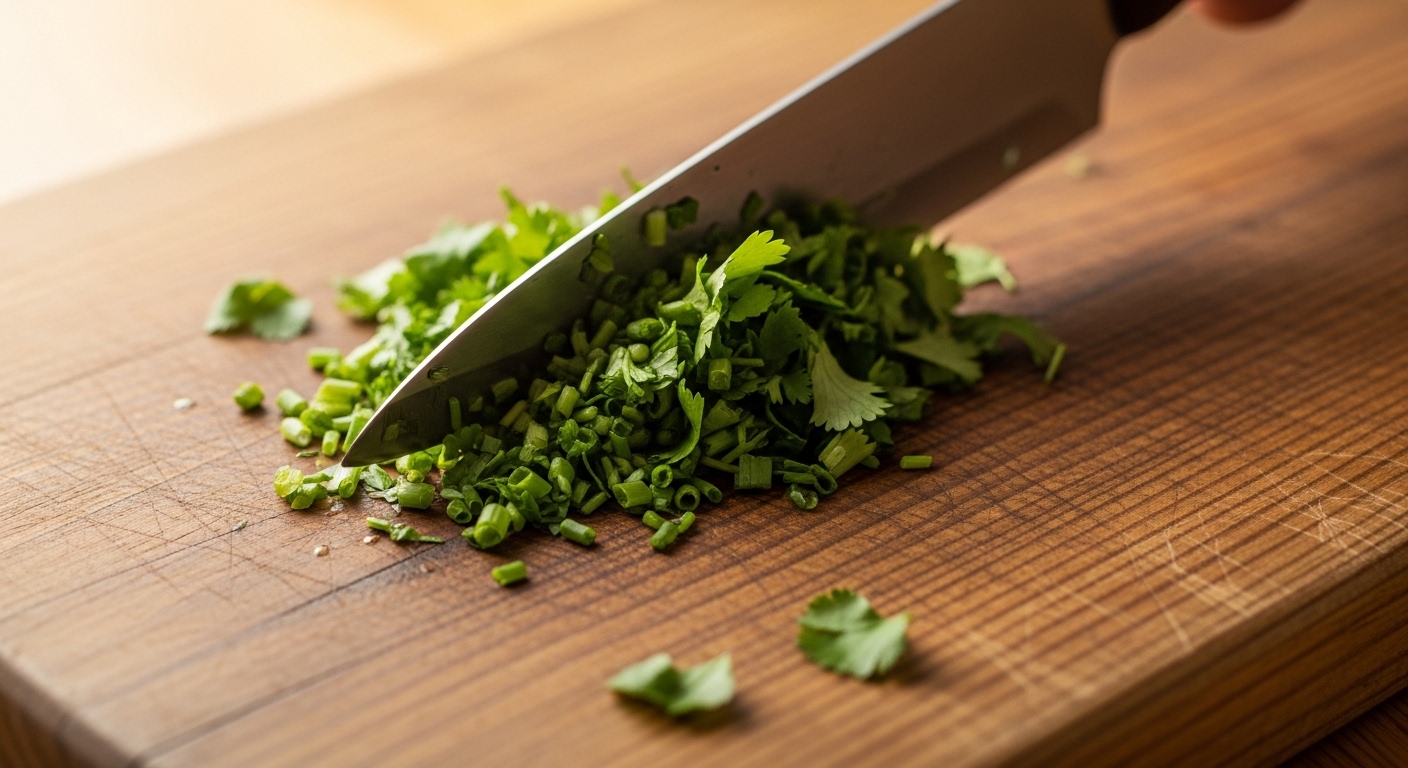
Real Kitchen Conditions
Boards are tested during actual cooking sessions — not staged demos.
That means:
✔ vegetable prep
✔ trimming proteins
✔ repeated washing and drying
✔ extended prep sessions
Some boards look great on day one but fall apart after a few weeks of real cooking.
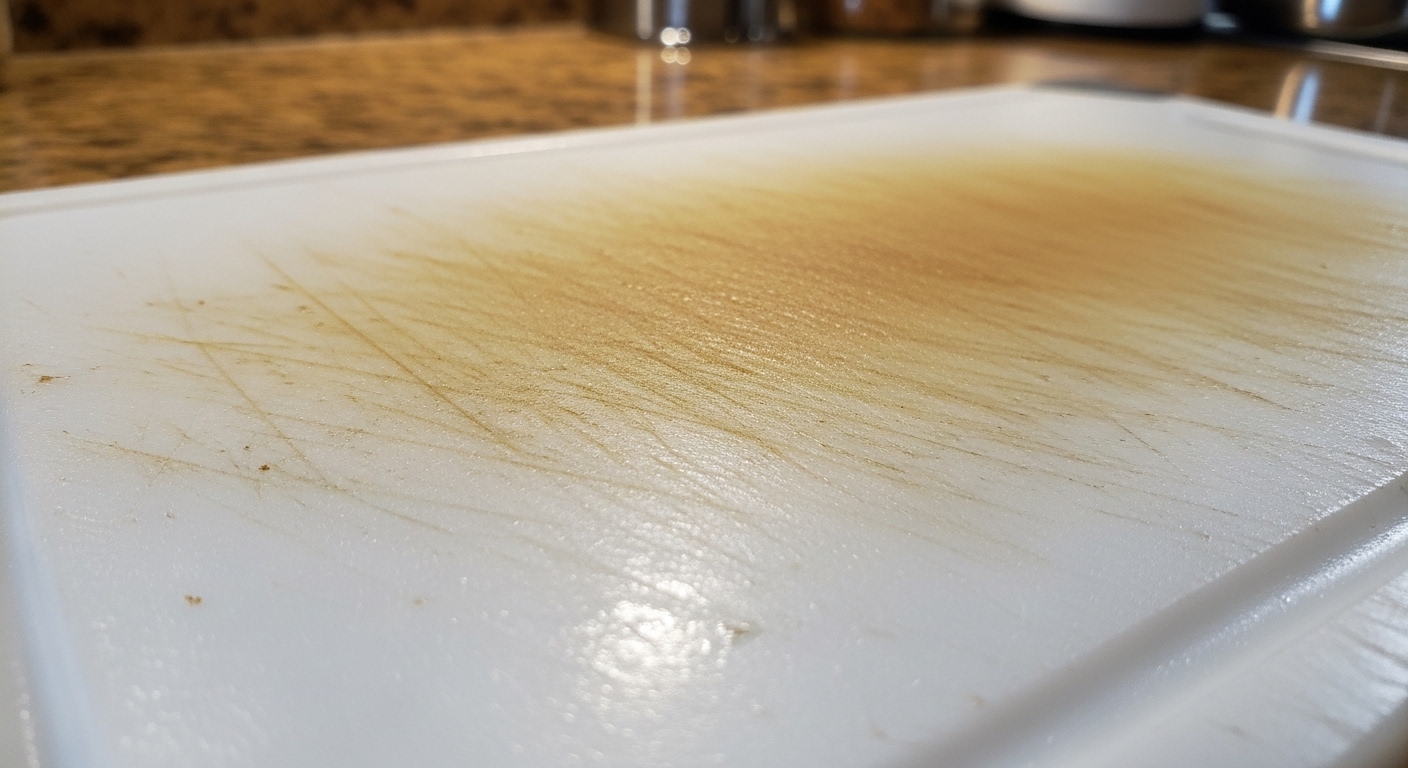
What Changes Over Time
Different materials age differently.
Plastic boards tend to develop grooves and scoring from repeated knife contact. Hardwood boards require occasional oiling but often stay stable and usable for years.
How a board performs after months of use matters more than how it looks new.
Size Matters Too
Too small = unsafe /
Too large = impractical for travel
OTRE Recommendation:
Own one solid home board and one smaller travel-friendly board.
Cleaning Wood vs Plastic Boards
Plastic cutting boards are easier to sanitize aggressively. They can handle stronger cleaning methods and are often replaced once they develop deep grooves.
Wood boards need a little more care, but they’re still safe and reliable when cleaned and dried properly.
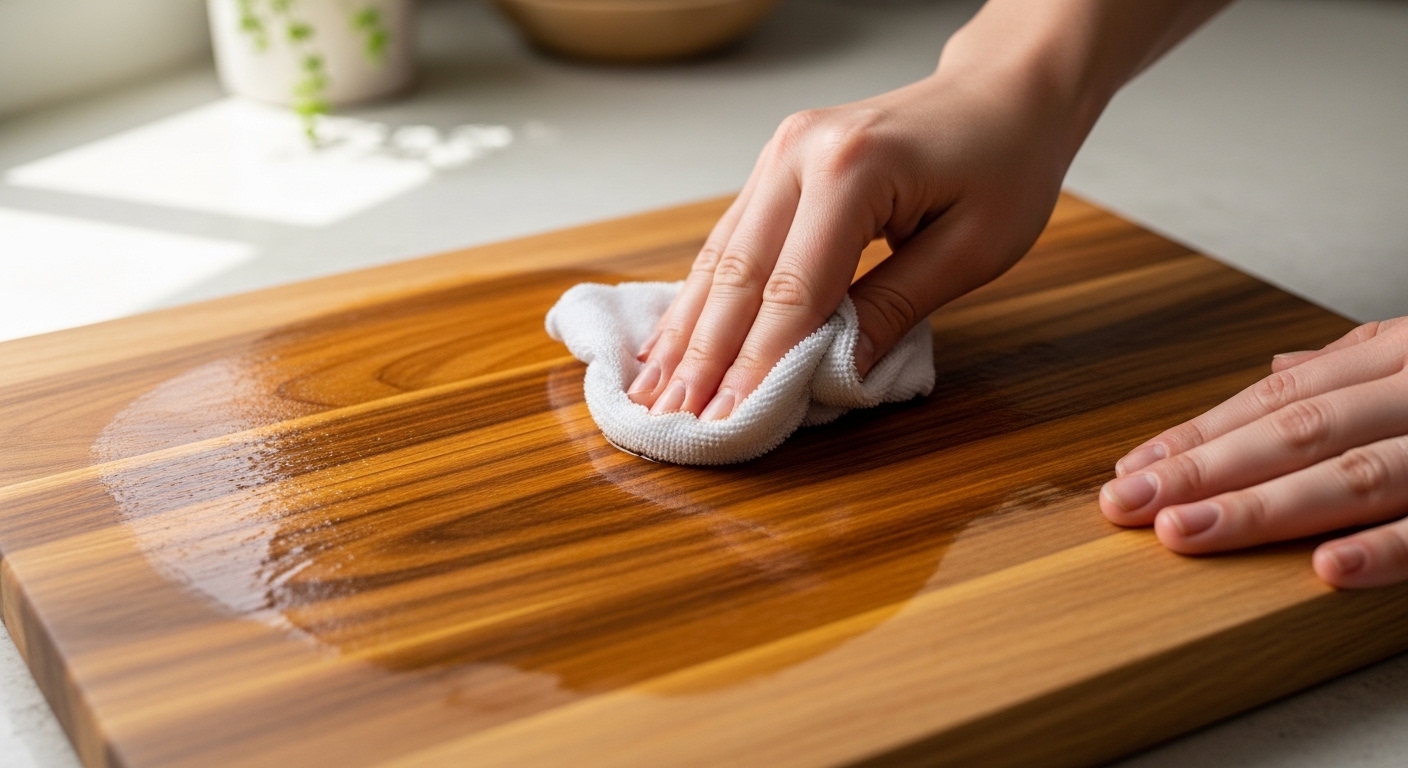
Wood board care
✔ Wash with warm water and mild soap
✔ Dry immediately after cleaning
✔ Condition occasionally with food-safe mineral oil
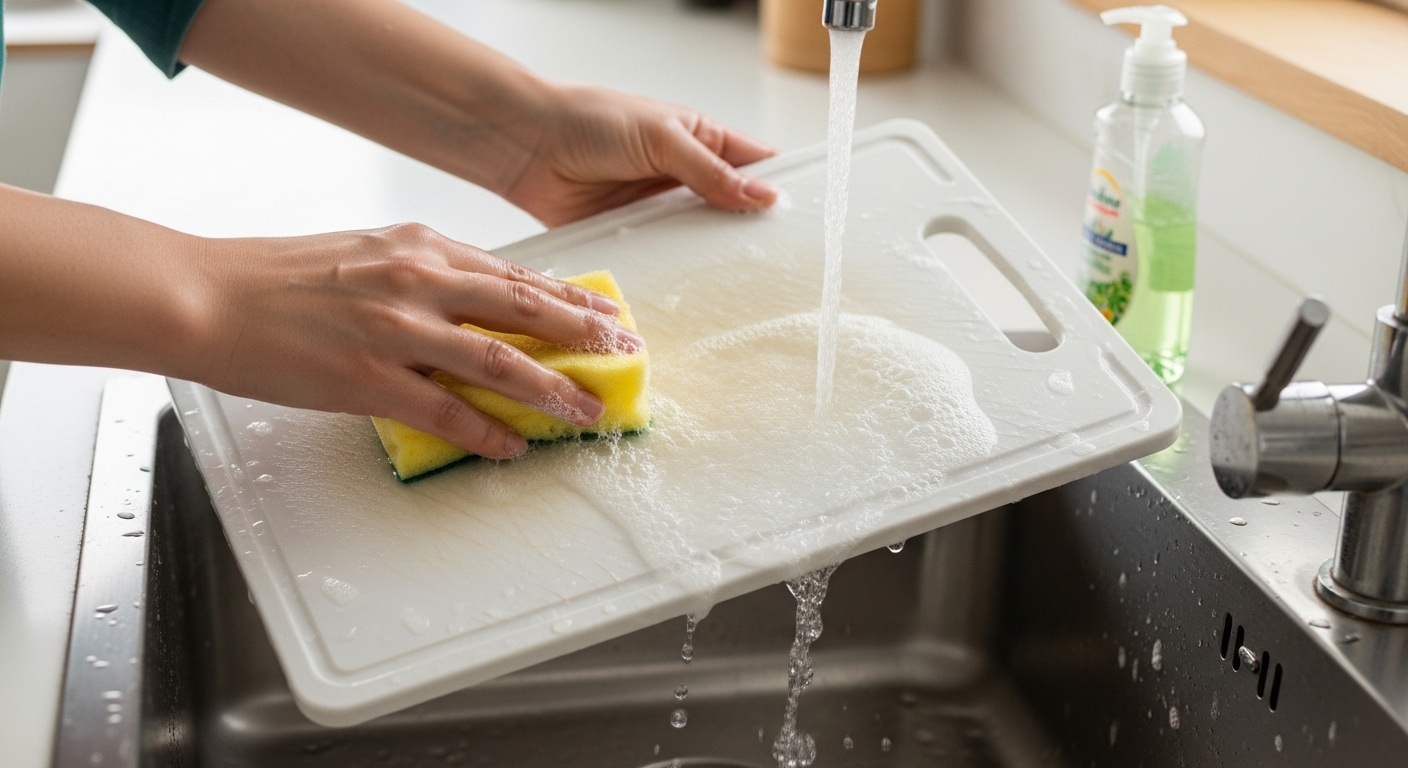
Plastic board care
✔ Wash thoroughly after each use
✔ Replace deeply scarred boards
✔ Sanitize when needed
✔ Avoid storing boards while wet
WHICH MATERIAL IS BETTER FOR KNIVES?
Knife Edge Protection
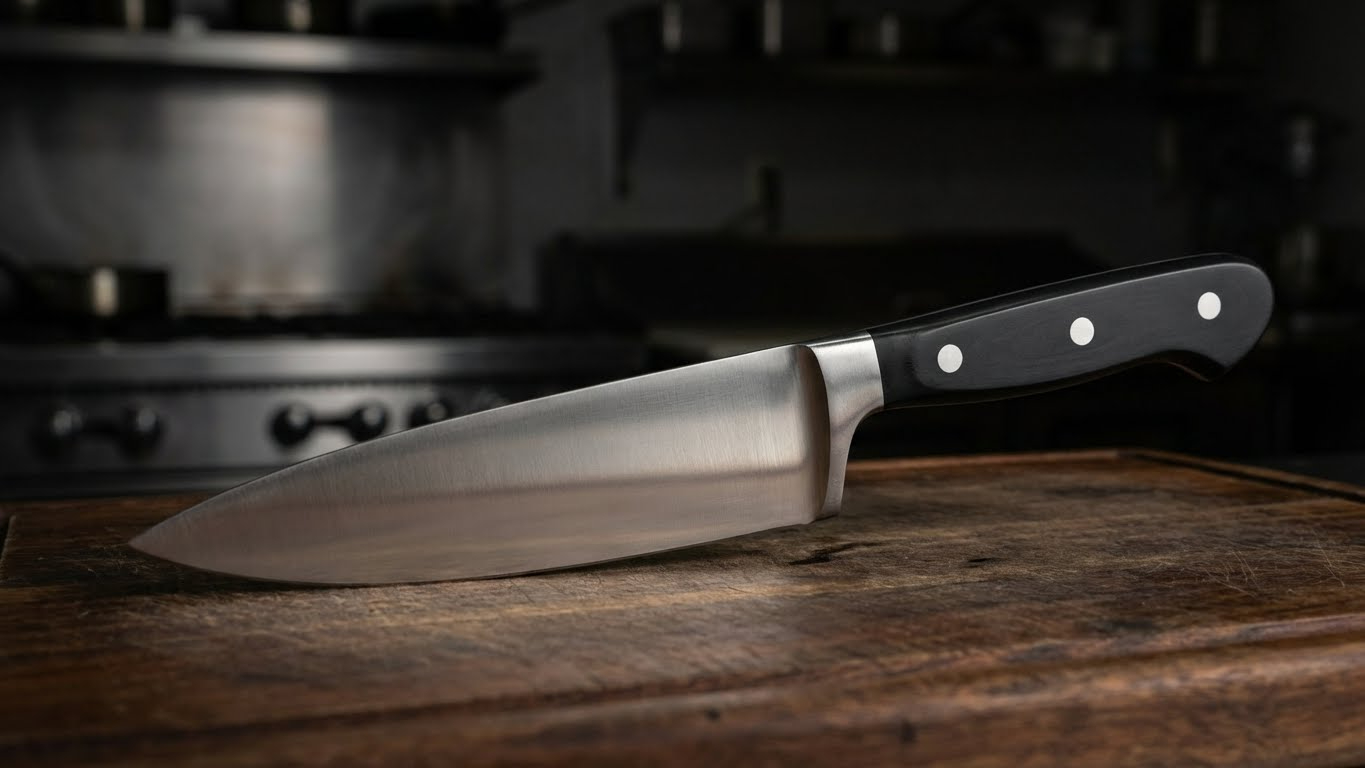
One of the biggest differences between wood and plastic boards is how they affect knife edges.
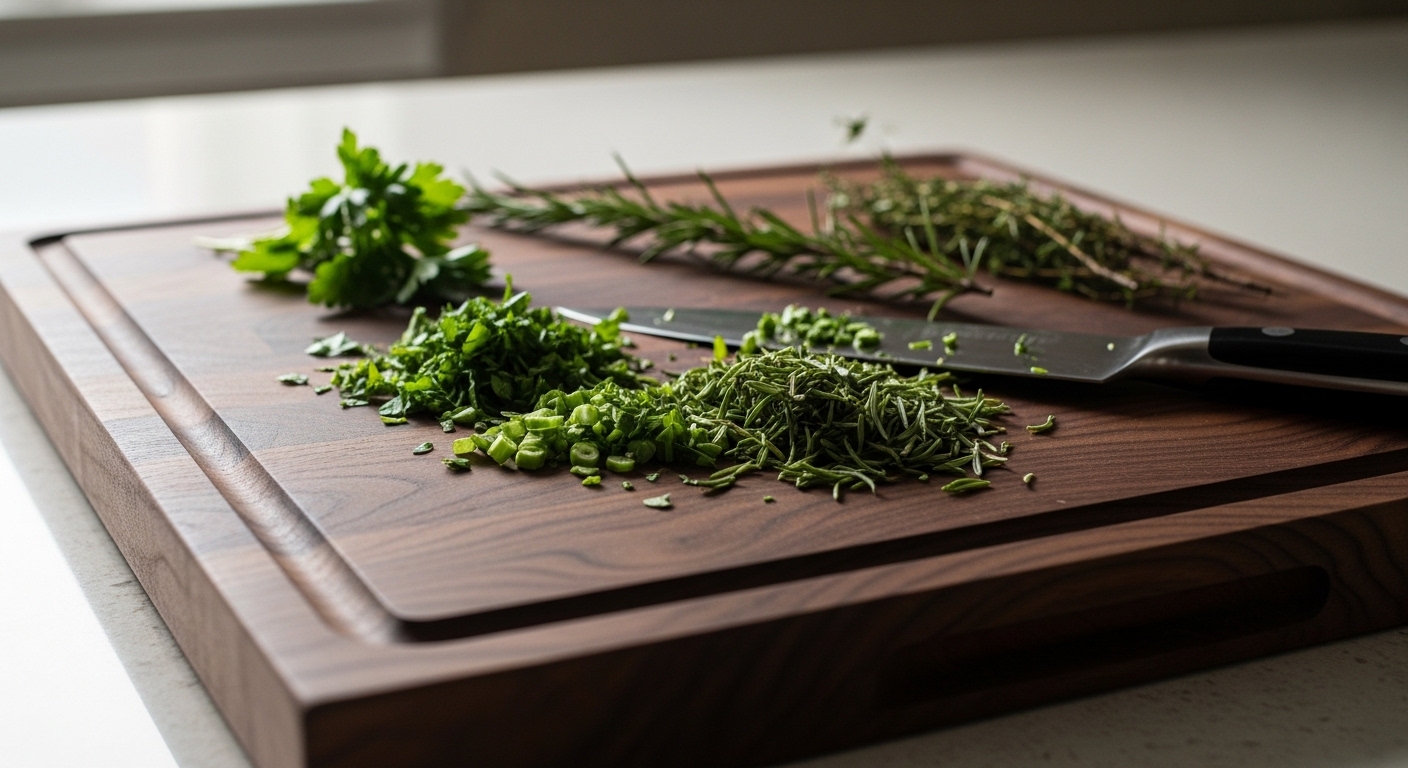
Hardwood boards tend to be more forgiving. The surface gives slightly under the blade, which helps preserve sharpness during long prep sessions.
Plastic boards work fine when new, but once they develop deep scoring they can feel rougher under the knife.
OTRE Kitchen Take
If knife feel matters to you, hardwood boards usually win.
For a deeper look at this, see:
How Cutting Boards Affect Knife Longevity
WHICH LASTS LONGER?
Durability Over Time
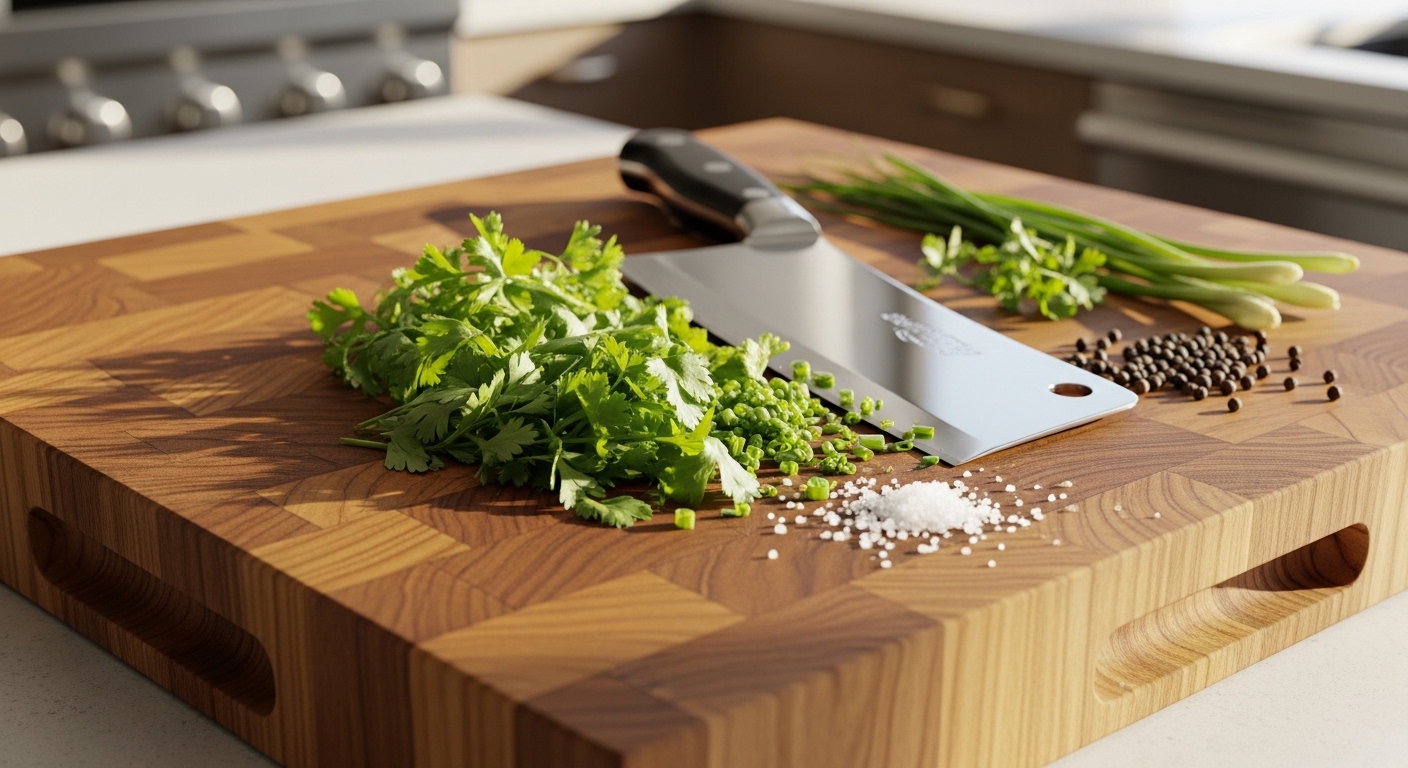
A well-maintained hardwood board can last for many years, sometimes decades.
Plastic boards are often more disposable. Once they develop deep grooves or staining, they’re usually replaced rather than restored.
Durability ultimately comes down to quality, but hardwood boards tend to age more gracefully.
Bottom Line
Wood vs Plastic — What Most Kitchens Actually Use
For most home cooks, a wood cutting board becomes the primary prep surface. It’s stable, comfortable under the knife, and built for daily cooking.
Plastic boards still have their place — especially when working with raw proteins or situations where quick sanitation matters.
In many kitchens, the best setup is simple: one good wood board for everyday prep and a plastic board for backup tasks.
If you’re looking for our top recommendations:
If you want a better option, see our guide to the best cutting boards for home chefs.