
Are Glass Cutting Boards Bad for Knives?

Glass cutting boards may look clean and stylish, but they are one of the worst surfaces you can use for real knife work. They are extremely hard, offer no give under the blade, and can dull or even damage knife edges much faster than wood or softer prep surfaces. Knife tested, edge aware, and based on real kitchen use.

Why Glass Cutting Boards Are a Problem

We have the best instructors

A cutting board should protect your knives while giving you a stable prep surface. Glass does the opposite. It is harder than the edge-friendly materials most cooks should use, which means every slice creates more edge stress than necessary. The result is faster dulling, rougher cutting, and more sharpening than your knives should need.

✔ Extremely hard surface

✔ No forgiveness for knife edges

✔ Better for serving than cutting

Why Glass Dulls Knives

Why Glass Dulls Knives

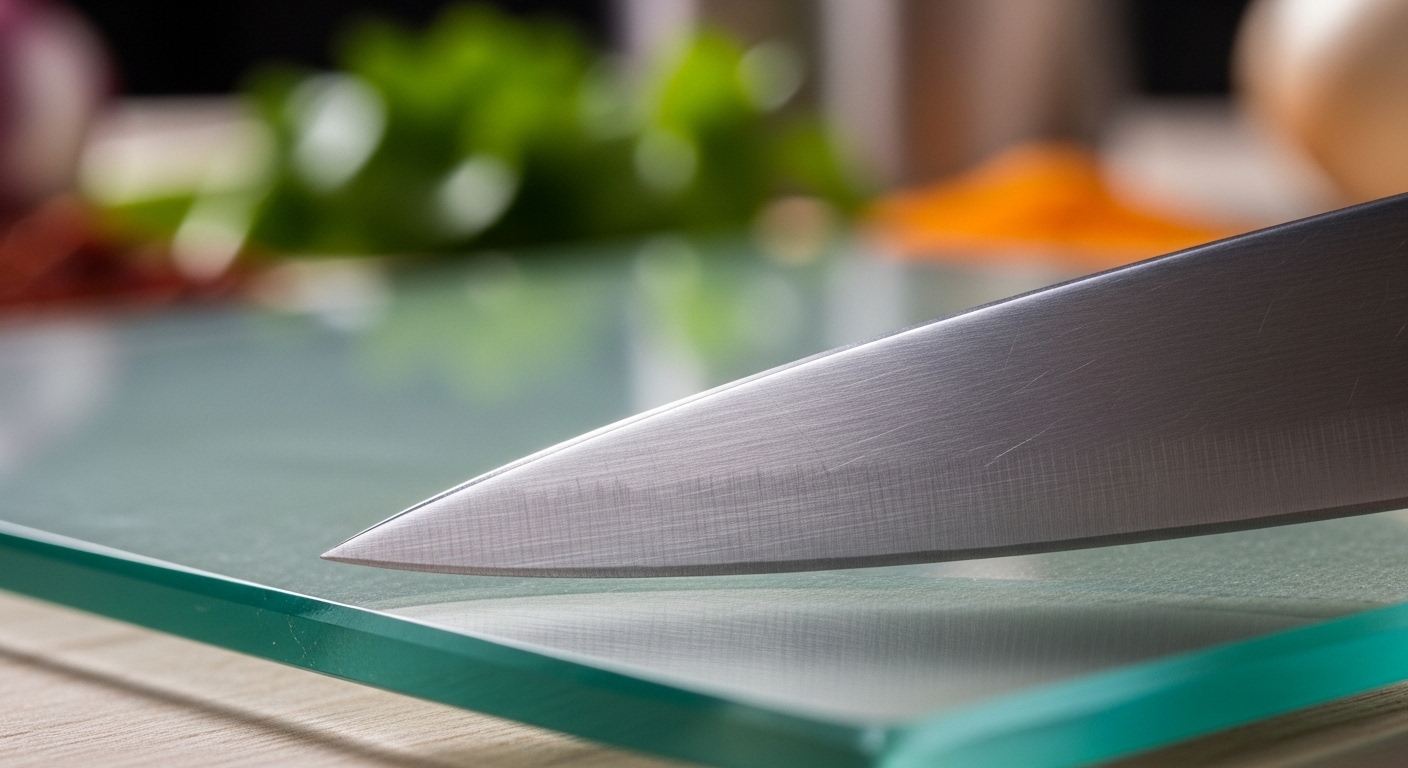
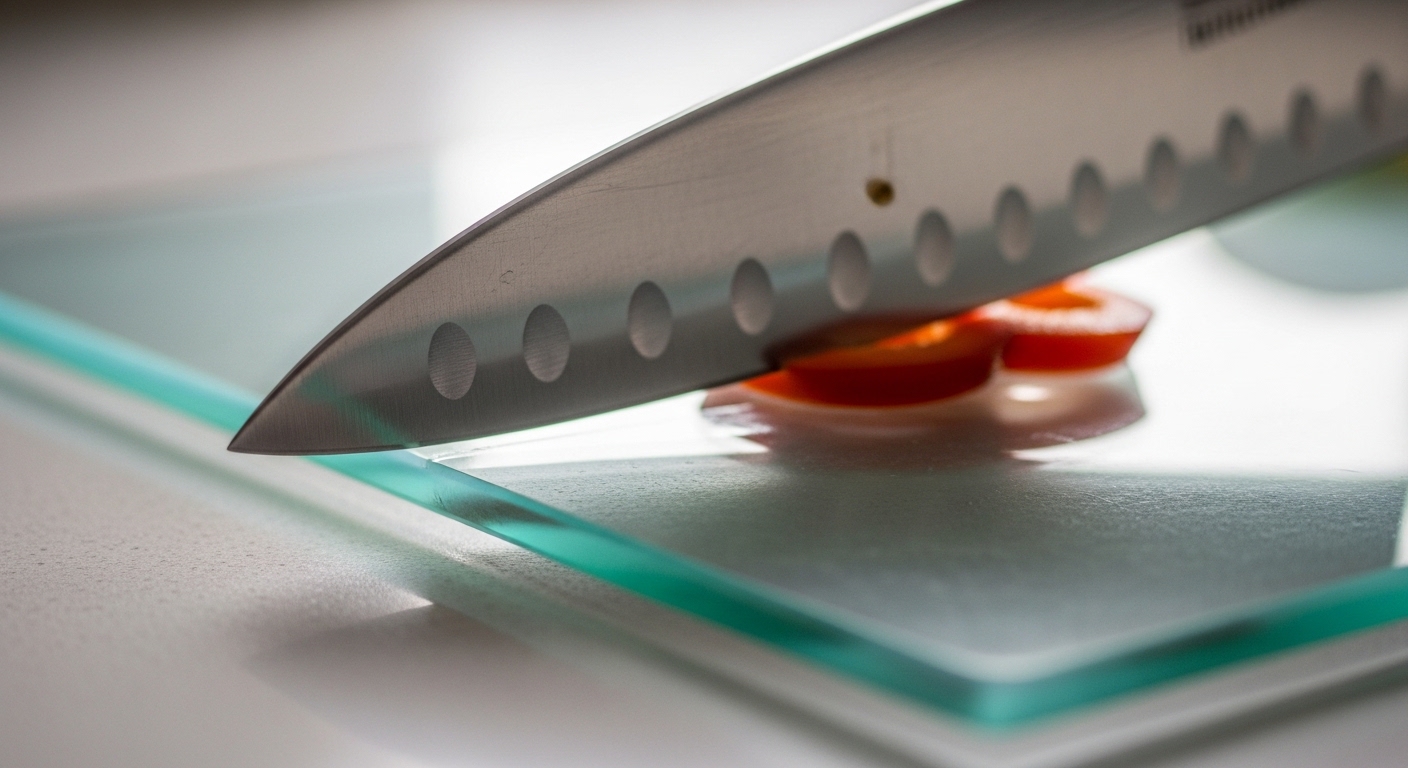
Glass has almost no give under the blade. That hard contact creates repeated impact on the knife edge, which can flatten sharpness faster than wood or softer prep surfaces.

  • Harder on fine edges
  • Speeds up dulling
  • Worse with repeated chopping

Why People Still Buy Them

Glass boards look clean, decorative, and easy to wipe down, which makes them popular in stores. But visual appeal does not make them a good cutting surface.

  • Attractive appearance
  • Easy to market
  • Better for serving than prep

What to Use Instead

For real prep, use wood or another knife-friendly material that protects the blade while staying stable on the counter.

  • Wood is usually best
  • Softer surfaces protect edges
  • Better daily kitchen performance

Glass, Marble & Stone — Avoid These

These surfaces destroy knife edges.

OTRE Take:
These are serving boards, not cutting boards. Keep knives far away.

Extremely hard
No forgiveness
Chip or flatten blades quickly

How We Evaluate Cutting Surfaces in Real Kitchens

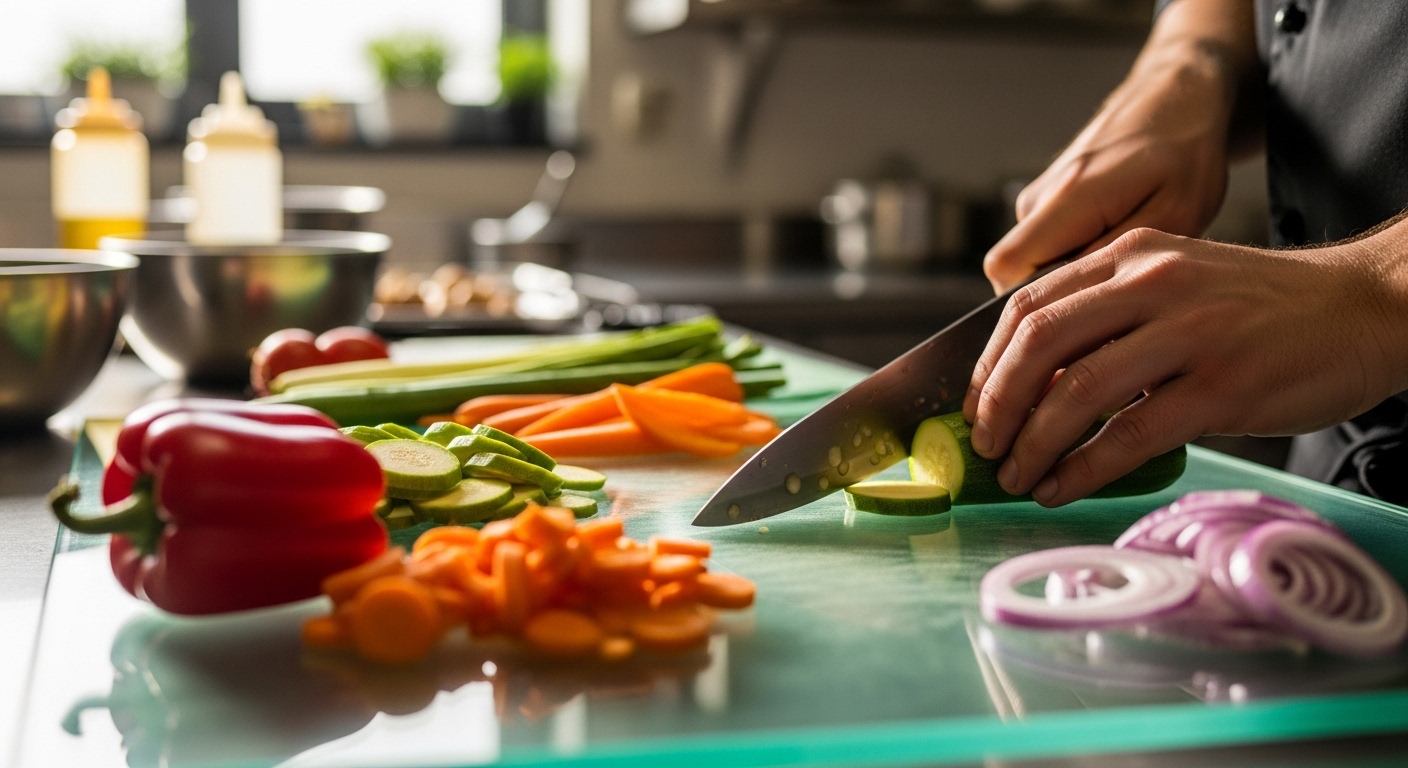
We judge cutting surfaces by how they perform during actual prep, not how they look on a counter. That means repeated slicing, chopping, cleanup, storage, and the way a surface affects knife feel over time.
Are Glass Cutting Boards Bad for Knives?

What We Look For

  • Knife edge impact
  • Stability during prep
  • Surface durability
  • Real cleanup and daily usability
When Glass Boards Make Sense

Real-World Conditions

  • Daily slicing and chopping
  • Repeated use with chef knives
  • Cleanup after real meals
  • Long-term edge wear
Are Glass Cutting Boards Bad for Knives?

Noise, Feel, and Kitchen Use

  • Glass feels harsh under the blade

  • Louder during prep

  • Less pleasant for repeated use

  • Better as a serving surface than a prep board

Size Matters Too

Too small = unsafe /

Too large = impractical for travel

OTRE Recommendation:
Own one solid home board and one smaller travel-friendly board.

When Glass Boards Make Sense

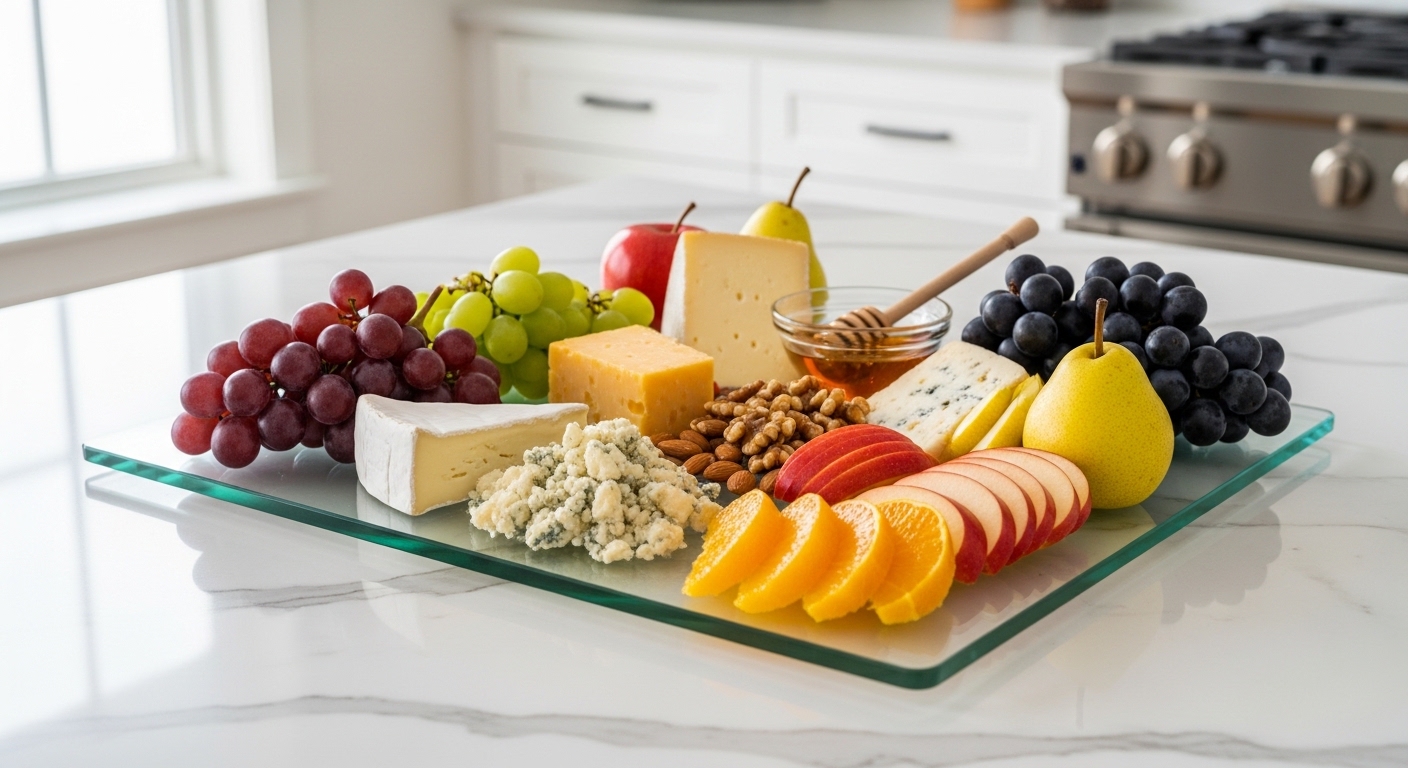
Glass boards are not useless — they are just poor cutting boards. They can work well for serving cheese, presenting appetizers, or acting as a protective surface on a counter. They simply are not the right surface for knife work.

  • Serving boards

  • Decorative presentation

  • Counter protection

  • Non-cutting uses only

Better Alternatives to Glass Cutting Boards
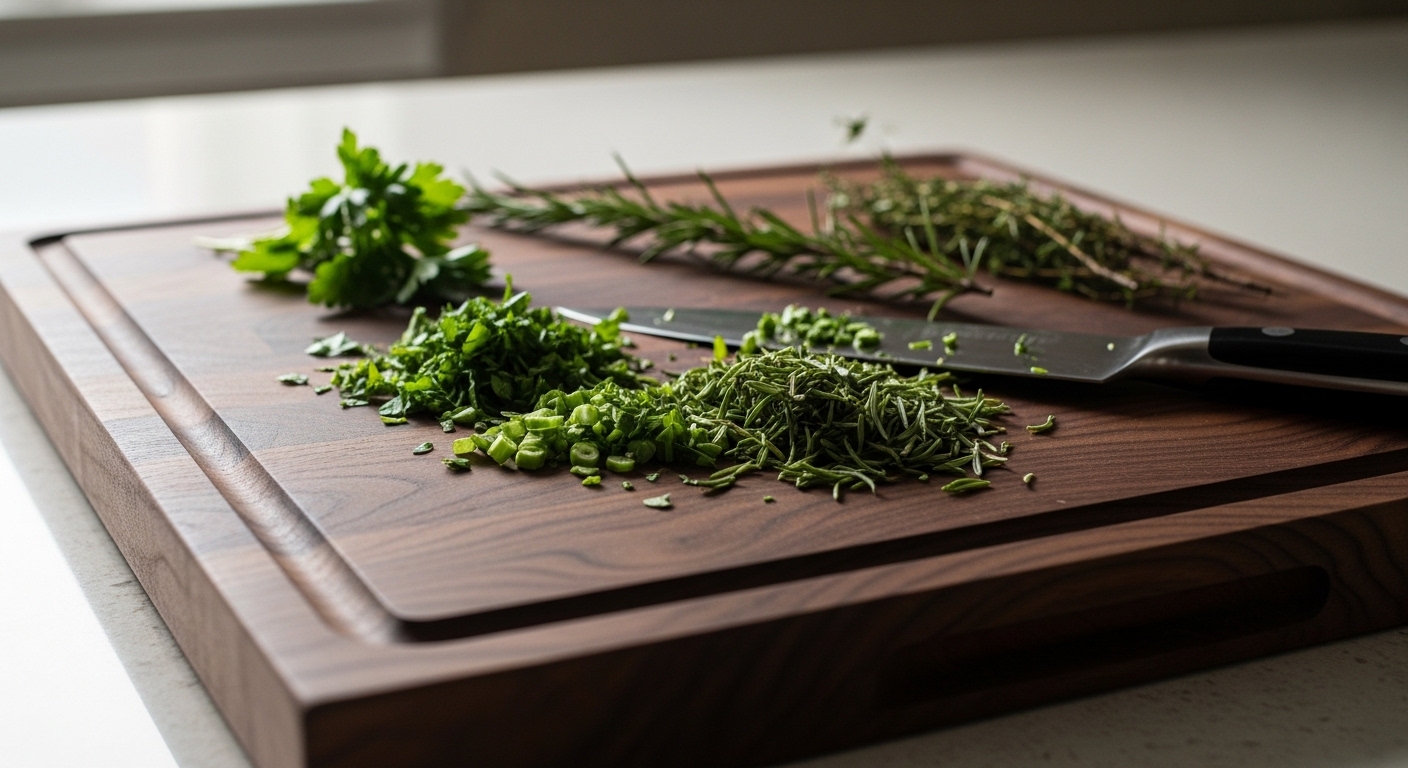
If you care about knife longevity, prep comfort, and real kitchen function, wood boards are the better choice for most home cooks. Maple, walnut, and teak all provide a more forgiving cutting surface and a better overall prep experience than glass.

Are Glass Cutting Boards Bad for Knives?
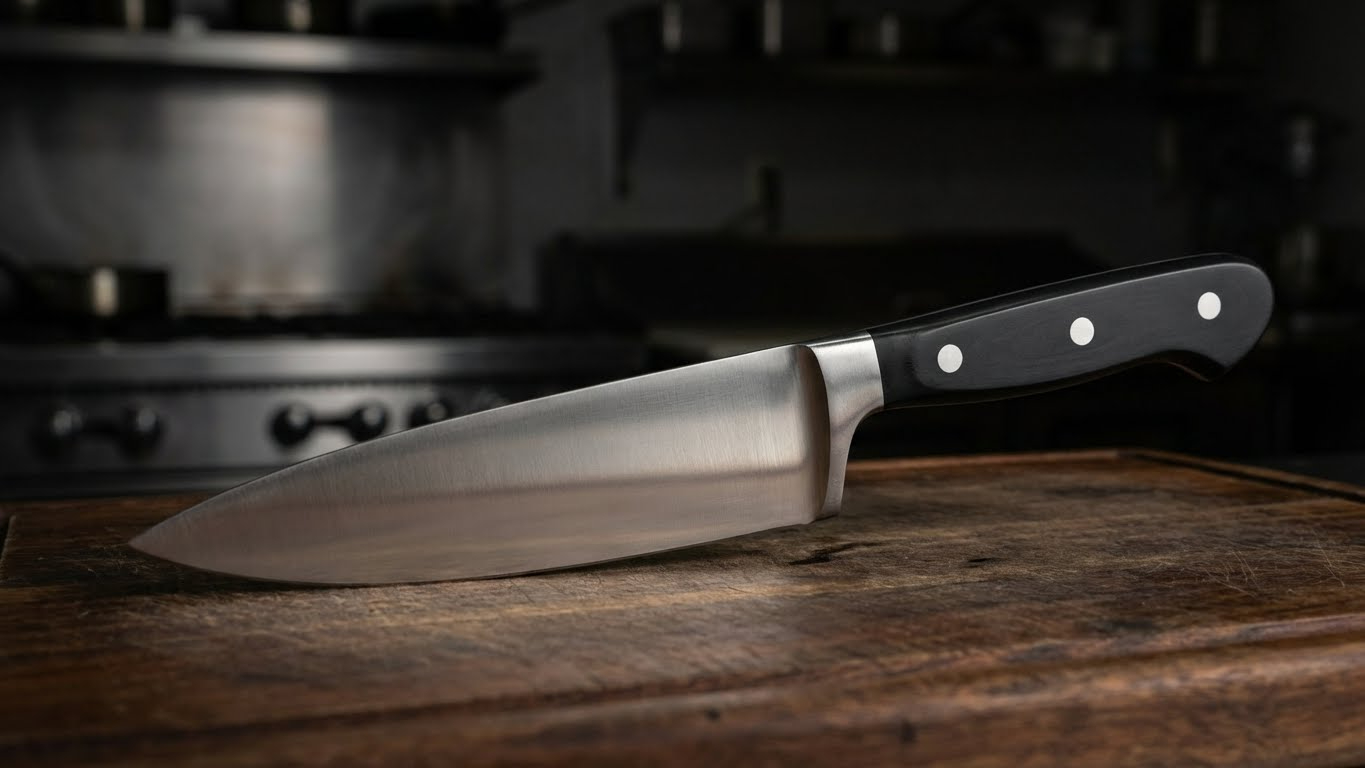
OTRECO Chef Knife Zwilling 8 chef knife chef approved

How Glass Cutting Boards Affect Sharpening
Are Glass Cutting Boards Bad for Knives?

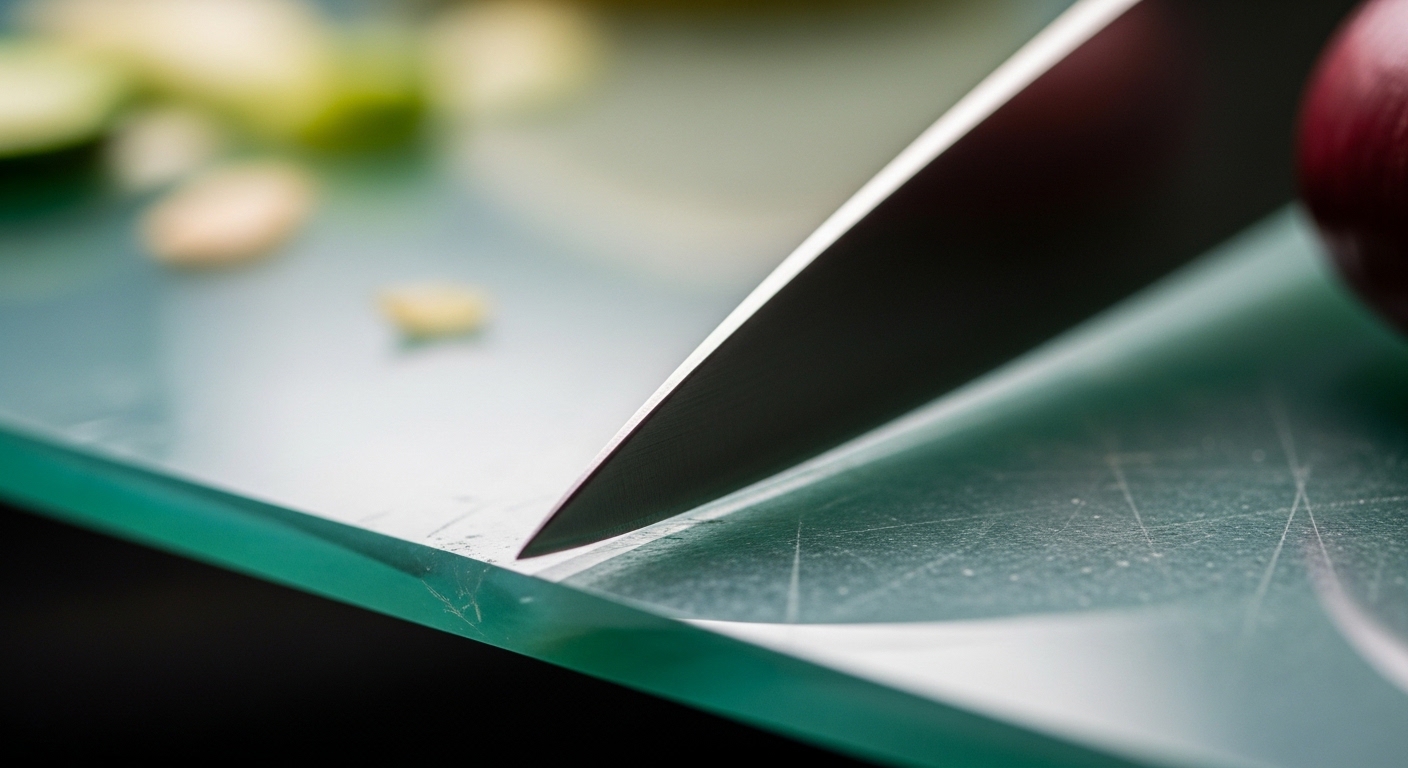
Knives used on glass need edge maintenance more often because the cutting surface wears the blade faster. That means more frequent honing, more frequent sharpening, and less time enjoying a clean working edge between tune-ups.

  • More edge wear
  • More frequent sharpening
  • Reduced cutting performance between maintenance

👉 Need help with knife sharpeners?

Bottom Line

Yes, glass cutting boards are bad for knives. They are too hard for real prep, create unnecessary edge wear, and offer none of the forgiveness that makes wood boards so much better to use. Keep glass for serving or presentation, and use a knife-friendly cutting board for actual kitchen work.

If you want a better option, see our guide to the best cutting boards for home chefs.

Glass Cutting Board FAQ

Are glass cutting boards bad for knives?

Yes. Glass is extremely hard and can dull knife edges much faster than wood or softer cutting surfaces.

Can glass cutting boards chip knives?

They can contribute to edge damage, especially on thinner or harder blades used repeatedly on the surface.

Why do people still use glass cutting boards?

Mostly because they look clean, decorative, and easy to wipe down, not because they are good for actual cutting.

Are glass cutting boards safe for food?

They can be safe for serving and presentation, but they are not ideal for everyday cutting because of the effect on knives.

What is better than a glass cutting board?

Wood cutting boards are a much better option for most home cooks because they protect knife edges and perform better during prep.

Can I use a glass cutting board as a serving board?

Yes. Glass boards are much better used for serving, presentation, or counter protection than for cutting.