

Knife Sharpening & Maintenance Guide Overview
- Why Knife Maintenance Matters
- 🔪 When to Sharpen vs When to Hone
- 🪨 Sharpening: Restoring the Edge
- 🪵 Honing: Maintaining the Edge
- ⚖️ The Simple Rule
- 🧰 Sharpening Tools We Actually Use on the Road
- How We Test Knife Sharpness on the Road
- Simple Maintenance Habits That Extend Blade Life
- Common Sharpening Mistakes to Avoid
- Final Take
- Knife Sharpening & Maintenance — FAQ

Why Knife Maintenance Matters
Safety, performance, and blade longevity explained simply.
A dull knife doesn’t just slow you down — it makes prep harder, messier, and more dangerous.
Proper maintenance:
✔ Improves cutting accuracy and control
✔ Reduces hand and wrist fatigue
✔ Makes prep faster and more consistent
✔ Extends the life of your knife
A well-maintained mid-priced knife will outperform an expensive blade that’s neglected. “If a knife can’t hold an edge through real-world use, it doesn’t stay in our rotation. See our full Knife Reviews for blades we’ve tested on the road.”
Storage and transport also play a role in edge longevity, which is why we pair sharpening routines with proper storage solutions covered in our Knife Storage & Travel Guide.
🔪 When to Sharpen vs When to Hone
We dive deeper into how different knife steels respond to sharpening and honing in our individual Knife Reviews, where edge retention and maintenance requirements vary widely.
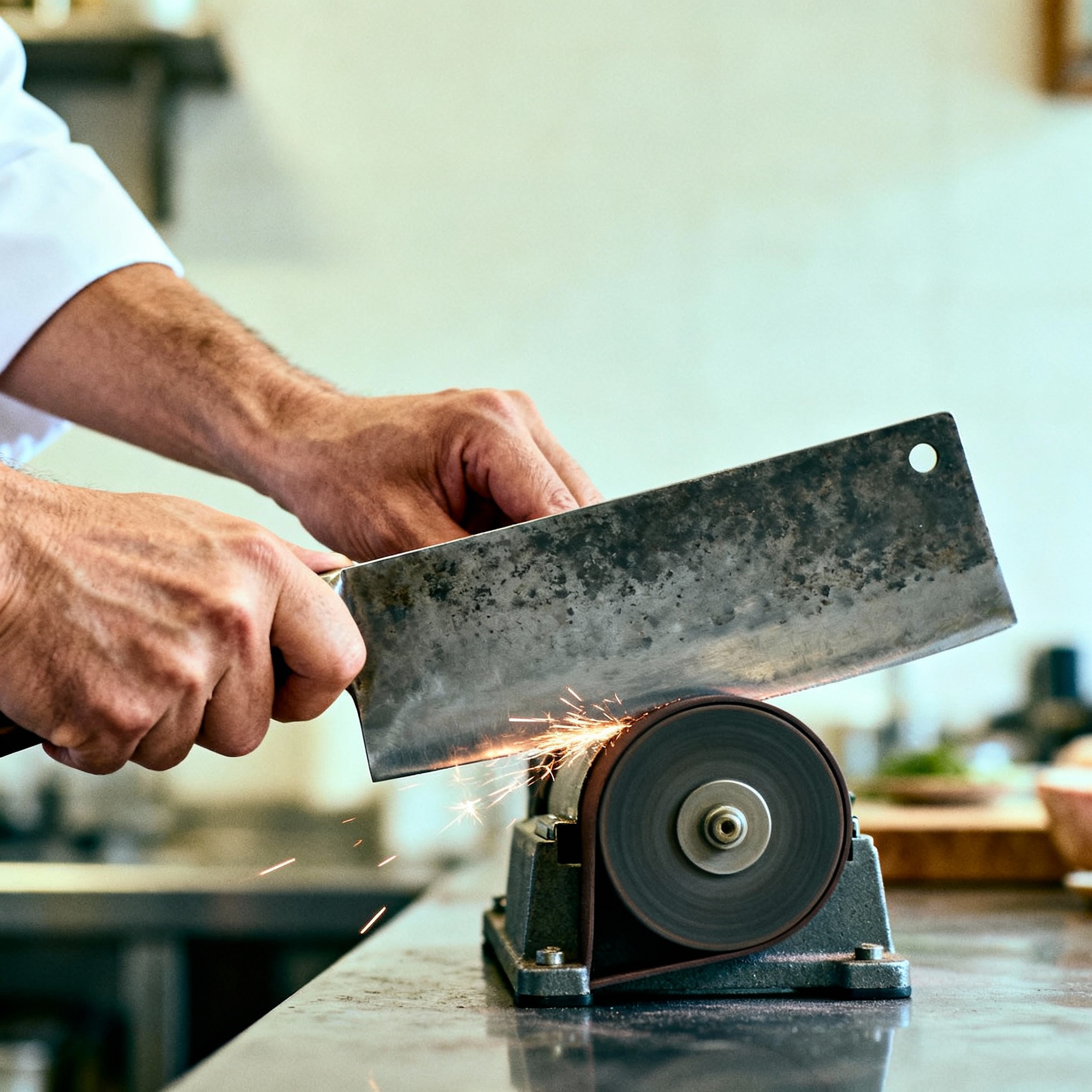
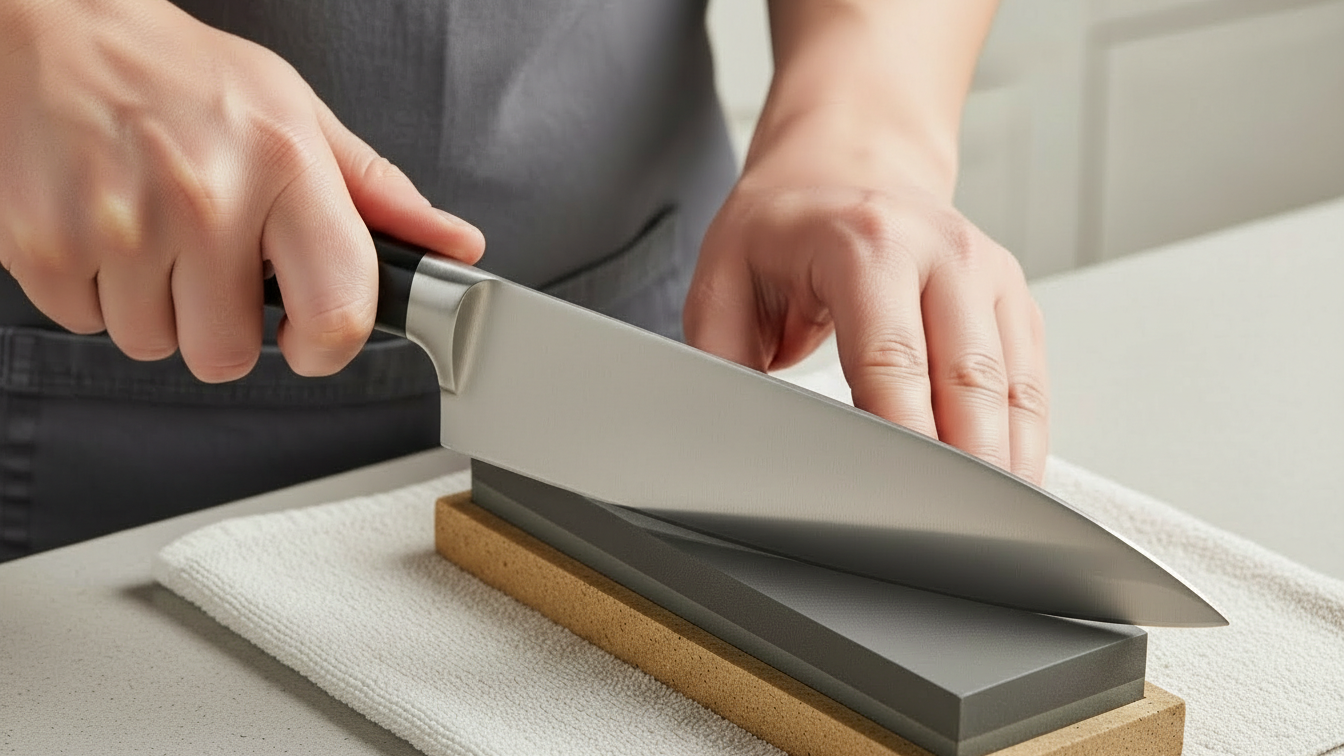
Sharpening is typically done using whetstones, guided sharpening systems, or electric sharpeners, depending on your skill level and the knife you’re working with.
🪨 Sharpening: Restoring the Edge
Sharpening removes a small amount of steel to create a new edge. This is what you do when a knife feels dull, slips on food, or won’t hold an edge even after honing.
You should sharpen your knife when:
-
The blade struggles to cut cleanly through food
-
Honing no longer improves performance
-
The edge feels rounded or uneven
-
The knife has gone weeks or months without real edge work
🪵 Honing: Maintaining the Edge
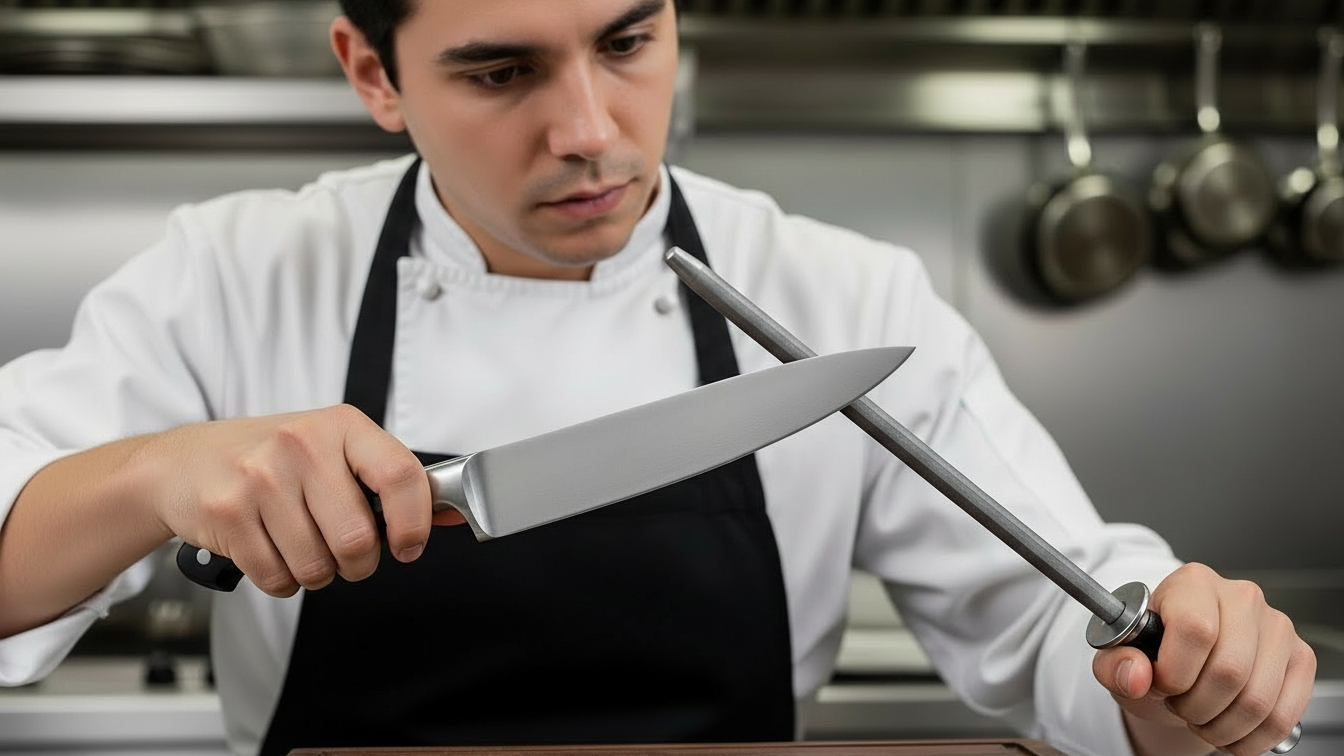
Honing doesn’t remove much metal. Instead, it realigns the edge that has folded over during normal use. Think of honing as daily or weekly maintenance, not a fix for a dull knife.
You should hone your knife when:
-
The knife still cuts but feels slightly less precise
-
You want to maintain sharpness between sharpening sessions
-
You’re doing regular prep and want consistent performance
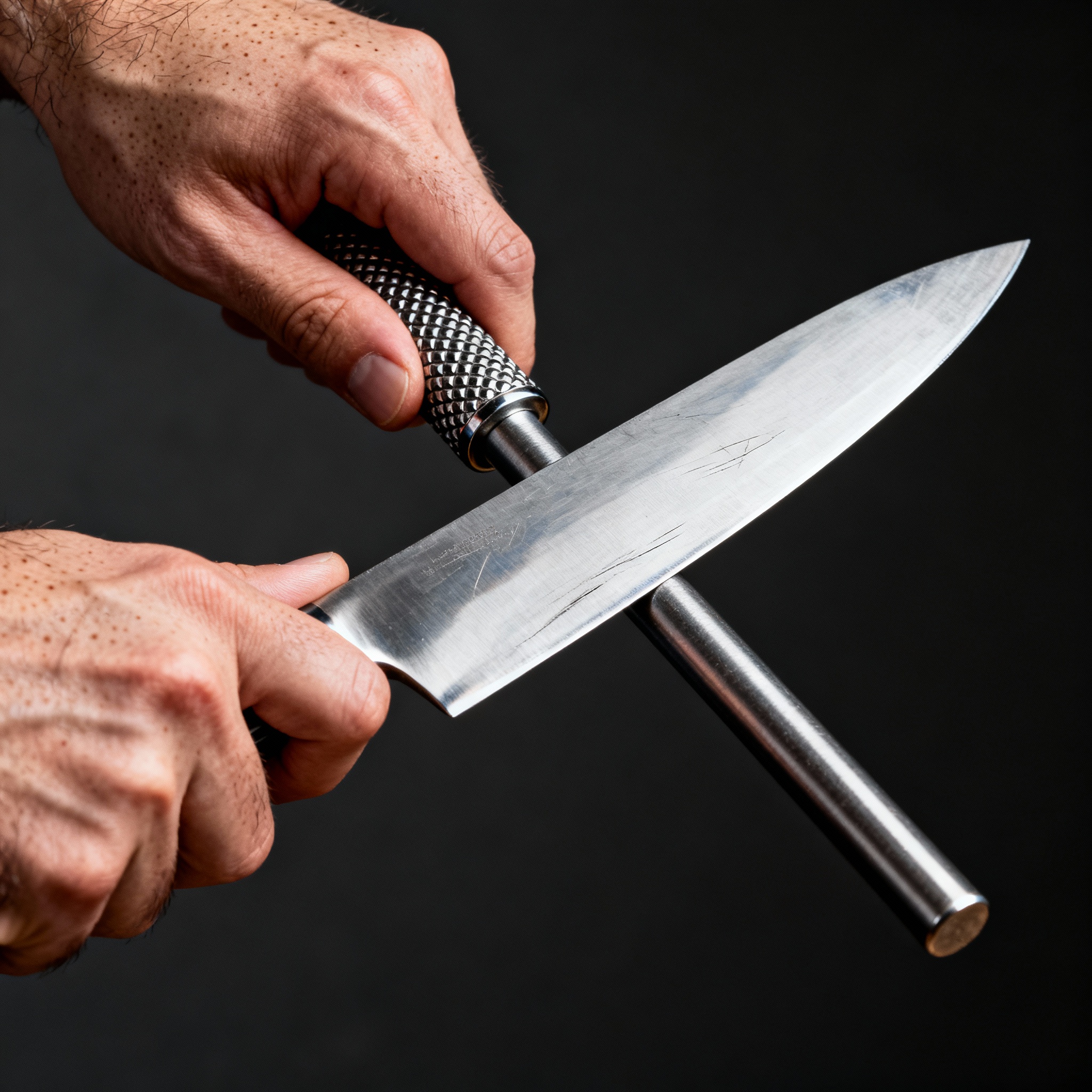
Honing rods, ceramic rods, and strops are all designed to extend the life of a sharpened edge, not replace sharpening.
⚖️ The Simple Rule
If honing brings your edge back → you don’t need to sharpen yet.
If honing does nothing → it’s time to sharpen.
Mastering this balance keeps your knives sharper longer, saves steel, and reduces how often you need full sharpening sessions.
🧠 Pro Tip from the Road
Most home cooks over-sharpen and under-hone. A few light honing passes during the week can delay sharpening for months — especially if your knives are cleaned, dried, and stored properly.
As we continue testing, individual sharpeners and systems will be broken out into full reviews and comparison guides within our Gear Guides section.
Whetstones give the most control and the cleanest edge when used correctly. They’re slower, but they’re also the most versatile — especially across different steels.
We reach for stones when:
-
A knife needs full edge restoration
-
We’re working with higher-end or thinner blades
-
Precision matters more than speed
Best for cooks who want to learn the craft, not just fix a dull knife.
Guided systems lock in the angle, removing most of the guesswork. They’re excellent for repeatable results and are easier to use consistently than freehand stones.
We use guided systems when:
-
Testing multiple knives back-to-back
-
Working with harder steels
-
Consistency matters more than speed
A solid option for home cooks who want reliable results without a long learning curve.
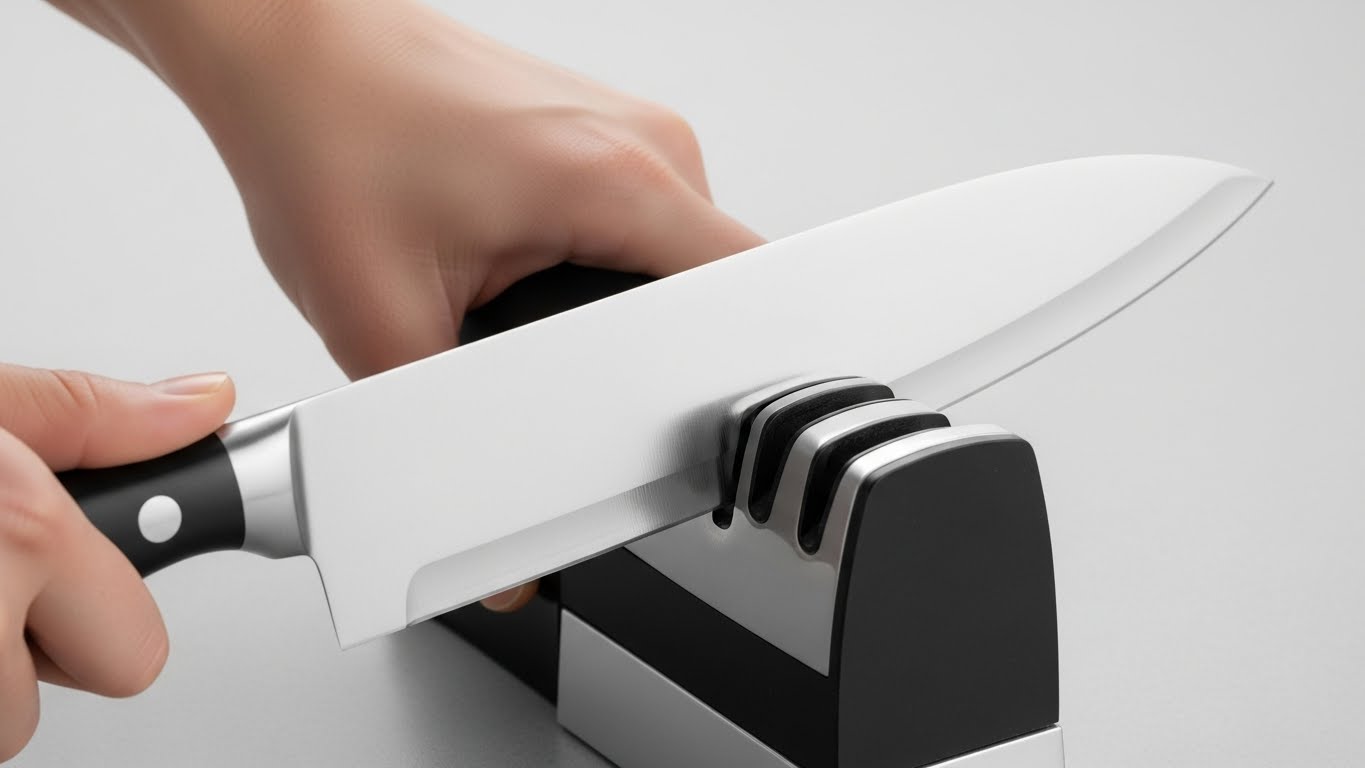
Electric sharpeners are quick and convenient, but they remove more steel than other methods. Used carefully, they can be effective — used carelessly, they shorten blade life.
We use electric sharpeners when:
-
Speed matters
-
Knives are workhorses, not collectibles
-
The blade profile can handle aggressive sharpening
They’re not ideal for thin or high-end knives, but they have a place.
These tools don’t replace sharpening — they extend it.
We rely on honing tools to:
-
Maintain edges between sharpening sessions
-
Keep knives performing consistently
-
Reduce how often full sharpening is needed
A few light passes can make a noticeable difference when done regularly.
🔥 Our Rule for Sharpening Gear
No single sharpener does everything well. The right tool depends on:
The knife
The steel
How often it’s used
Where it’s used
That’s why we test sharpening tools the same way we test knives — in real conditions, over time.
How We Test Knife Sharpness on the Road
Many of the knives used during sharpening tests are the same blades featured in our Knife Reviews, allowing us to compare edge recovery, retention, and steel behavior across different sharpening methods. Check out our latest cutting board review.
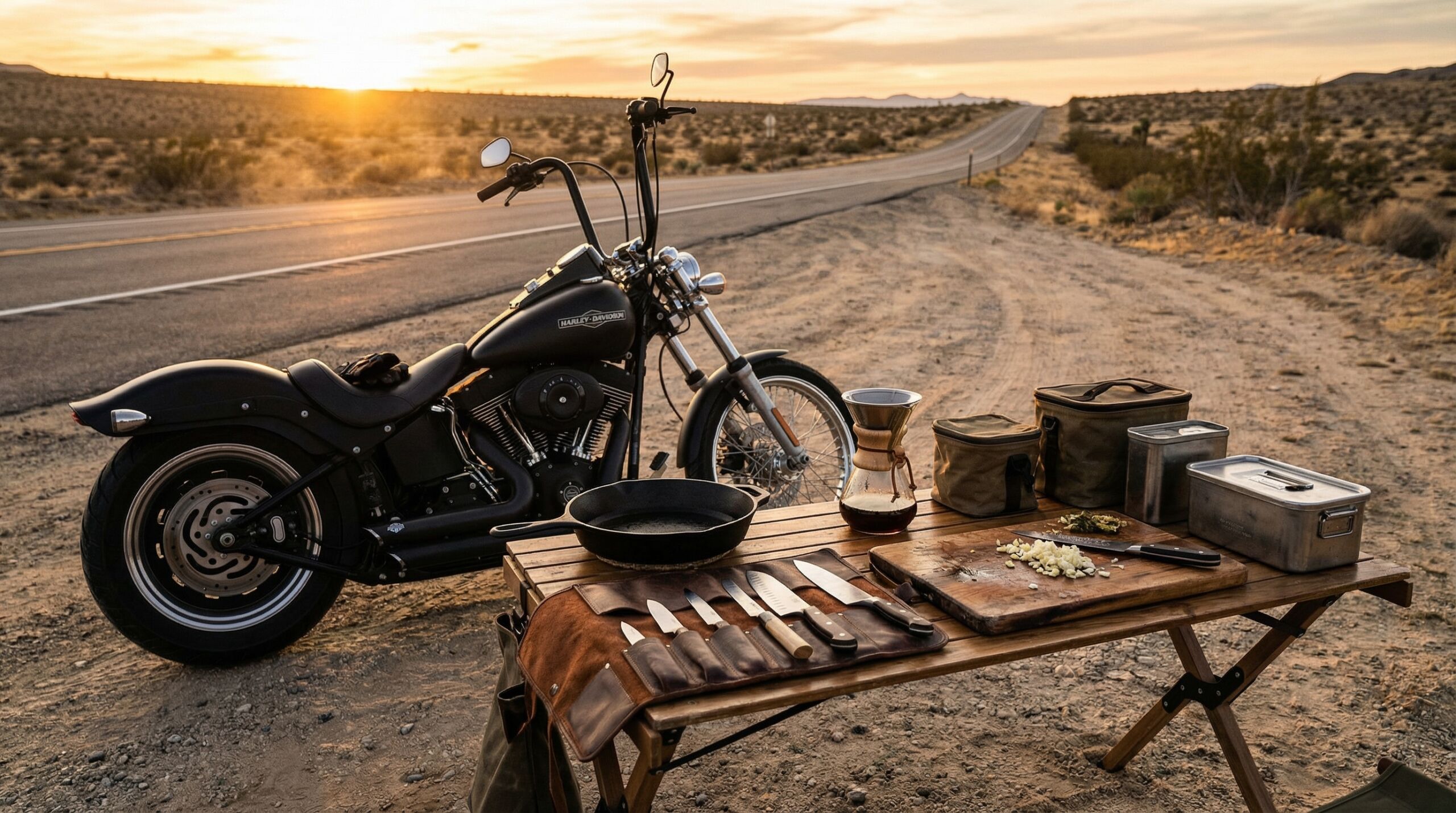
Fire Tested
- Used during home kitchen, backyard, outdoor and live-fire cooks
-
Exposed to heat, moisture, and frequent chopping, slicing, and cleaning
Road Proven
-
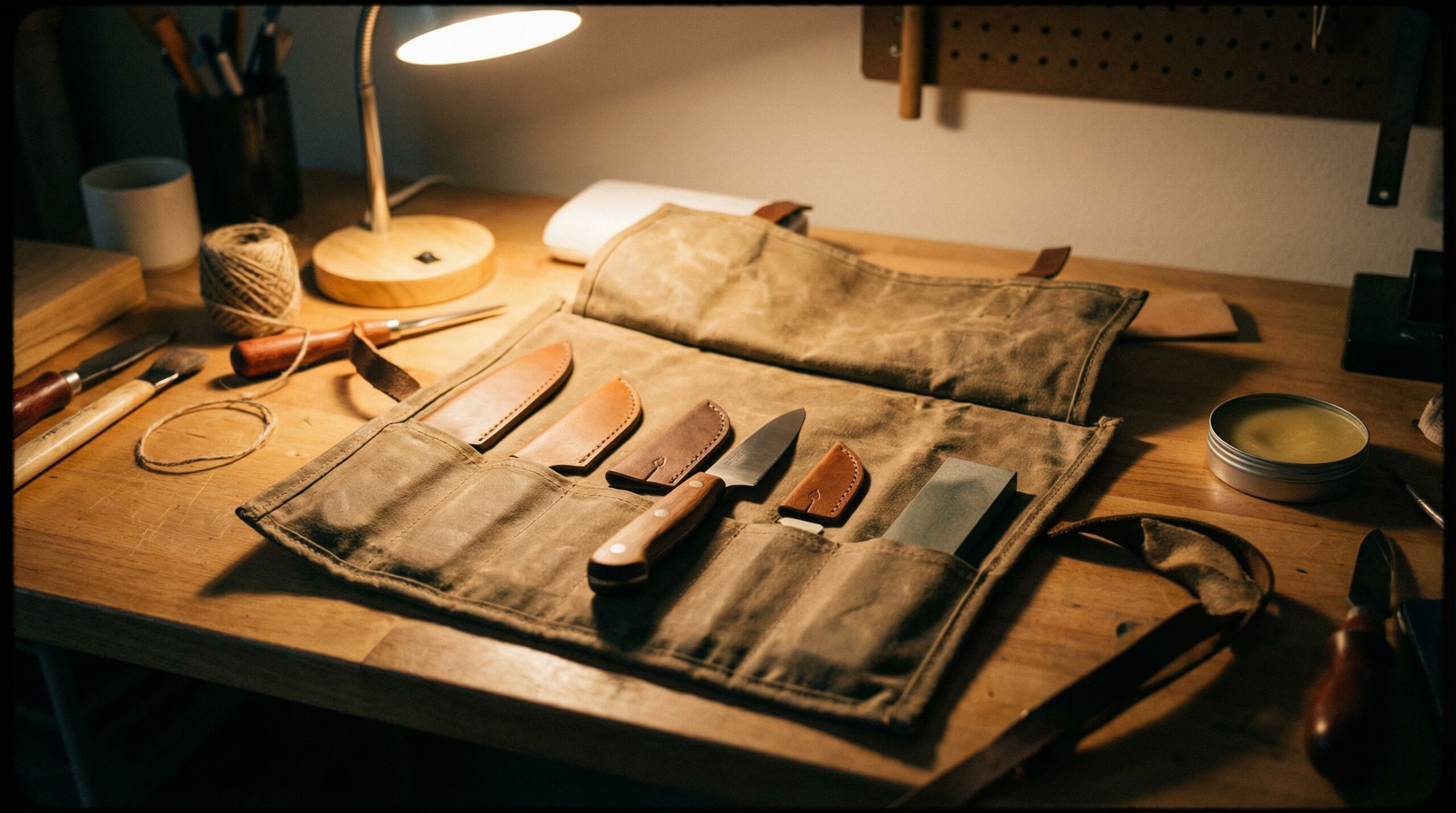
Packed in knife blocks, at home and and transported repeatedly in roll kits
-
Used in home, temporary and mobile kitchen setups
- See our full Knife Storage & Travel Guide
Kitchen Approved
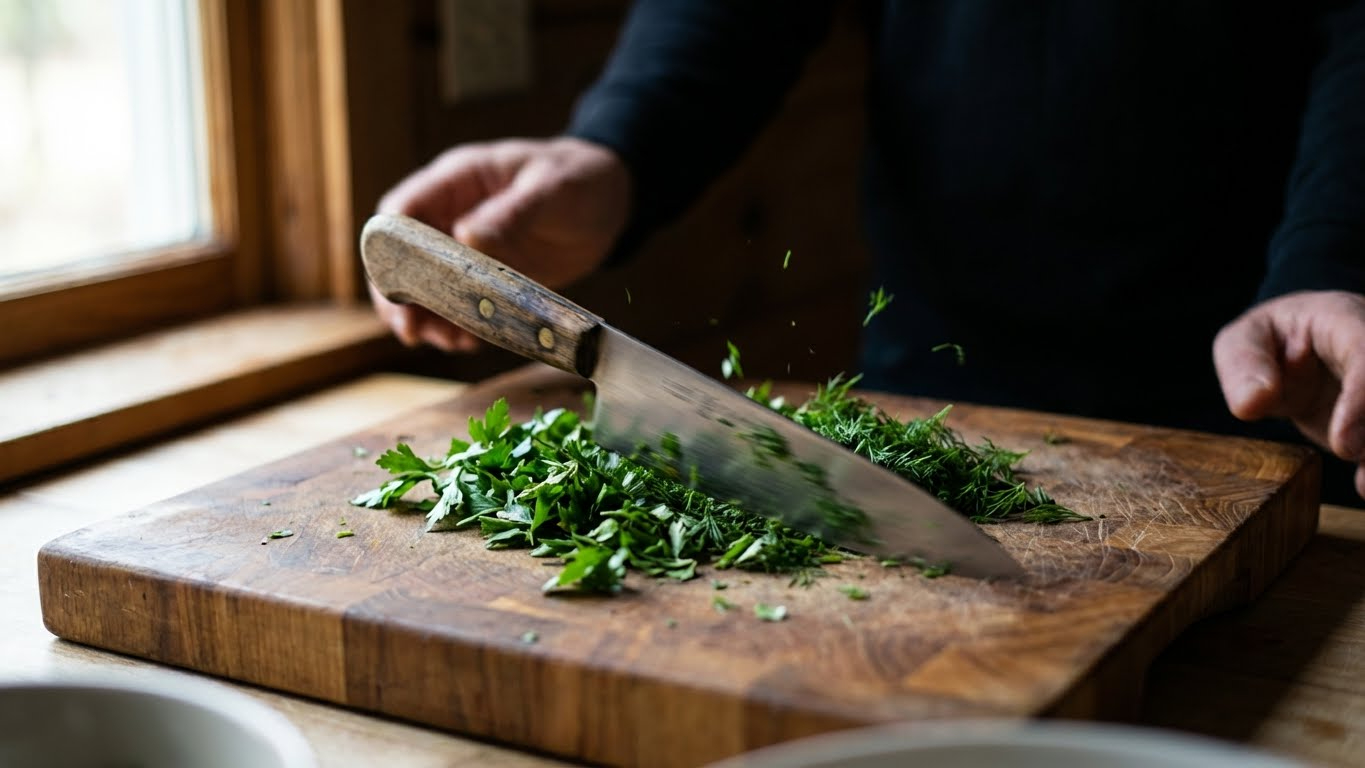
- Daily prep sessions
- Long cutting runs where comfort and edge retention matter the most
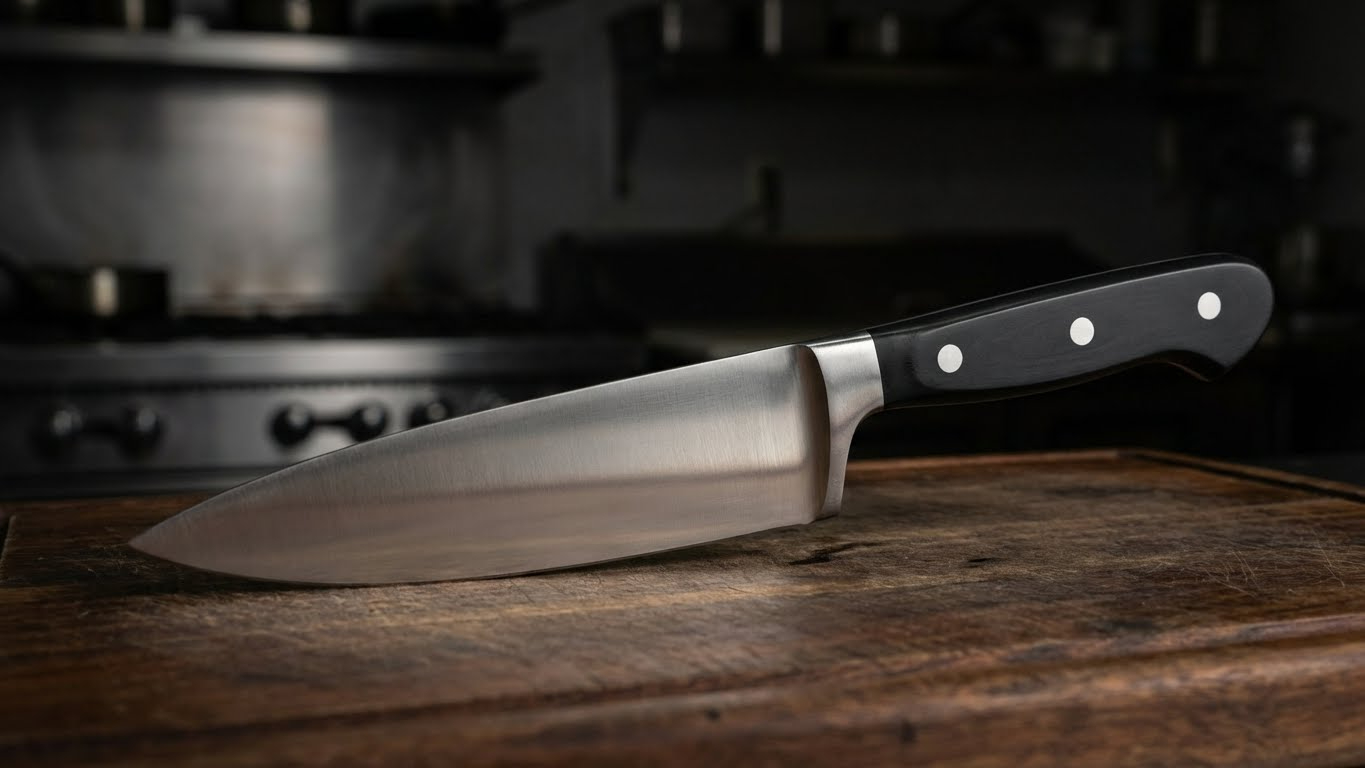
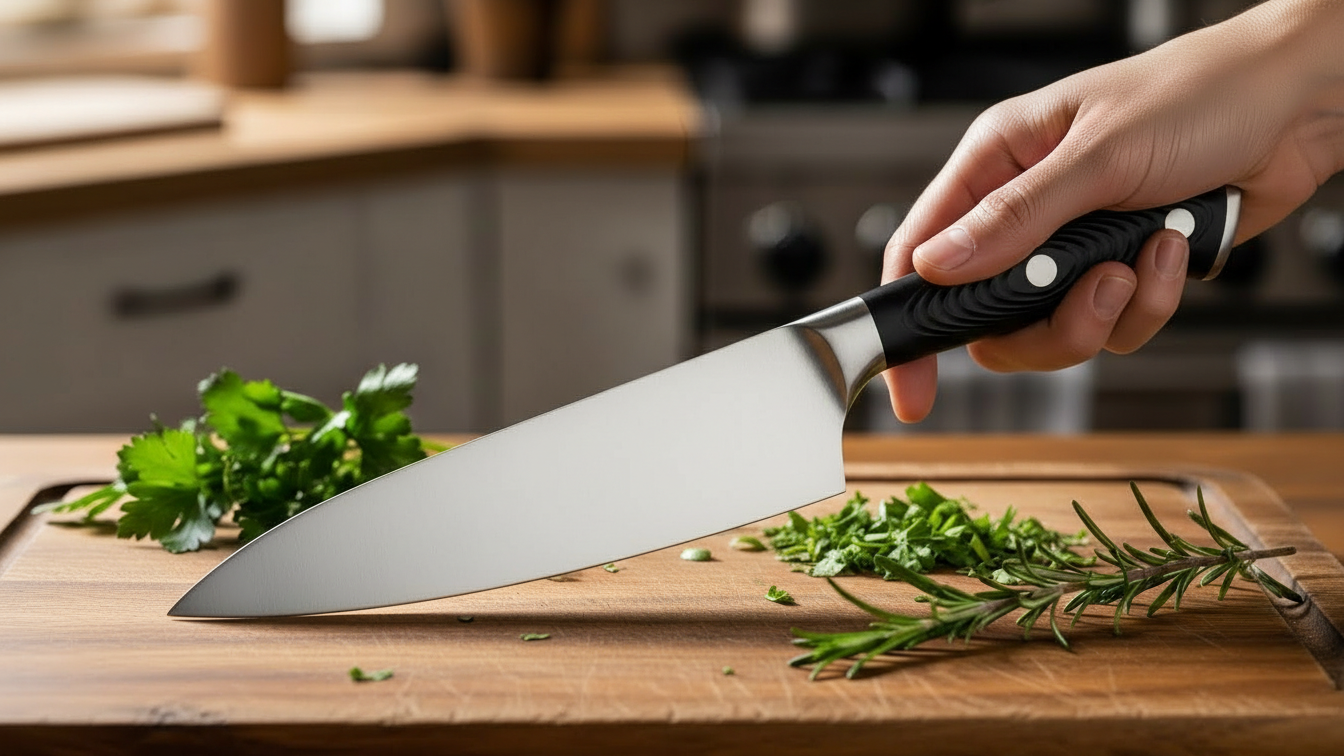
“If a knife can’t hold an edge through real-world use, it doesn’t stay in our rotation. See our full Knife Reviews for blades we’ve tested on the road.”
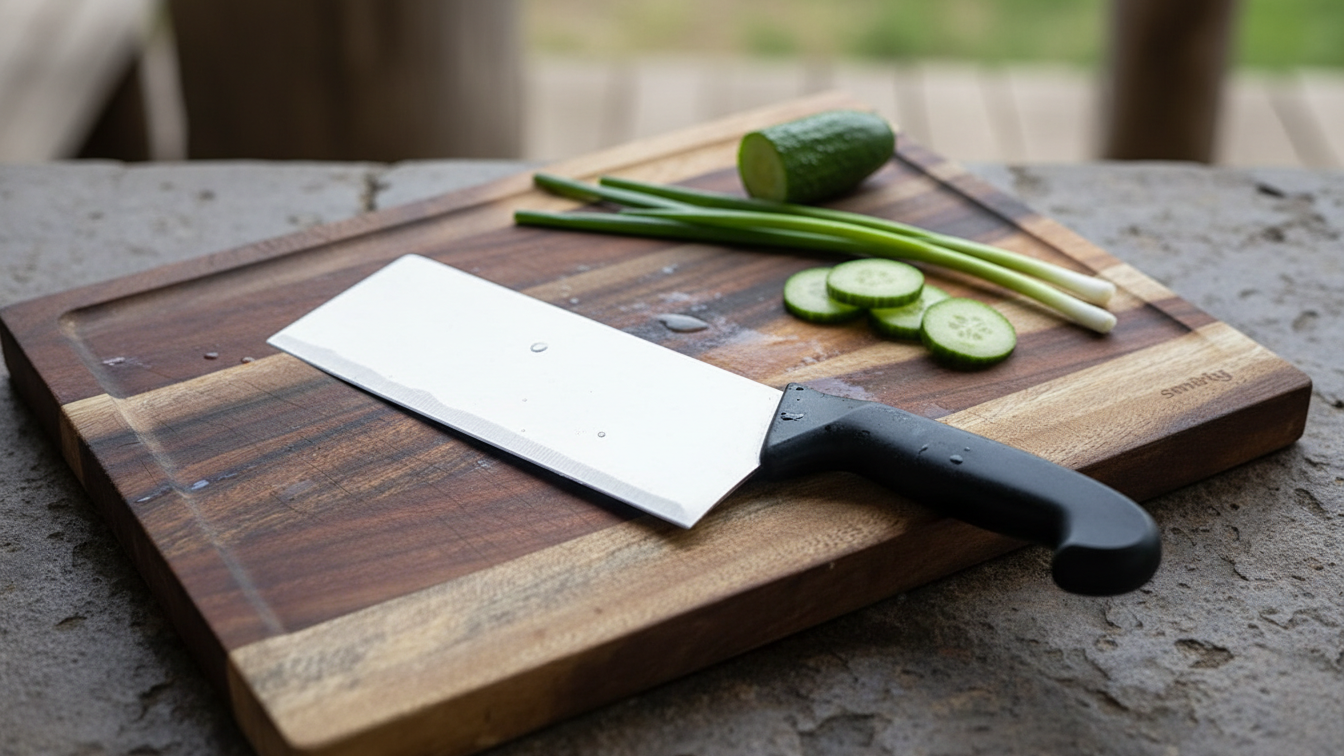
Simple Maintenance Habits That Extend Blade Life
✔ Hone lightly and often
✔ Wash and dry immediately after use
✔ Store properly (sheath, roll, or magnetic strip)
✔ Avoid glass, marble, or stone cutting surfaces
✔ Sharpen only when honing no longer helps
These habits matter more than brand names.
Common Sharpening Mistakes to Avoid
✔ Over-sharpening too frequently
✔ Using aggressive pull-through sharpeners daily
✔ Ignoring edge angle consistency
✔ Letting knives bang around unprotected
Most edge damage comes from storage and misuse — not cutting food.
Final Take
Knife maintenance doesn’t need to be complicated — it needs to be consistent. Improper storage is one of the fastest ways to undo good sharpening, which is why we cover blade guards, rolls, and travel solutions in detail in our Knife Storage & Travel Guide.
A few smart habits, the right tool for the job, and realistic expectations will keep your knives sharp, safe, and reliable whether you’re cooking at home or on the road.
If a blade can’t stay sharp under real use, it doesn’t belong in the kit.